Urban regeneration. The project, the law, an international vision

Urban regeneration. The project, the law, an international vision

Conference
May 15th, 2024 / Province of Pesaro Urbino / PESARO
Read the program

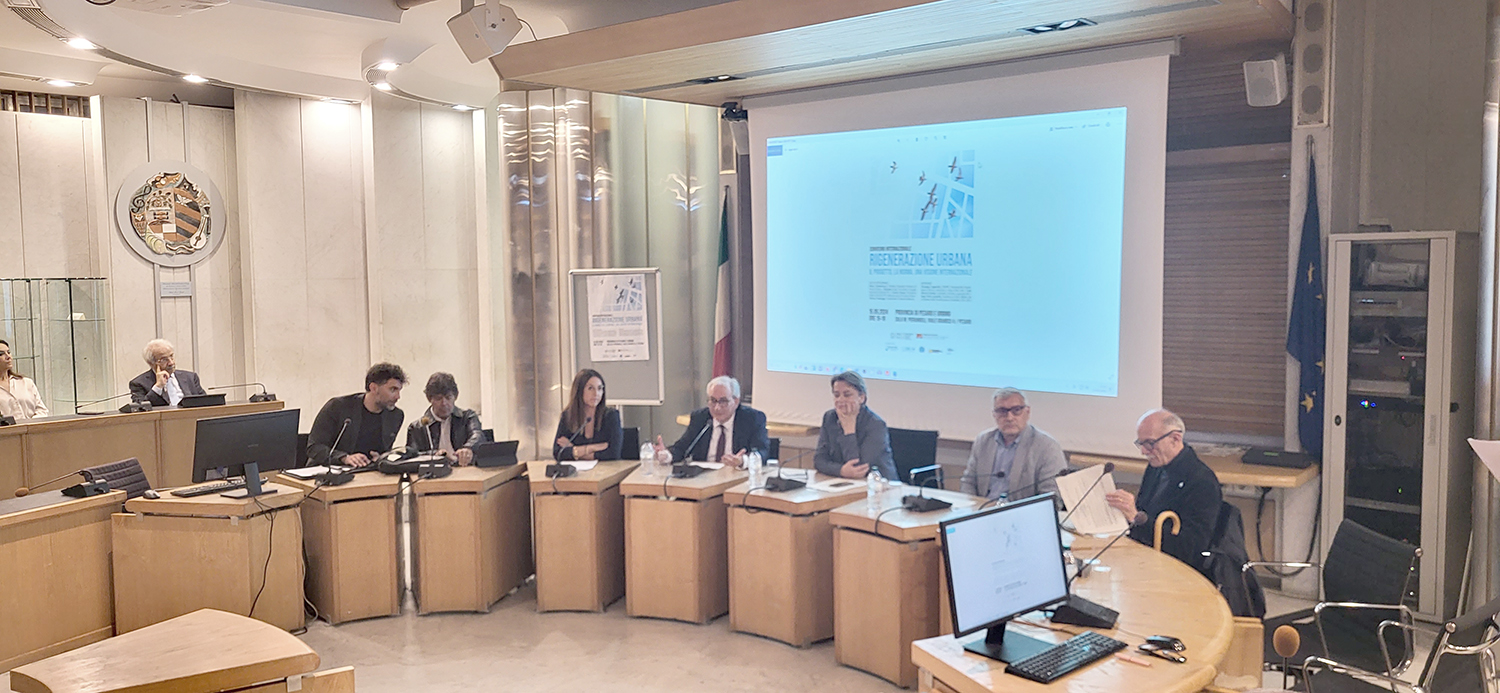
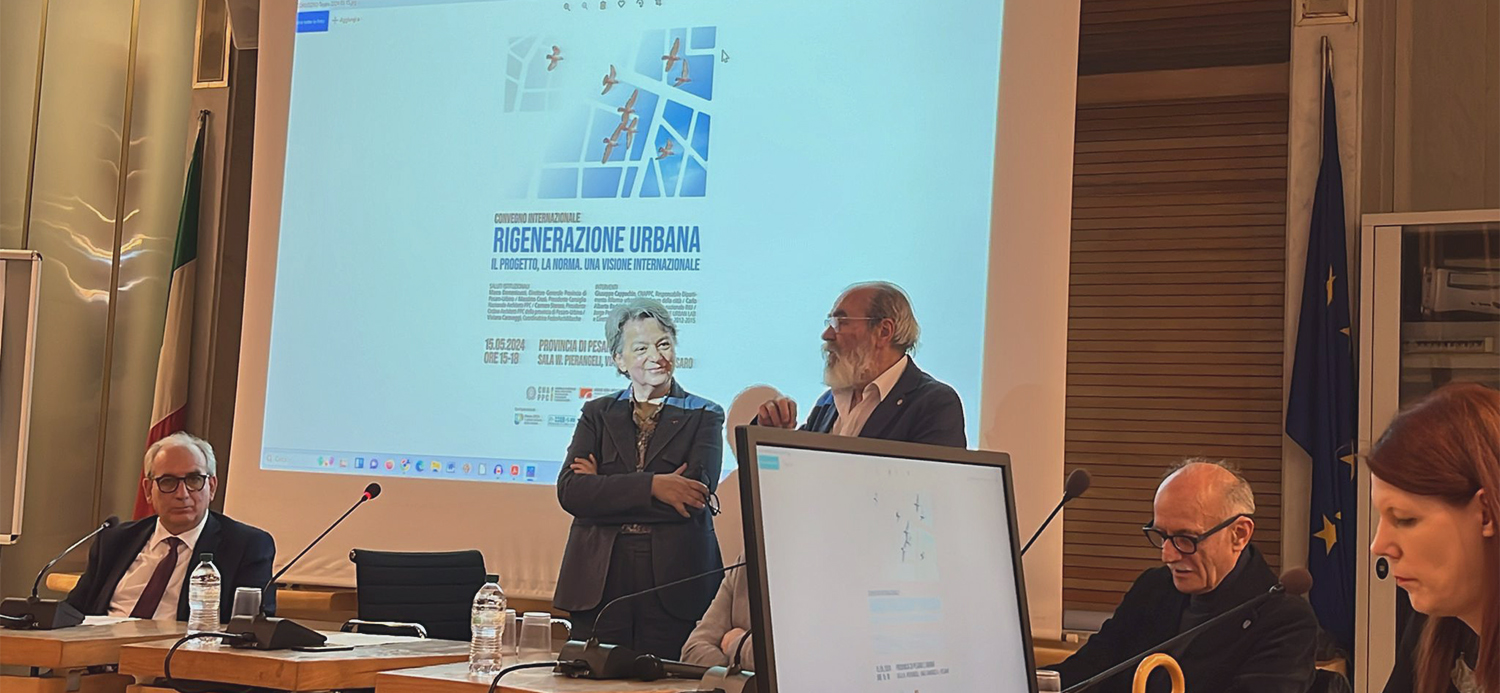
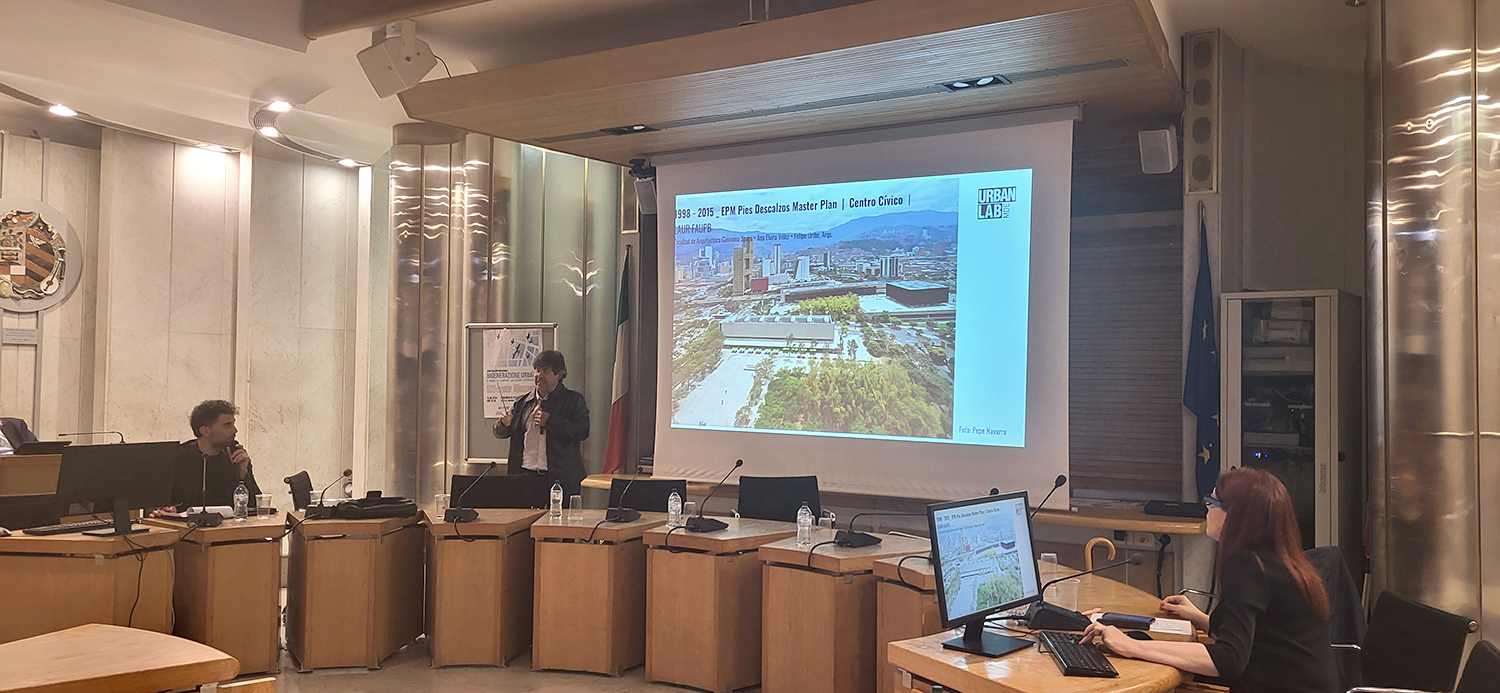
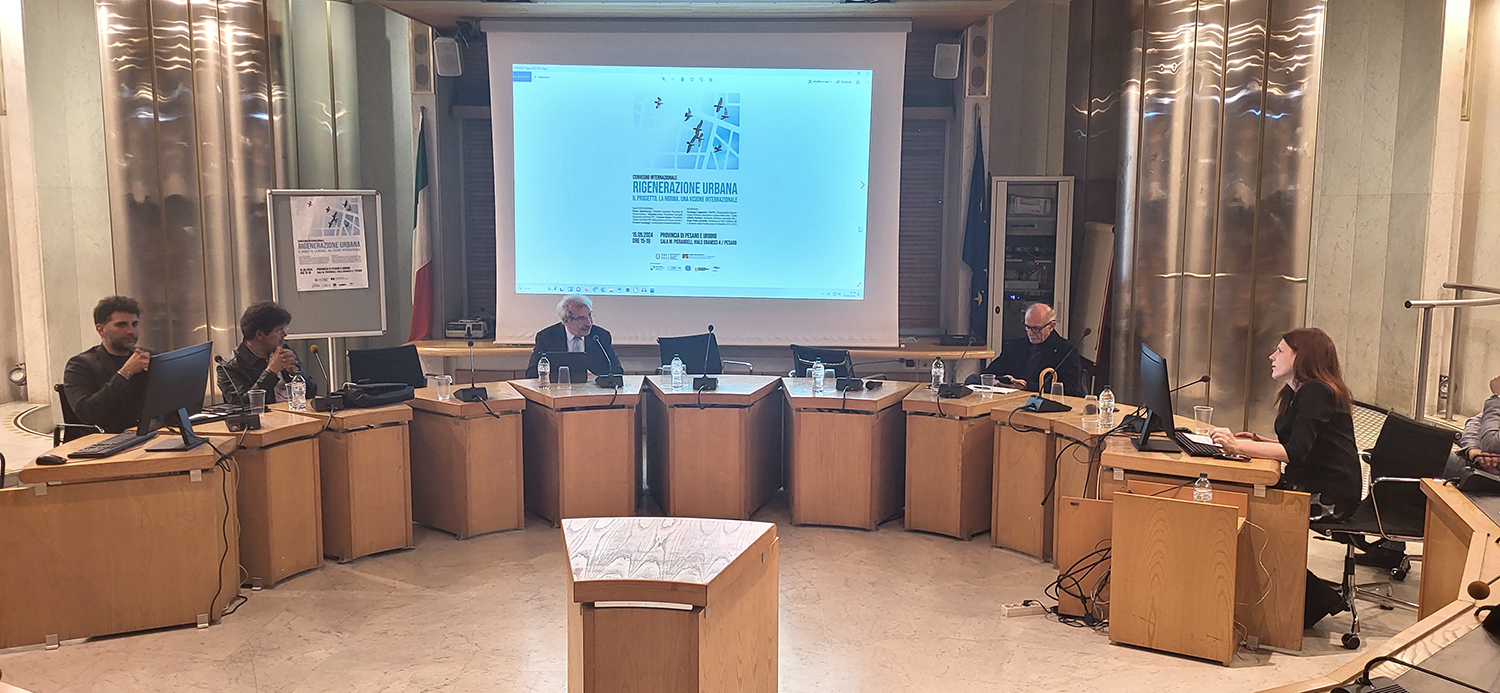
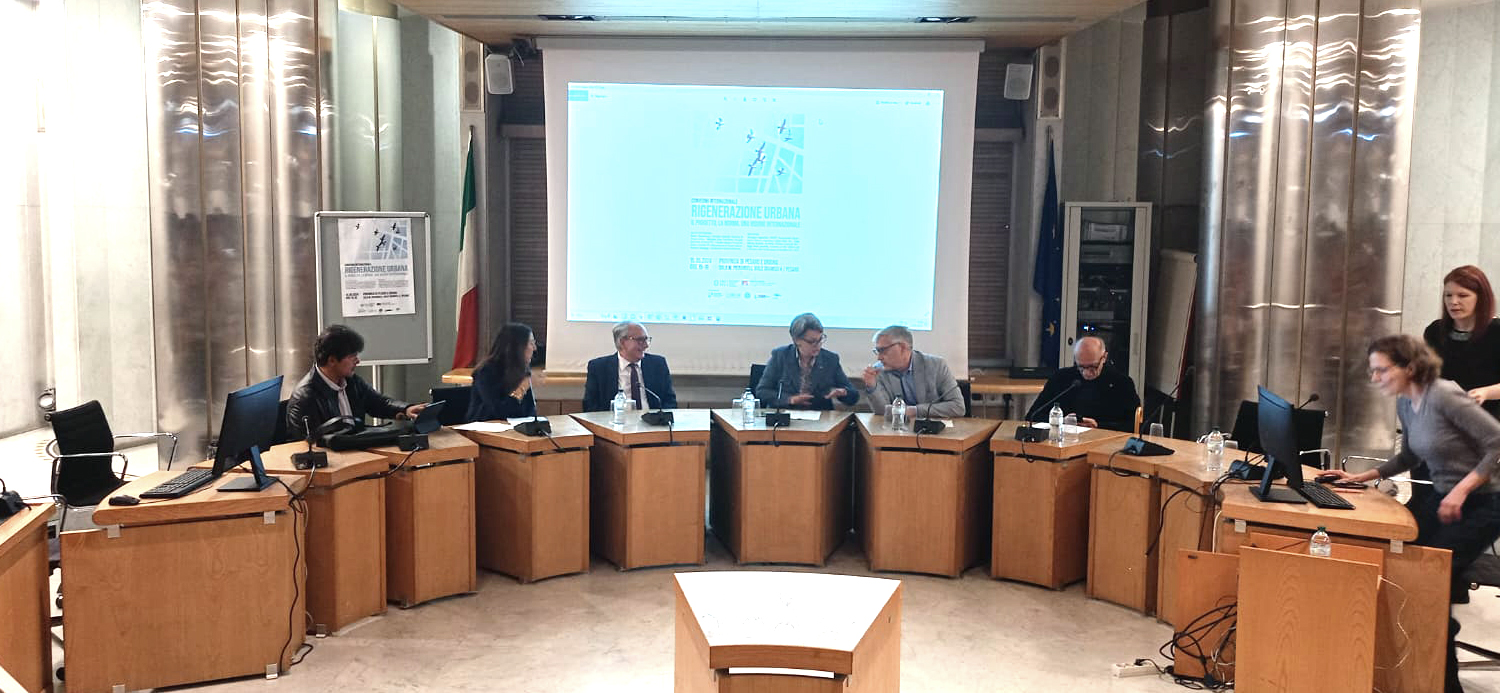
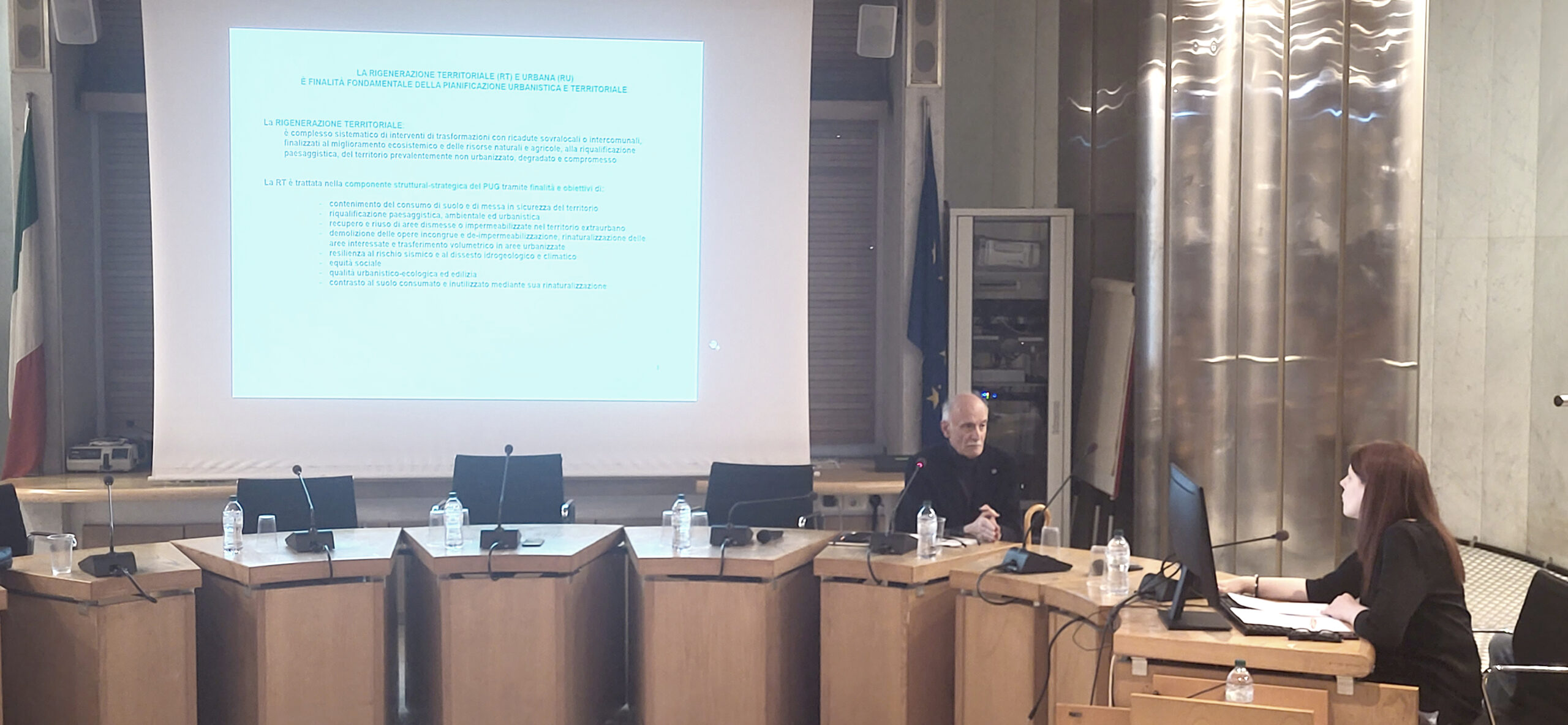
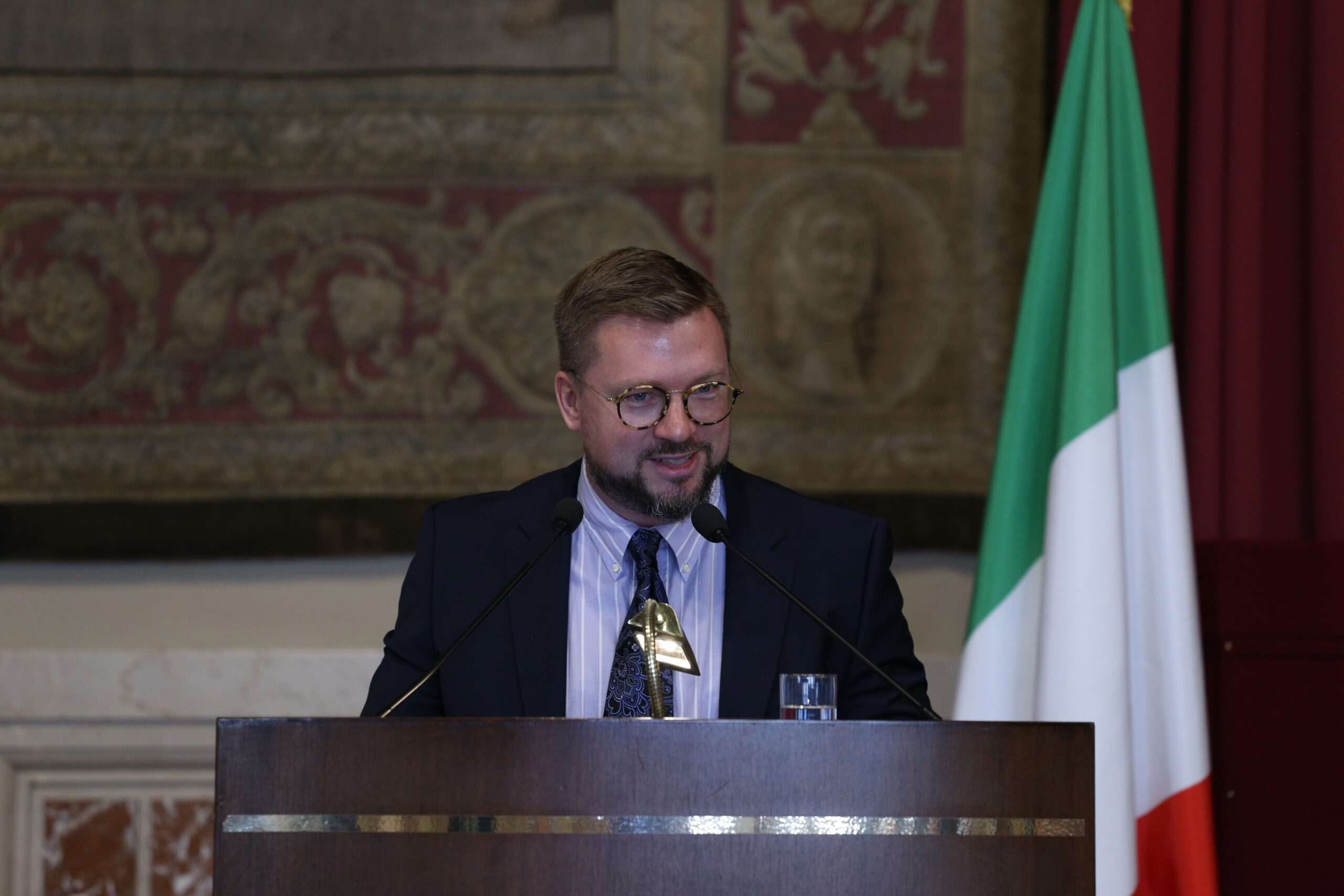
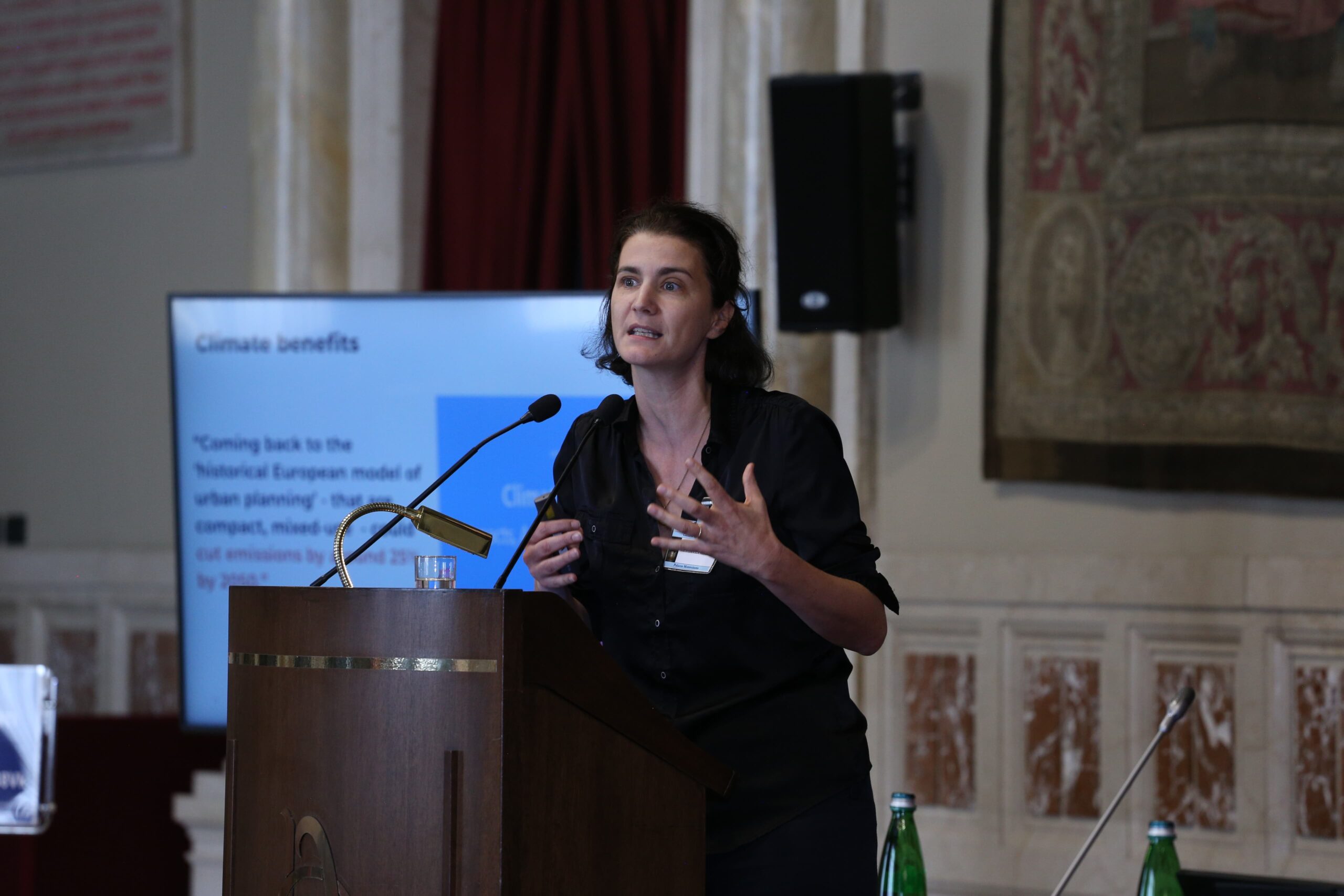
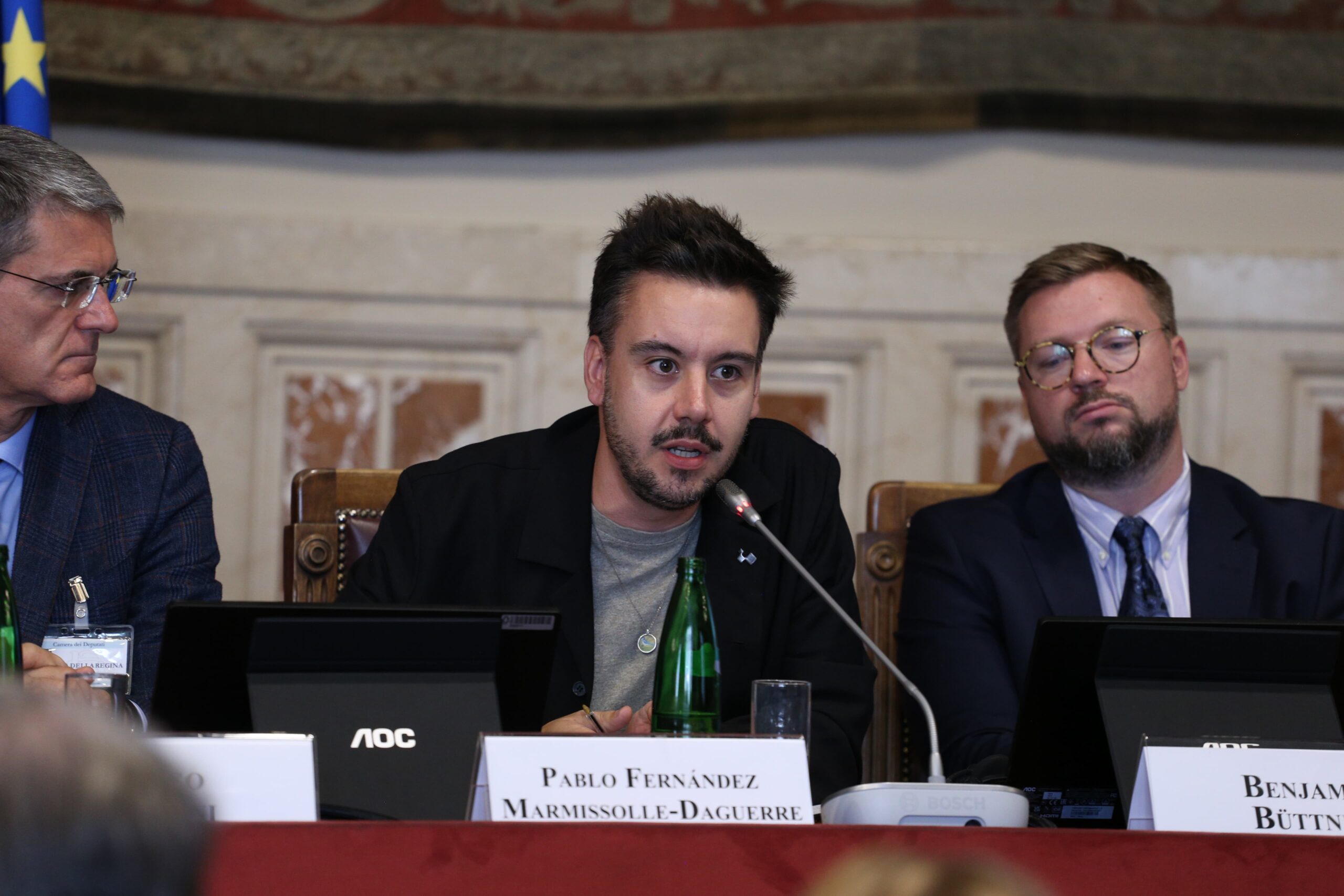
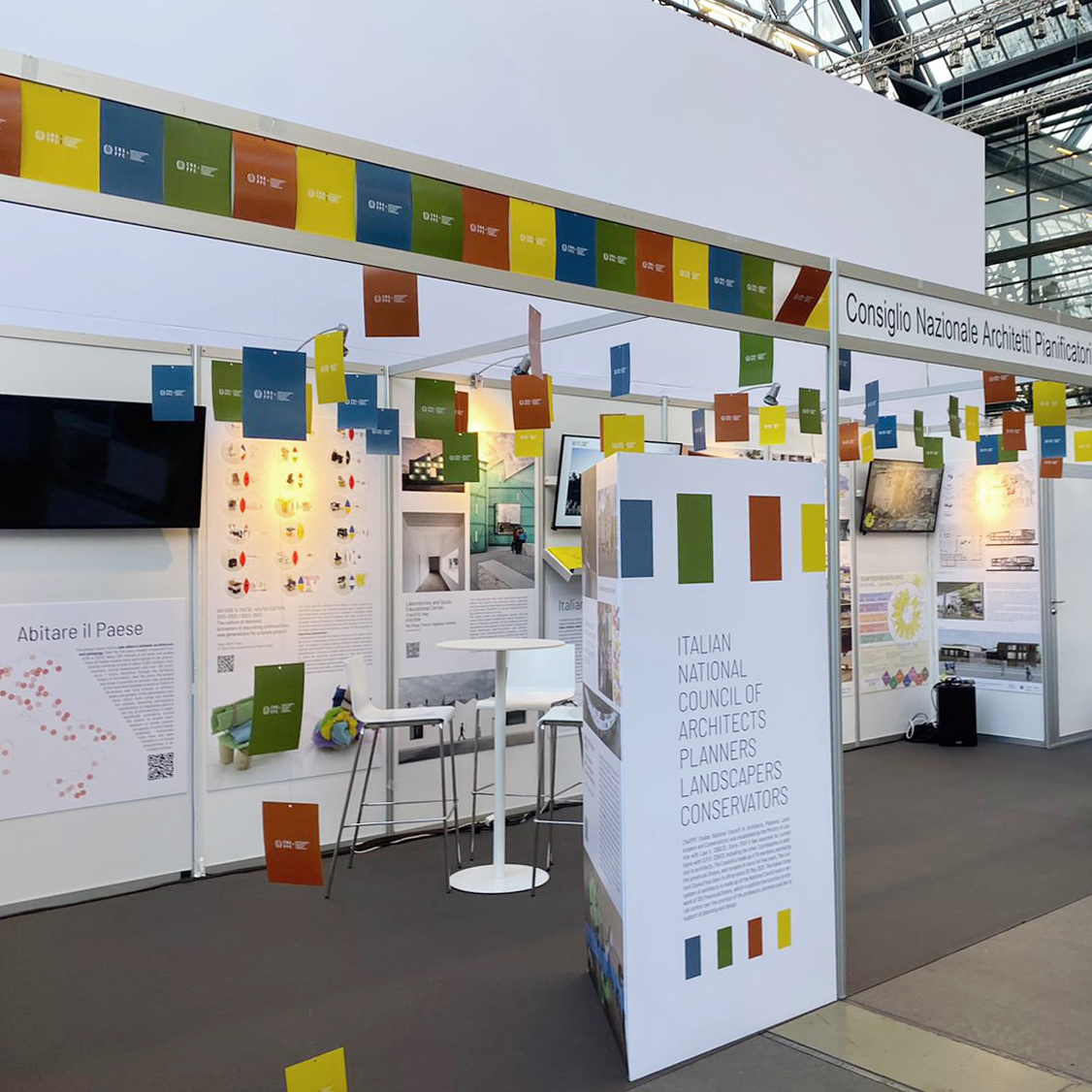
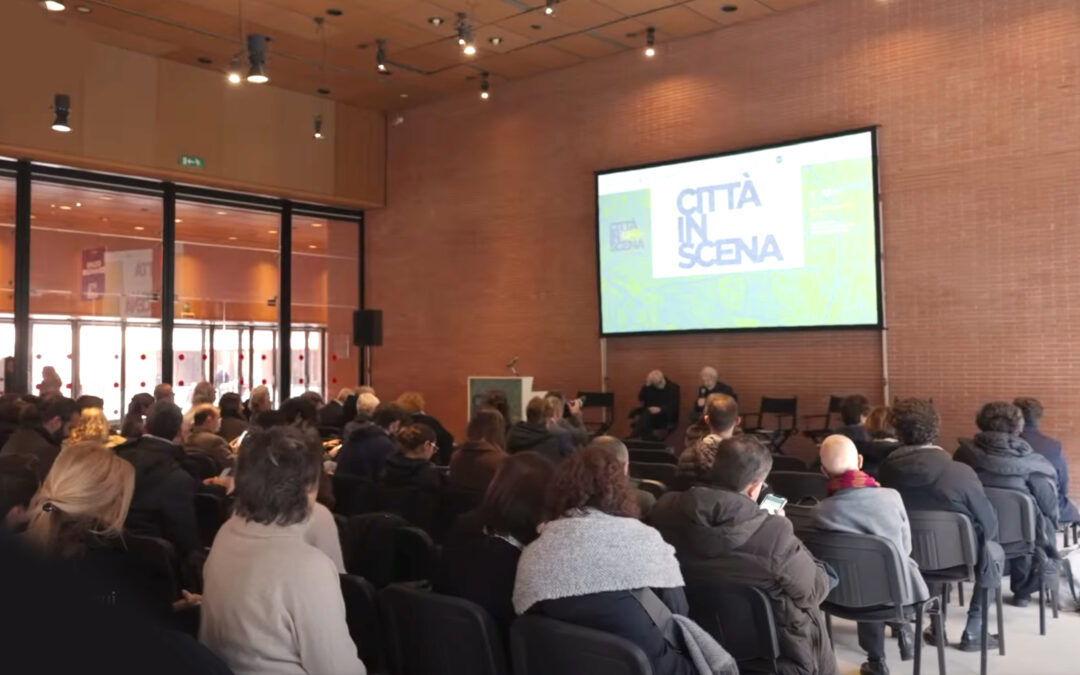
On May 15th 2024, in Pesaro, the case of Medellín was discussed: the city of Medellín transformed its image from the world capital of drug trafficking to a benchmark in urban innovation. Following the elimination of Pablo Escobar and the dismantling of the drug cartel, Medellín was named “Most Innovative City in the World” in 2013, thanks to its integrated public transportation system and investments in environmental and cultural initiatives. During the “Urban Regeneration” conference, architect Jorge Pérez-Jaramillo shared his experience in urban planning in Medellín between 2012 and 2015, highlighting key projects such as Parque del Río and the Unidades de Vida Articulada (UVA). These initiatives helped rehabilitate dangerous areas and promoted social cohesion across the city.

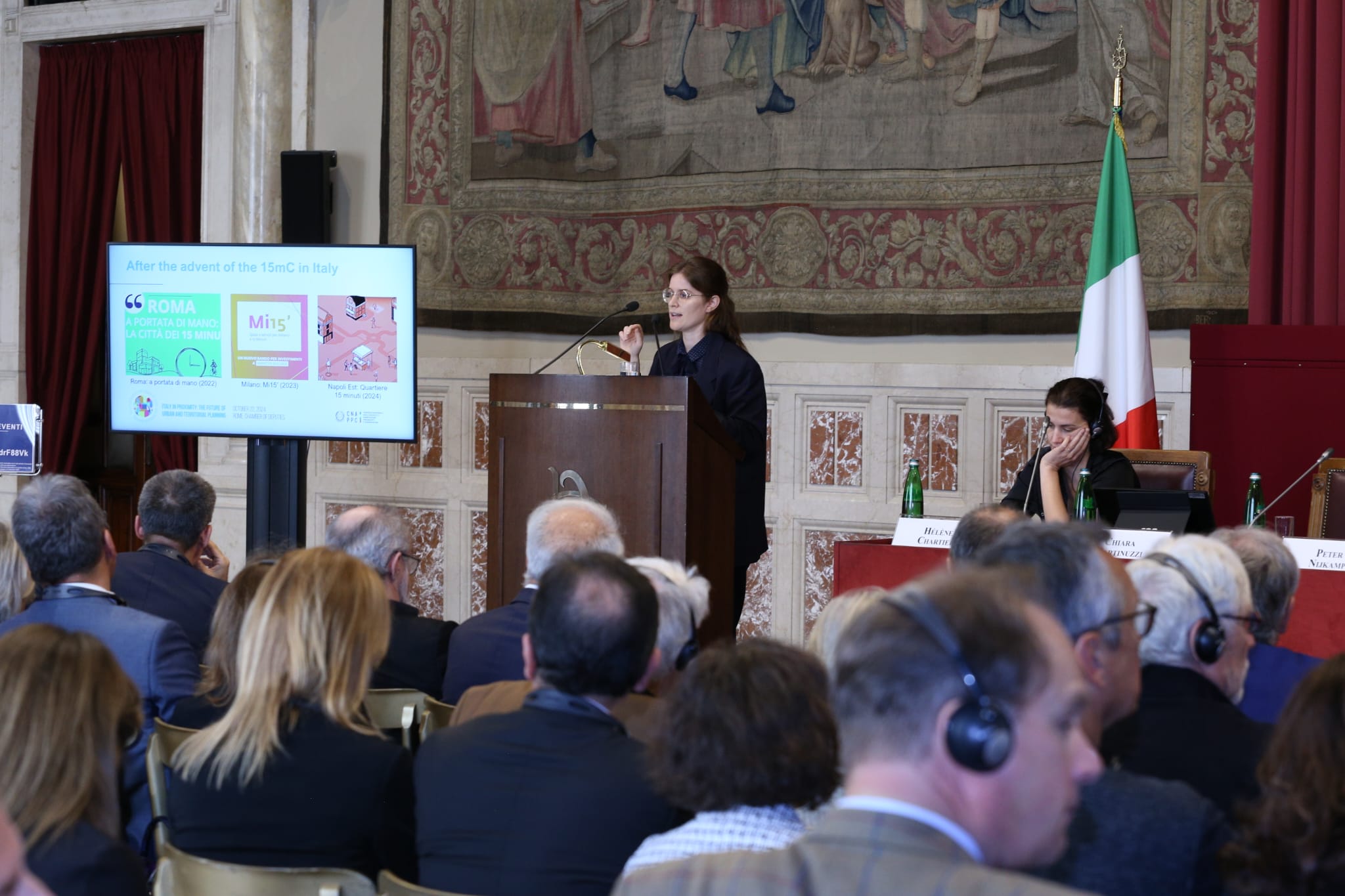
Italy in proximity: the future of urban and territorial planning

Italy in proximity: the future of urban and territorial planning

Conference organized by CNAPPC
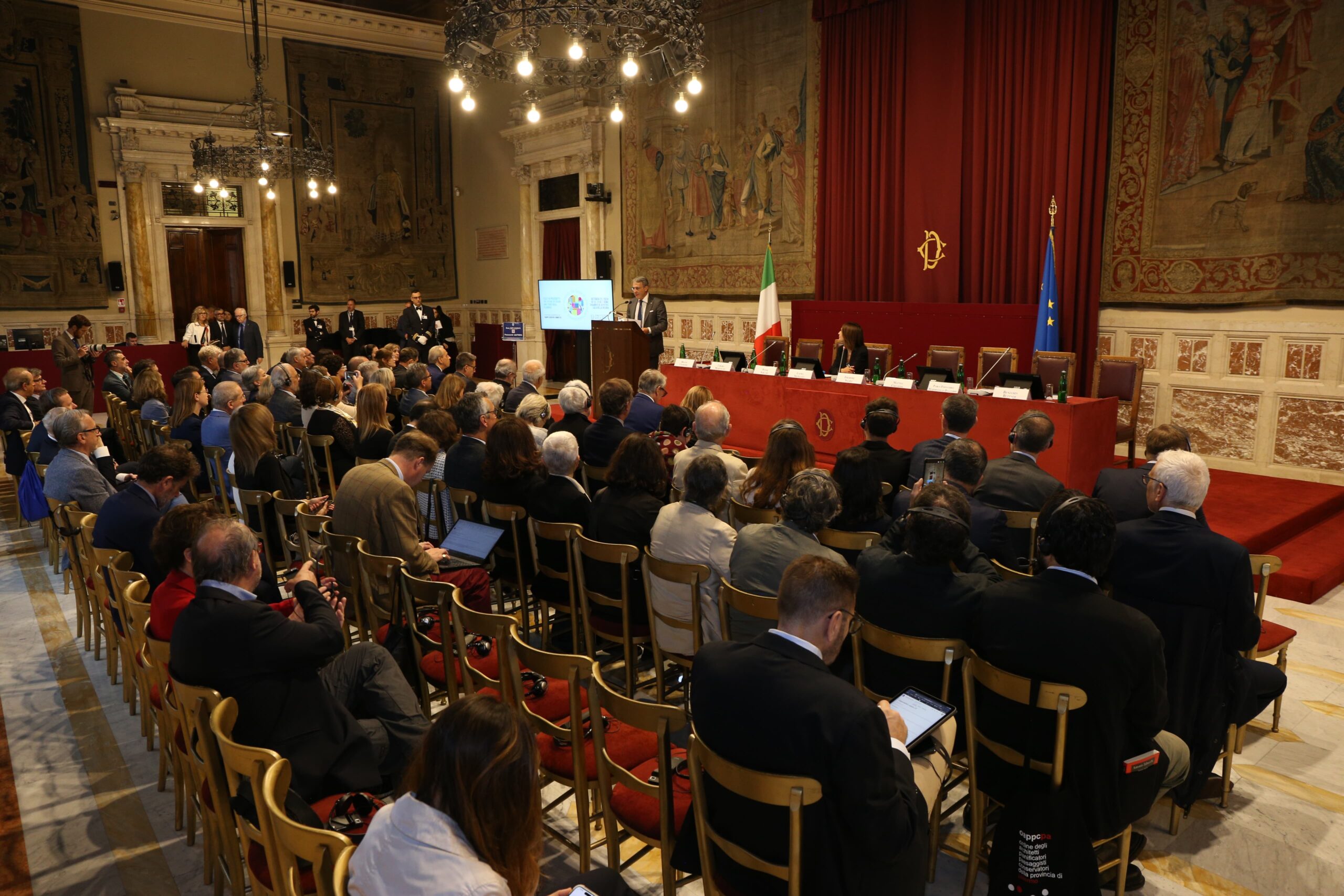
October 22nd, 2024 / Chamber of Deputies / ROME
Read the program

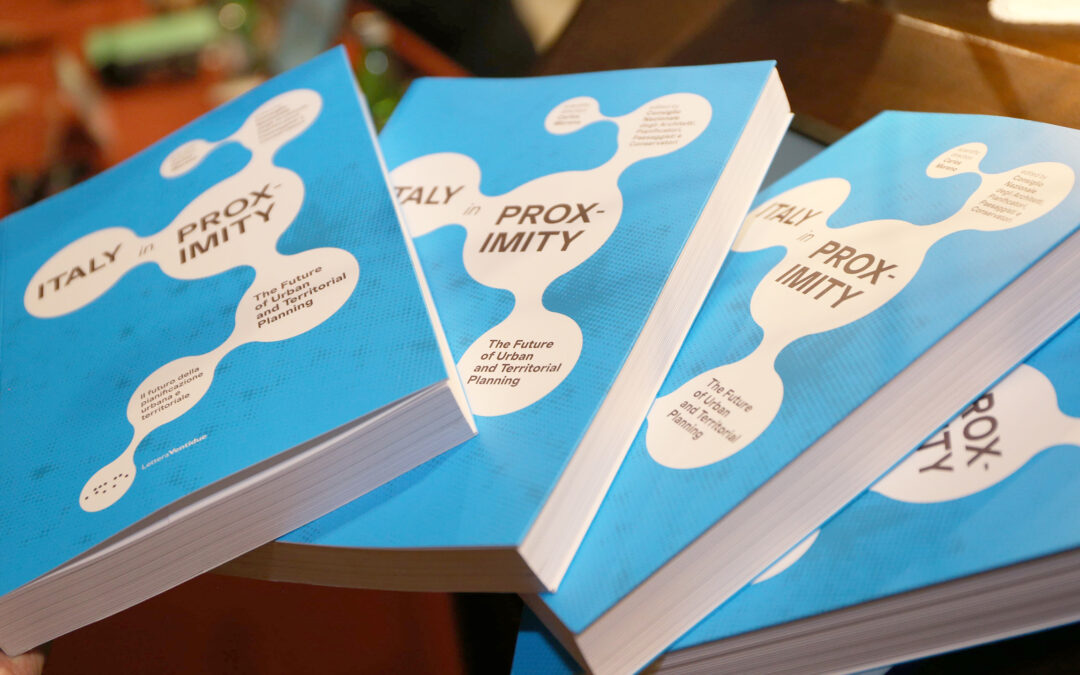
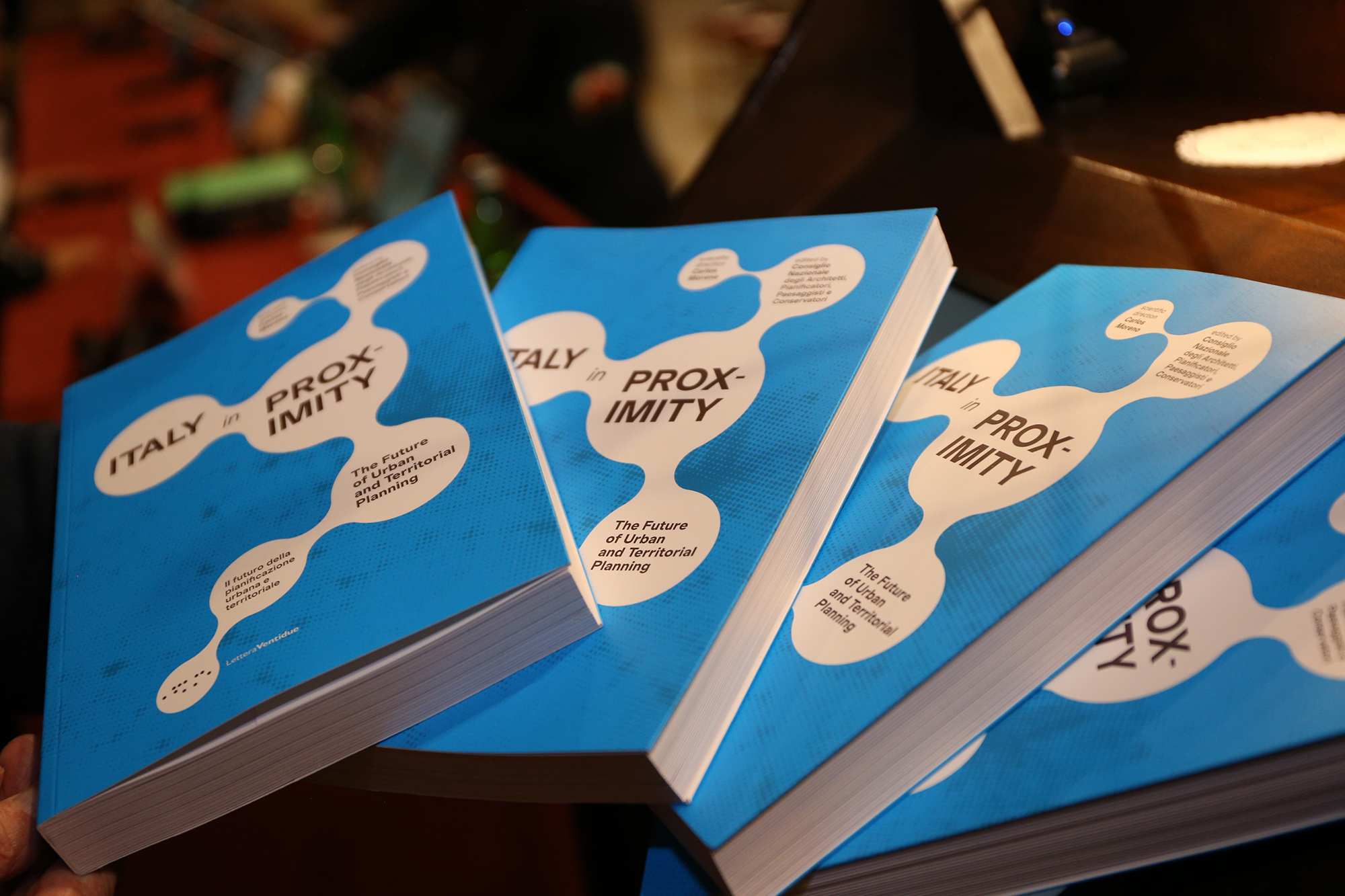
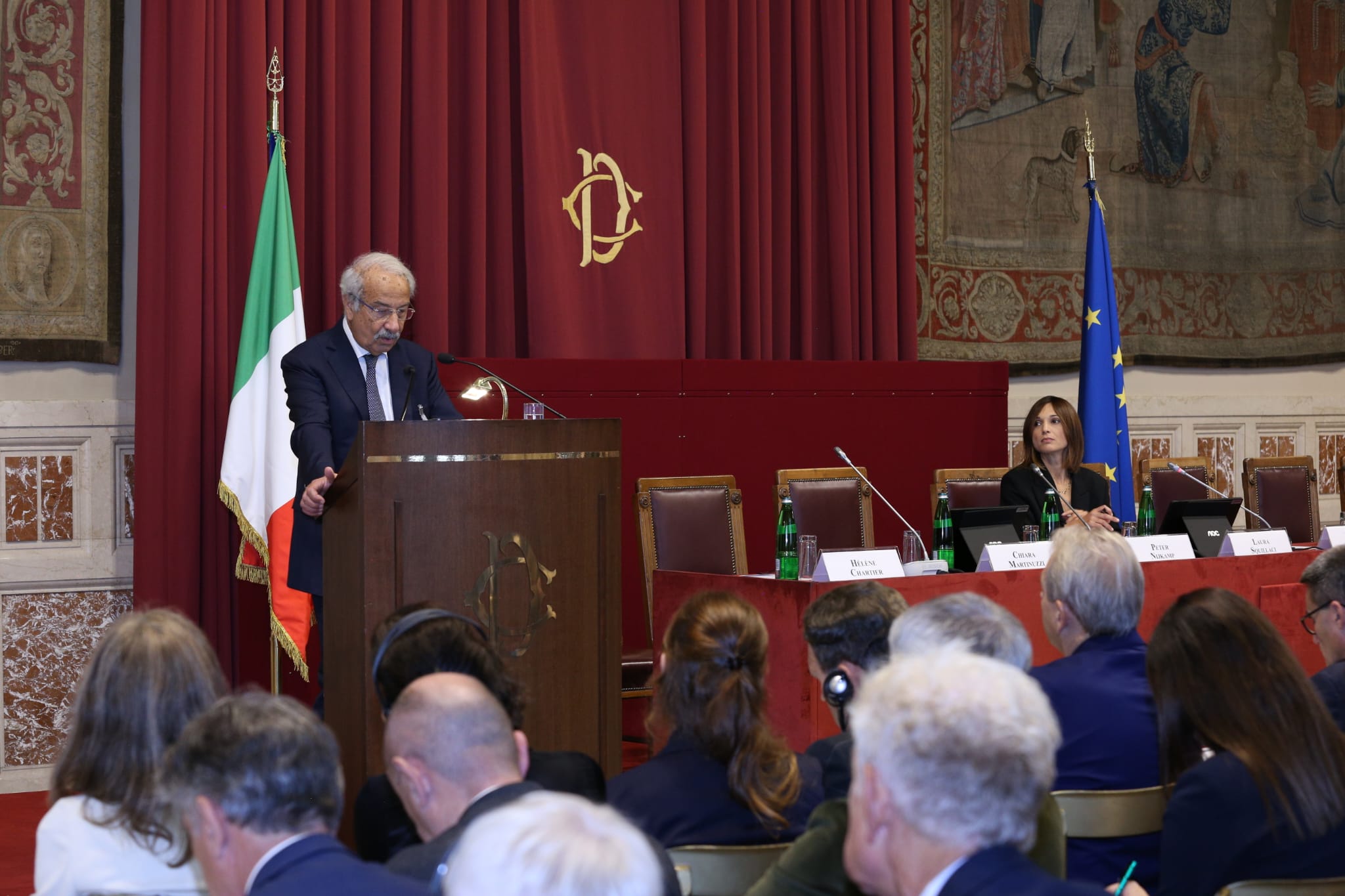
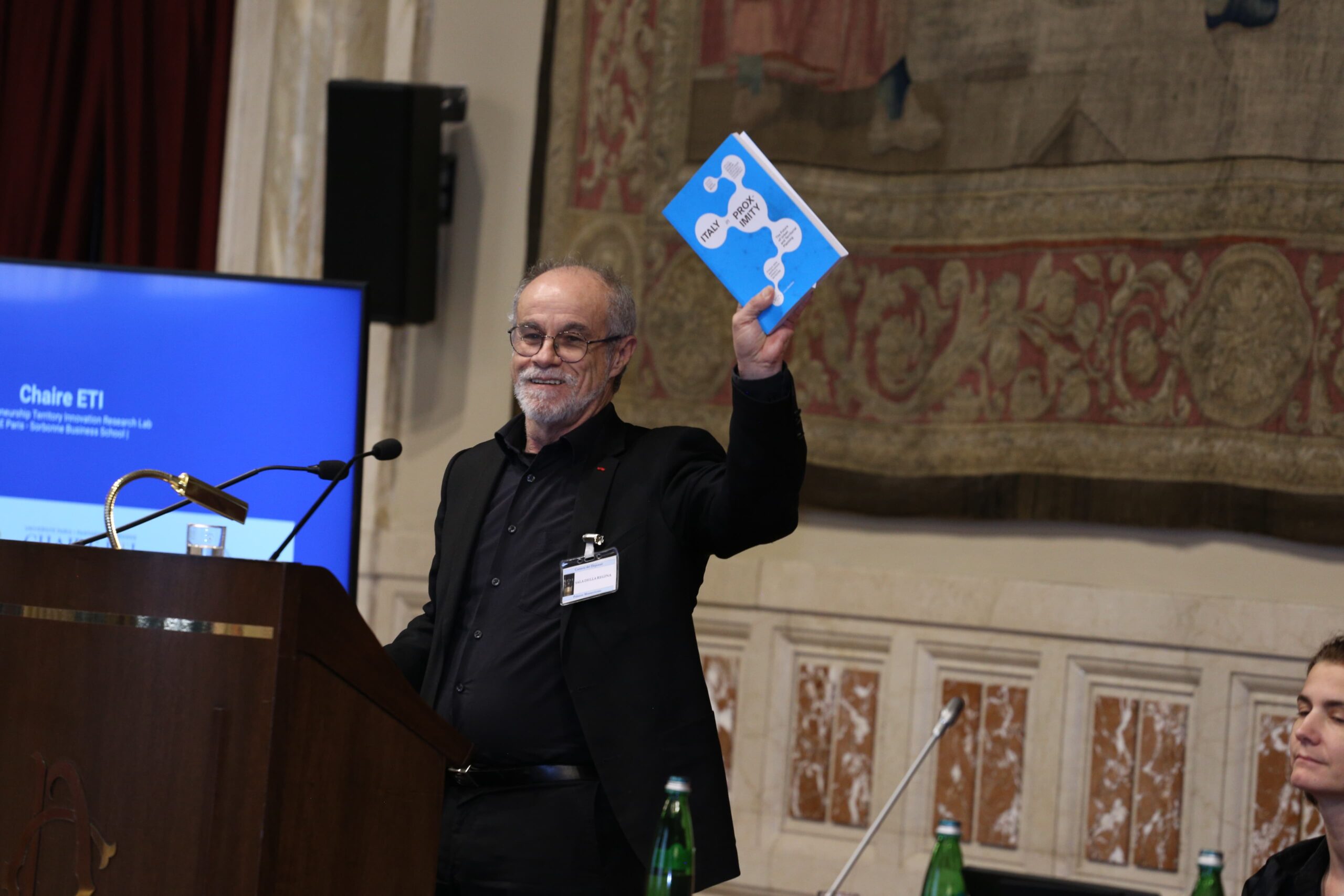
On May 15th 2024, in Pesaro, the case of Medellín was discussed: the city of Medellín transformed its image from the world capital of drug trafficking to a benchmark in urban innovation. Following the elimination of Pablo Escobar and the dismantling of the drug cartel, Medellín was named “Most Innovative City in the World” in 2013, thanks to its integrated public transportation system and investments in environmental and cultural initiatives. During the “Urban Regeneration” conference, architect Jorge Pérez-Jaramillo shared his experience in urban planning in Medellín between 2012 and 2015, highlighting key projects such as Parque del Río and the Unidades de Vida Articulada (UVA). These initiatives helped rehabilitate dangerous areas and promoted social cohesion across the city.

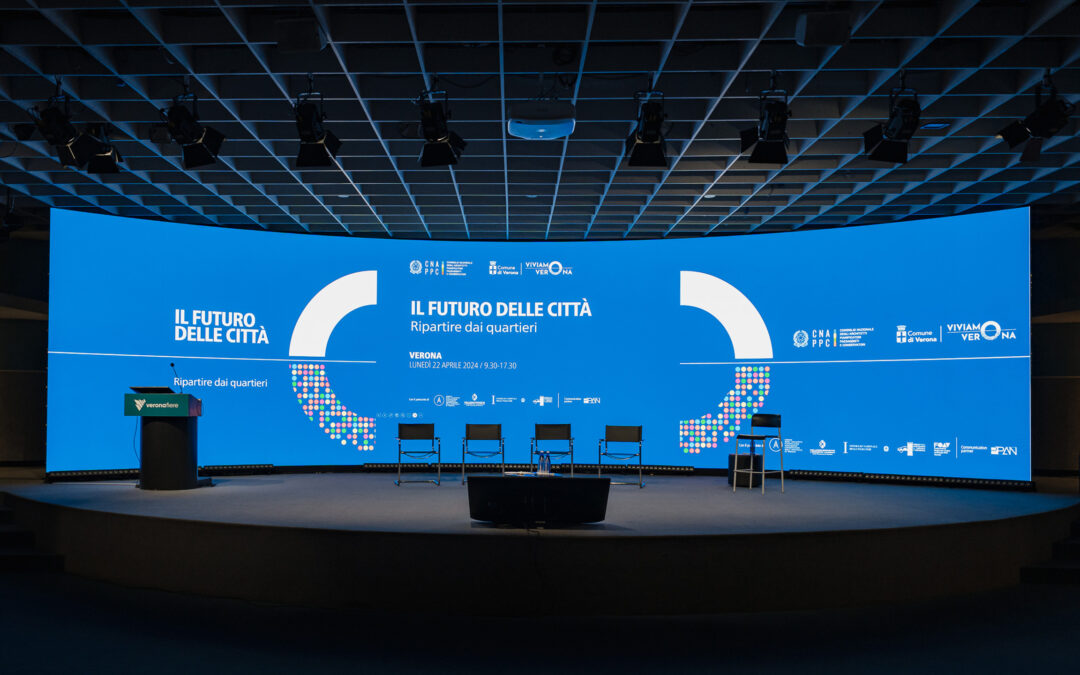
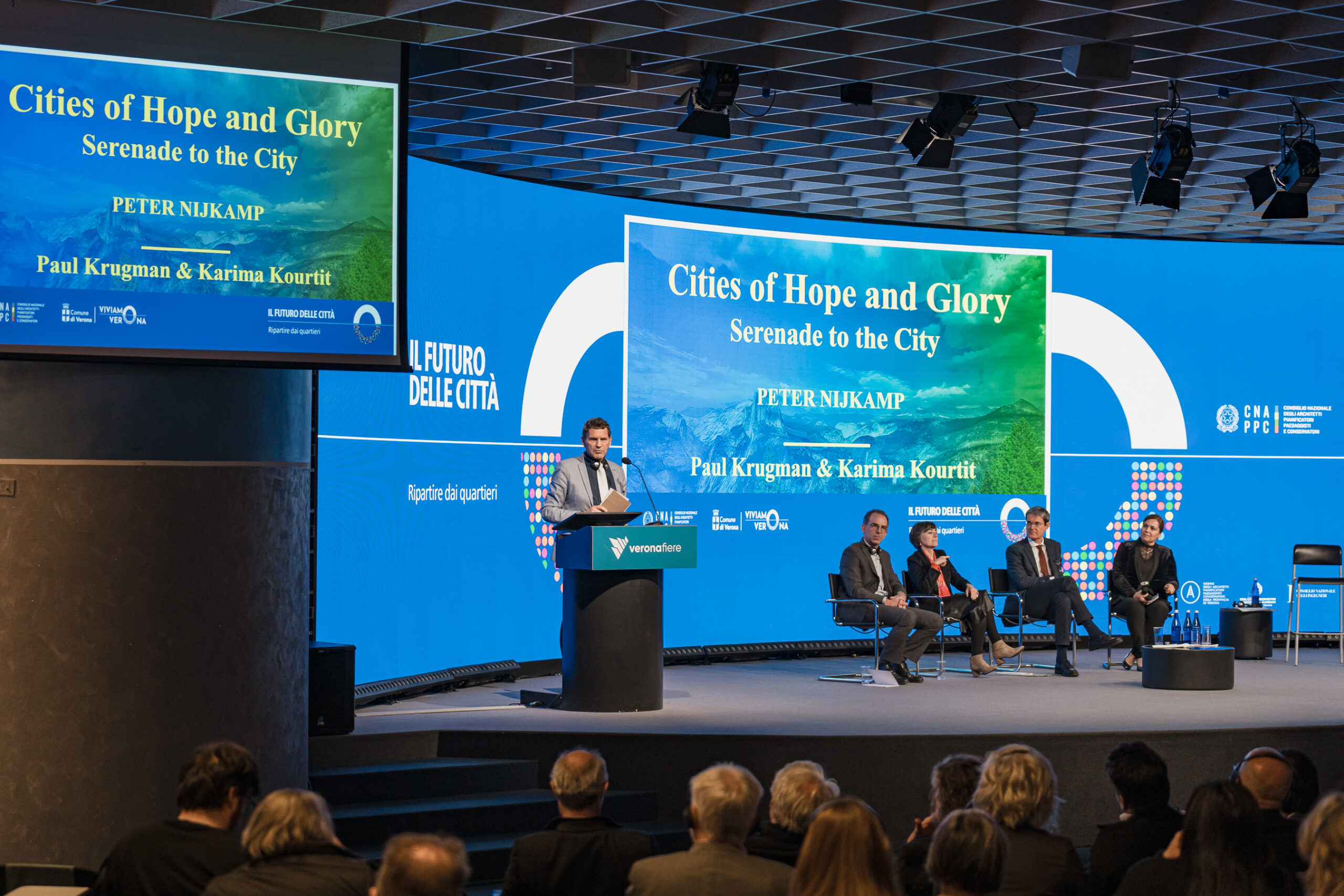
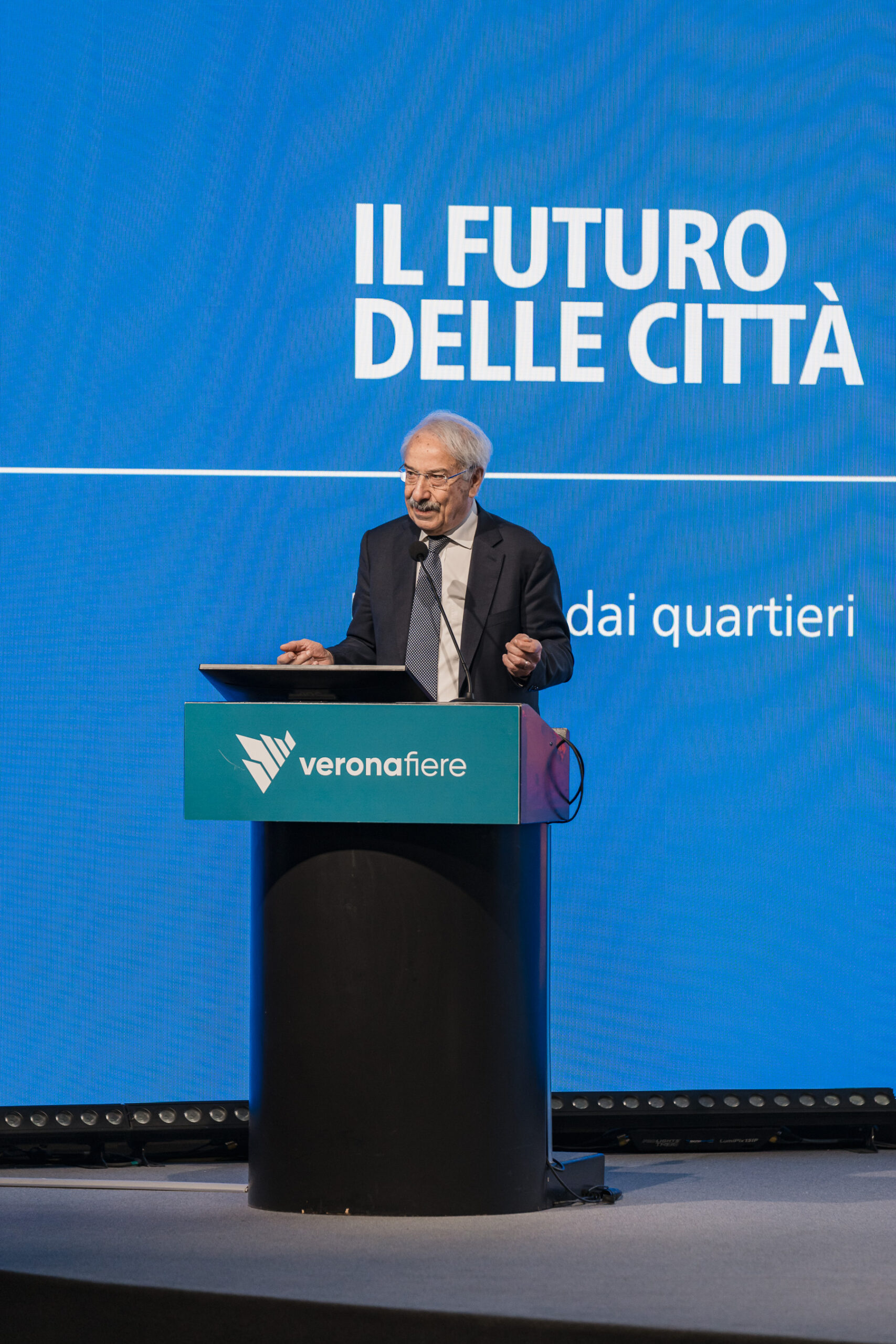
The future of cities. Restarting from neighbourhoods

The future of cities. Restarting from neighbourhoods

International conference organized by CNAPPC in collaboration with the Municipality of Verona
April 22nd, 2024 / Veronafiere Congress Centre / VERONA
Read the program

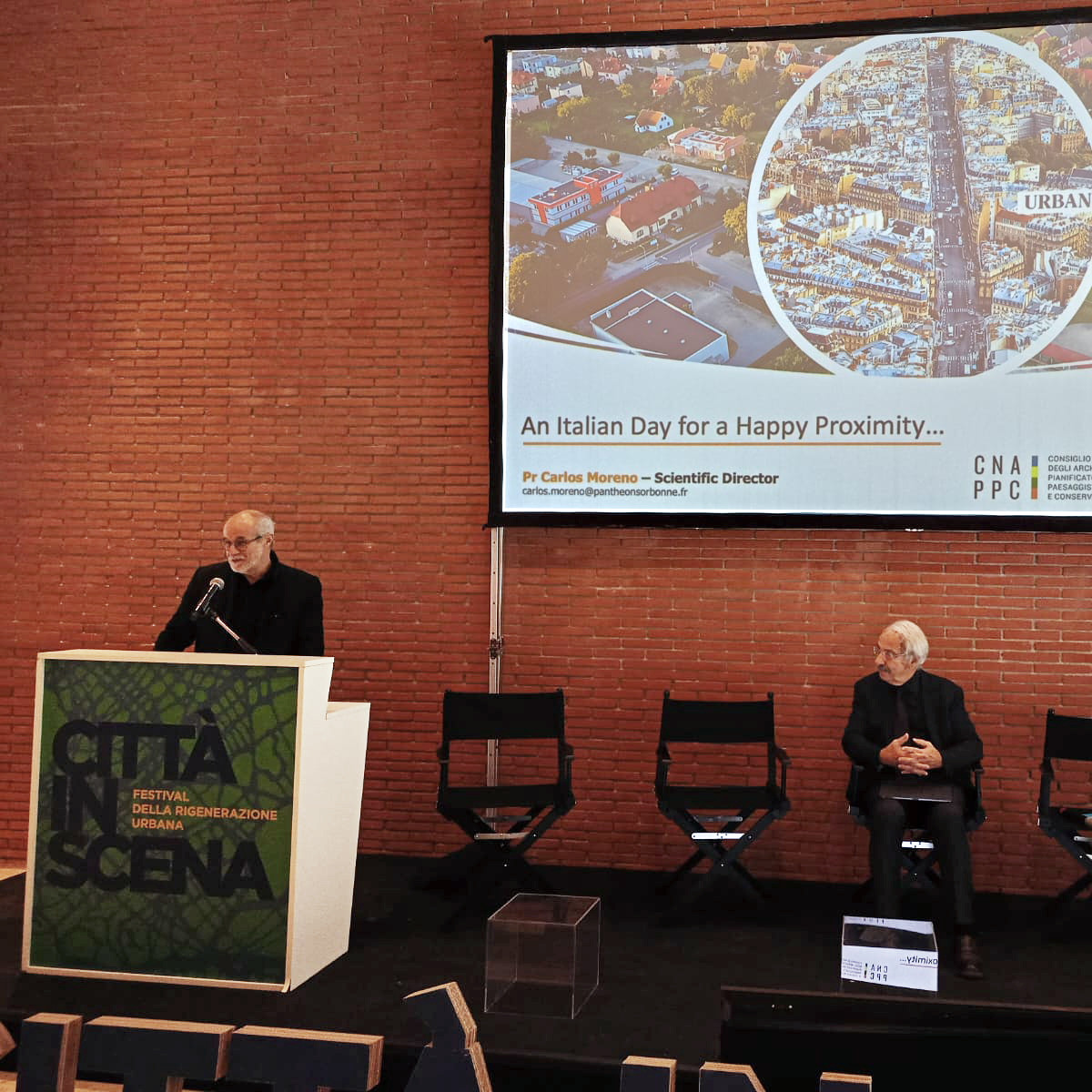
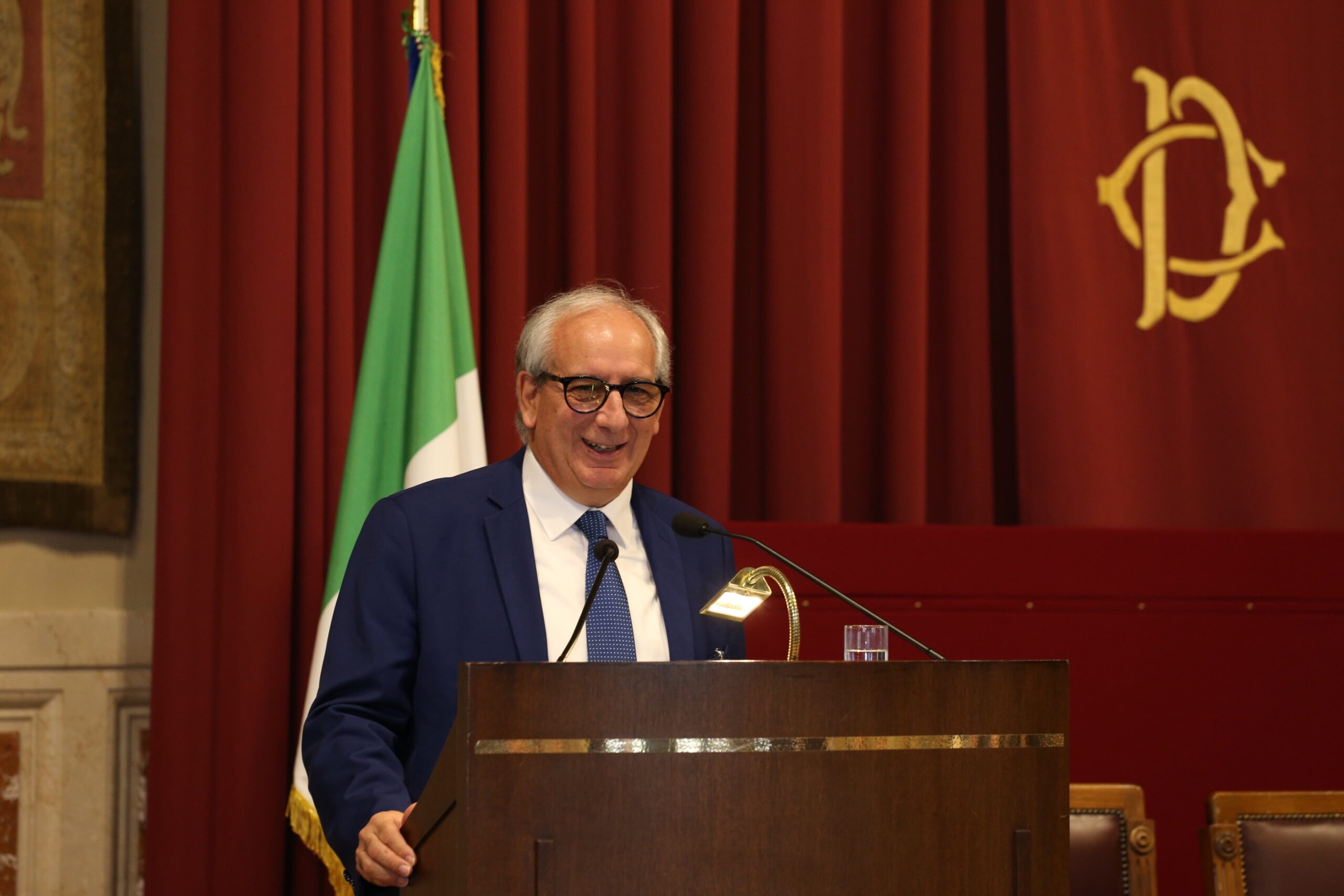
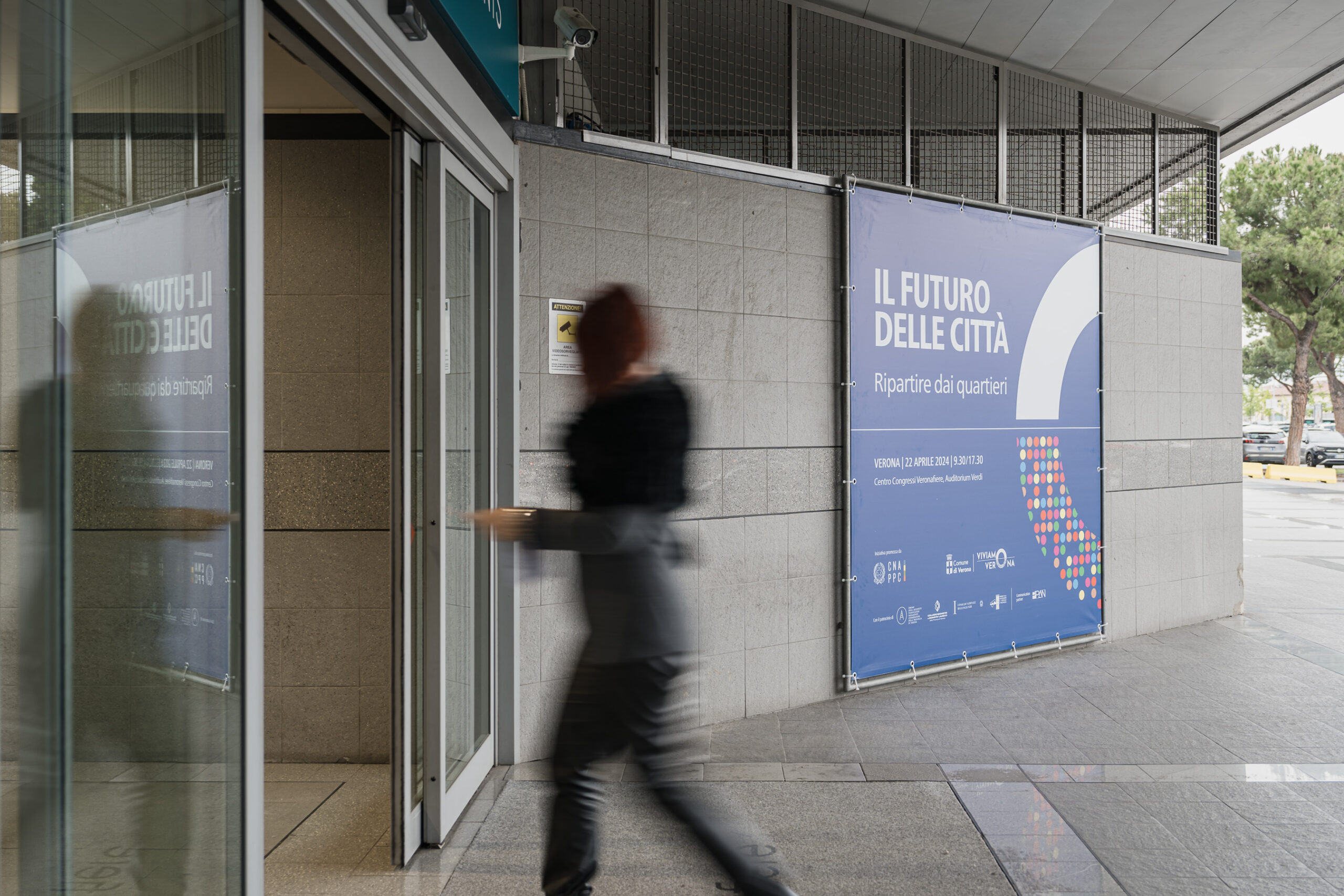
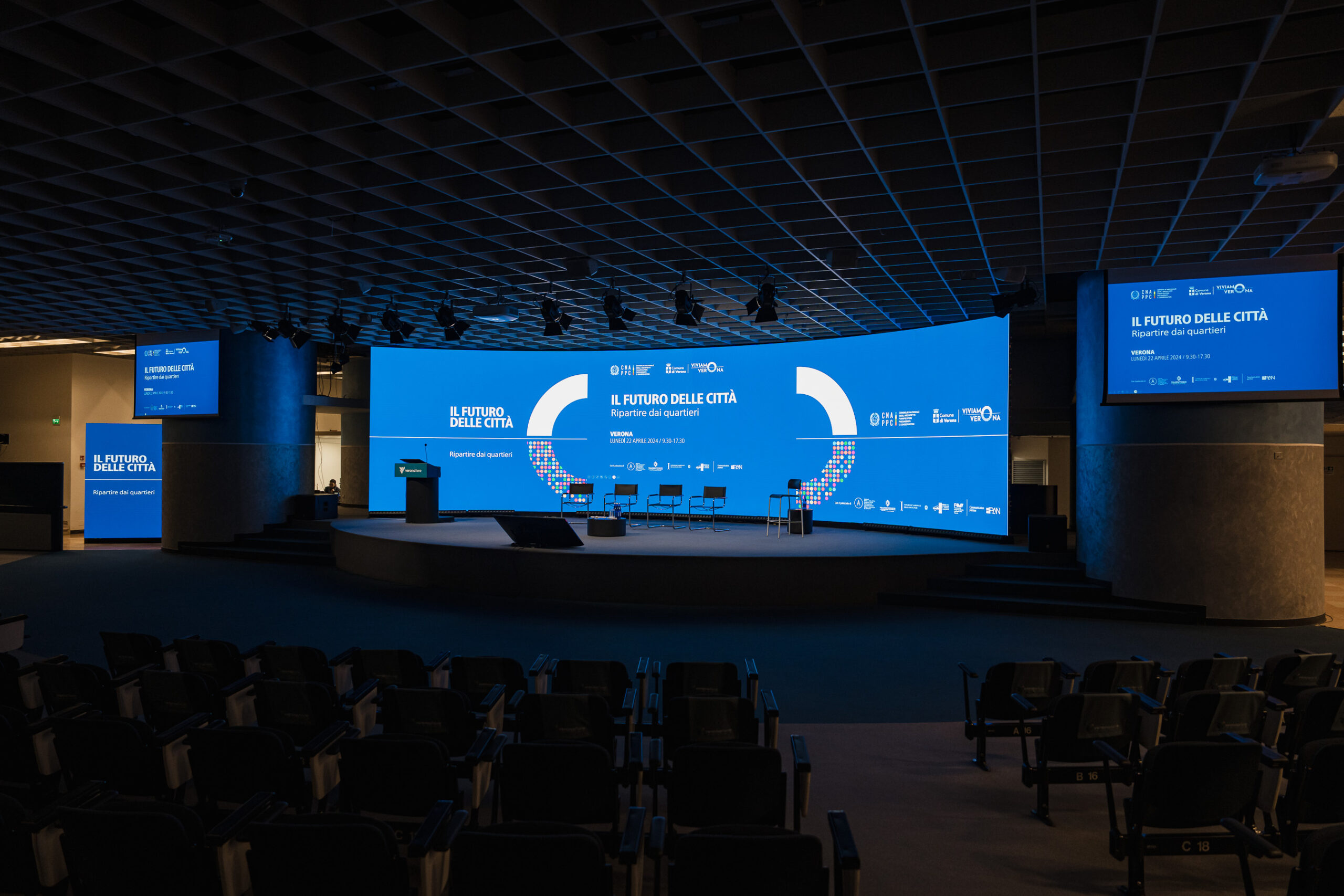
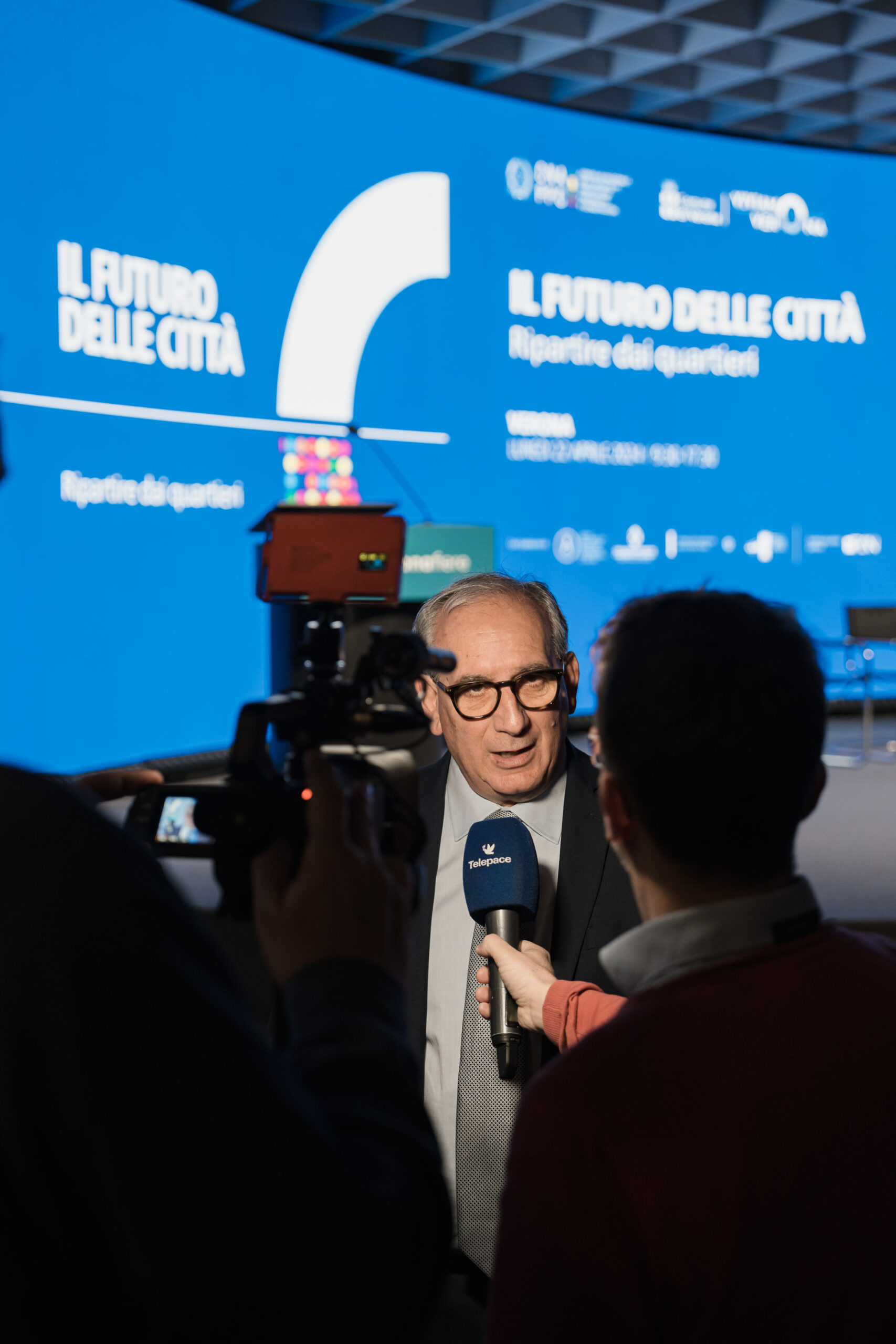
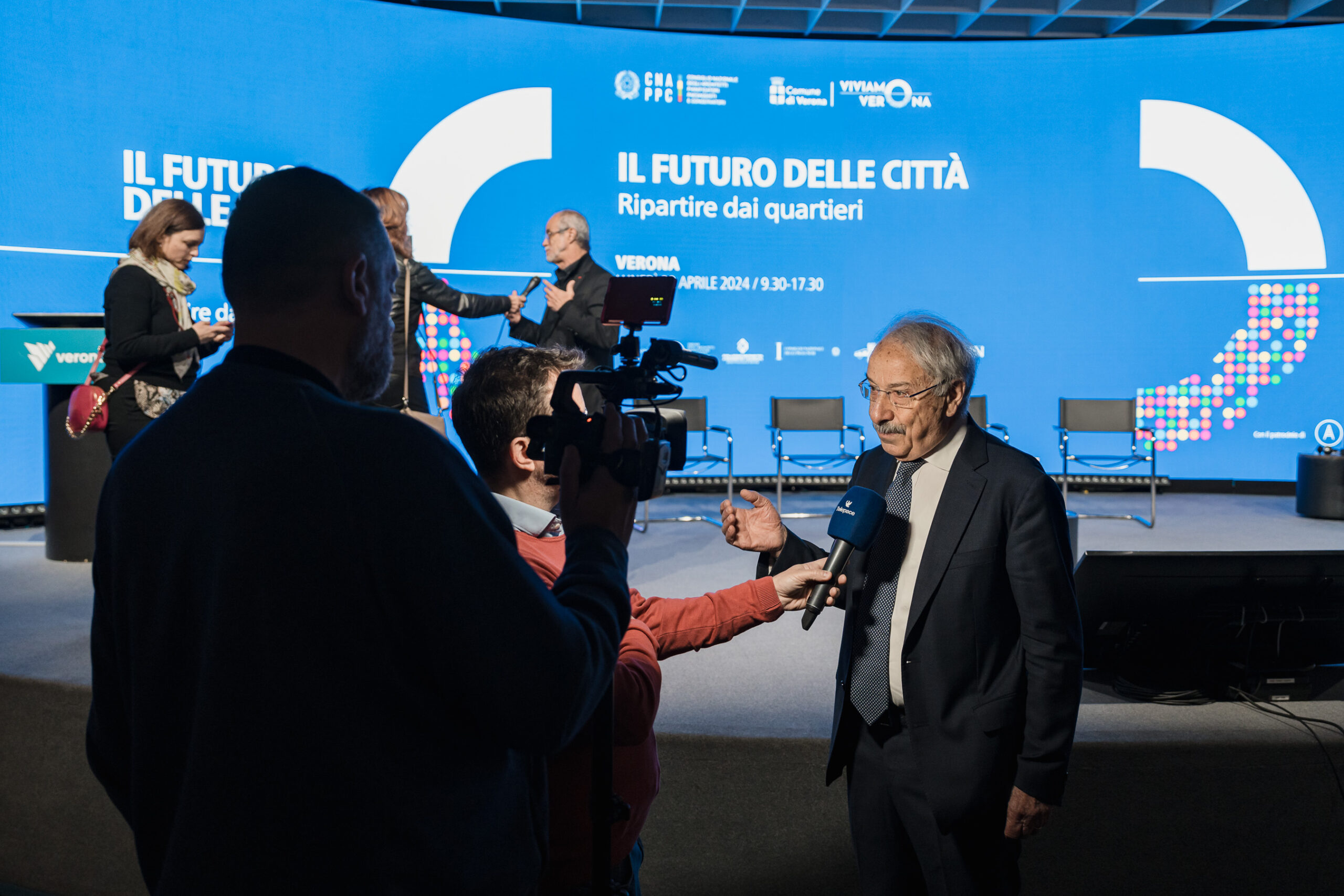
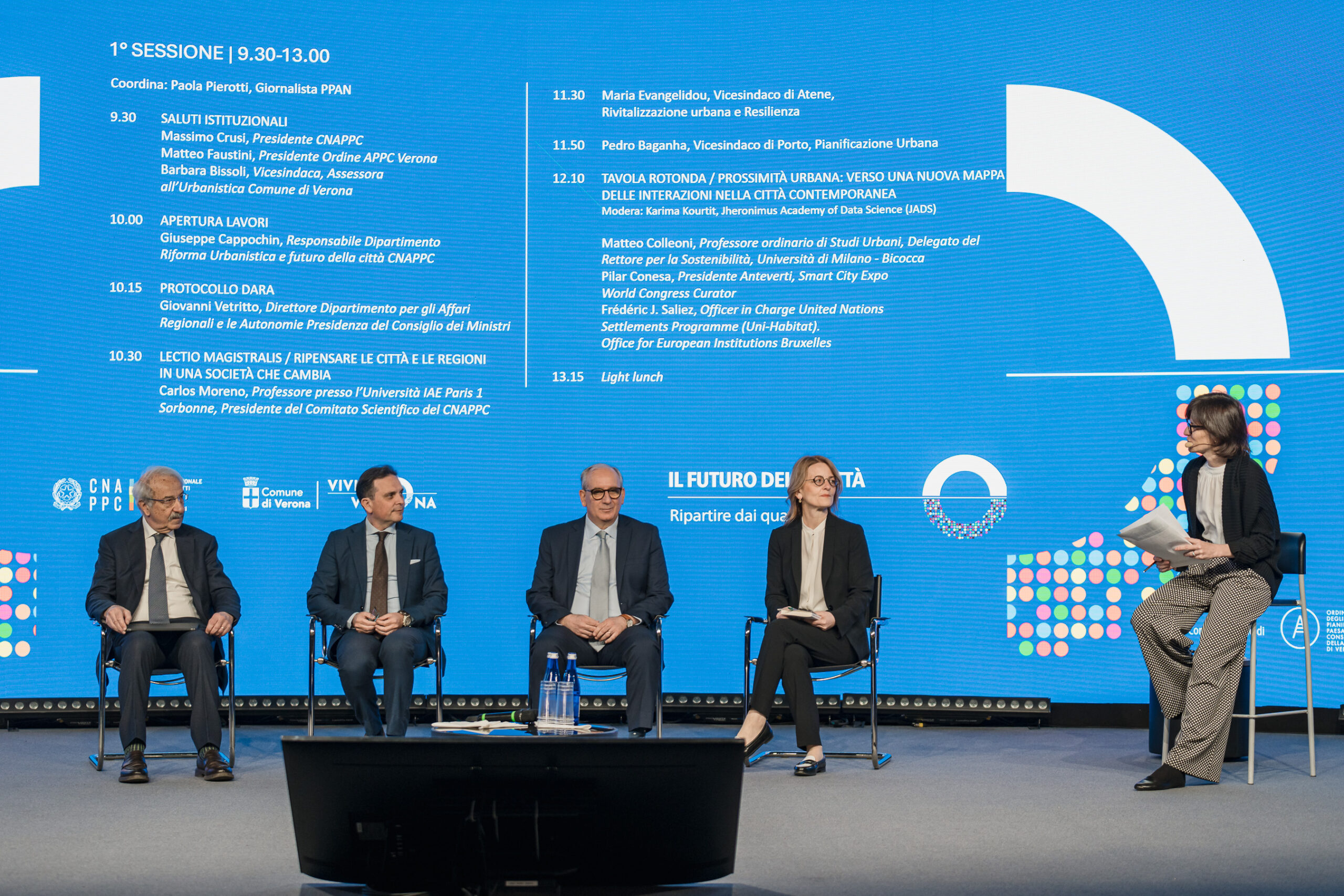
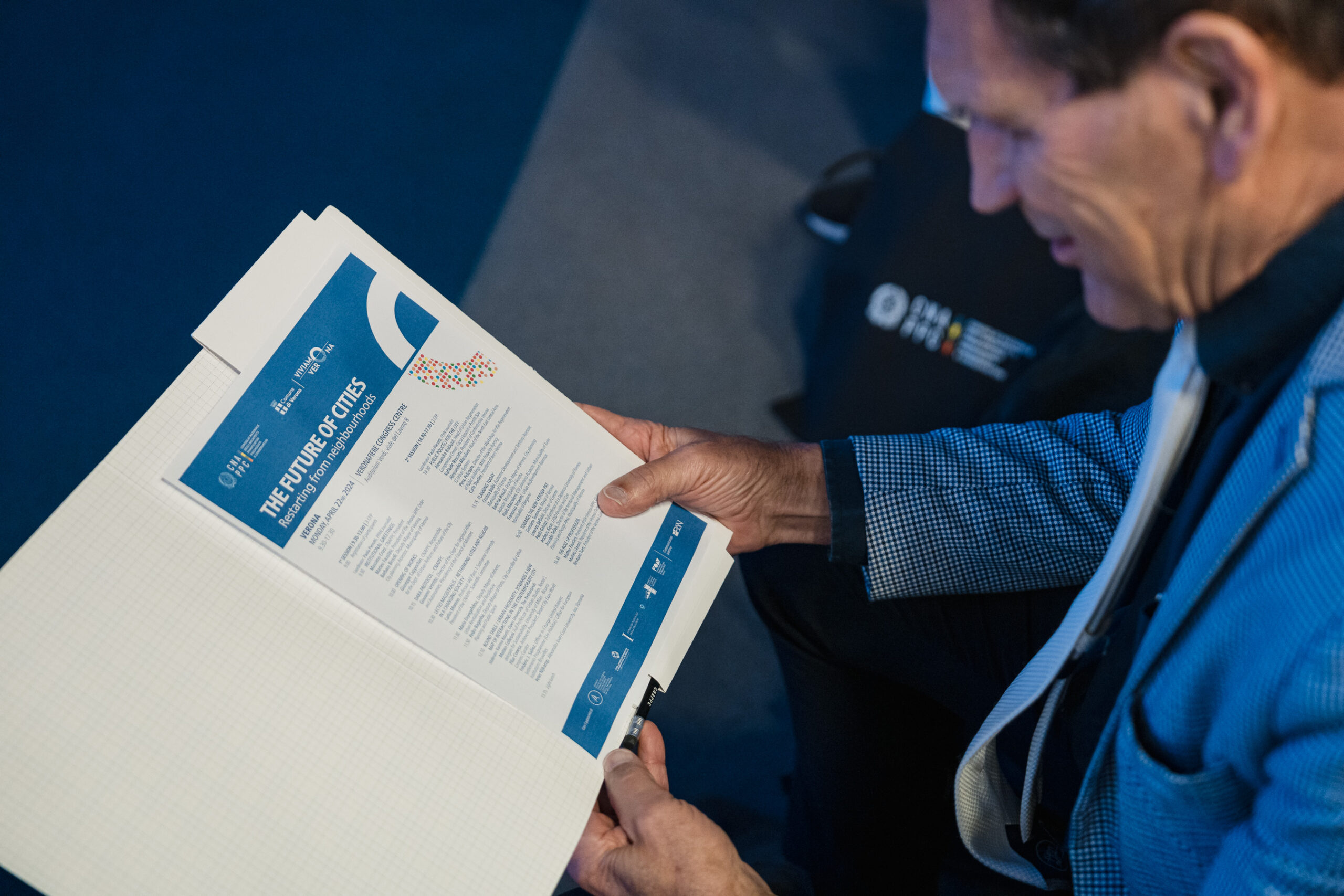
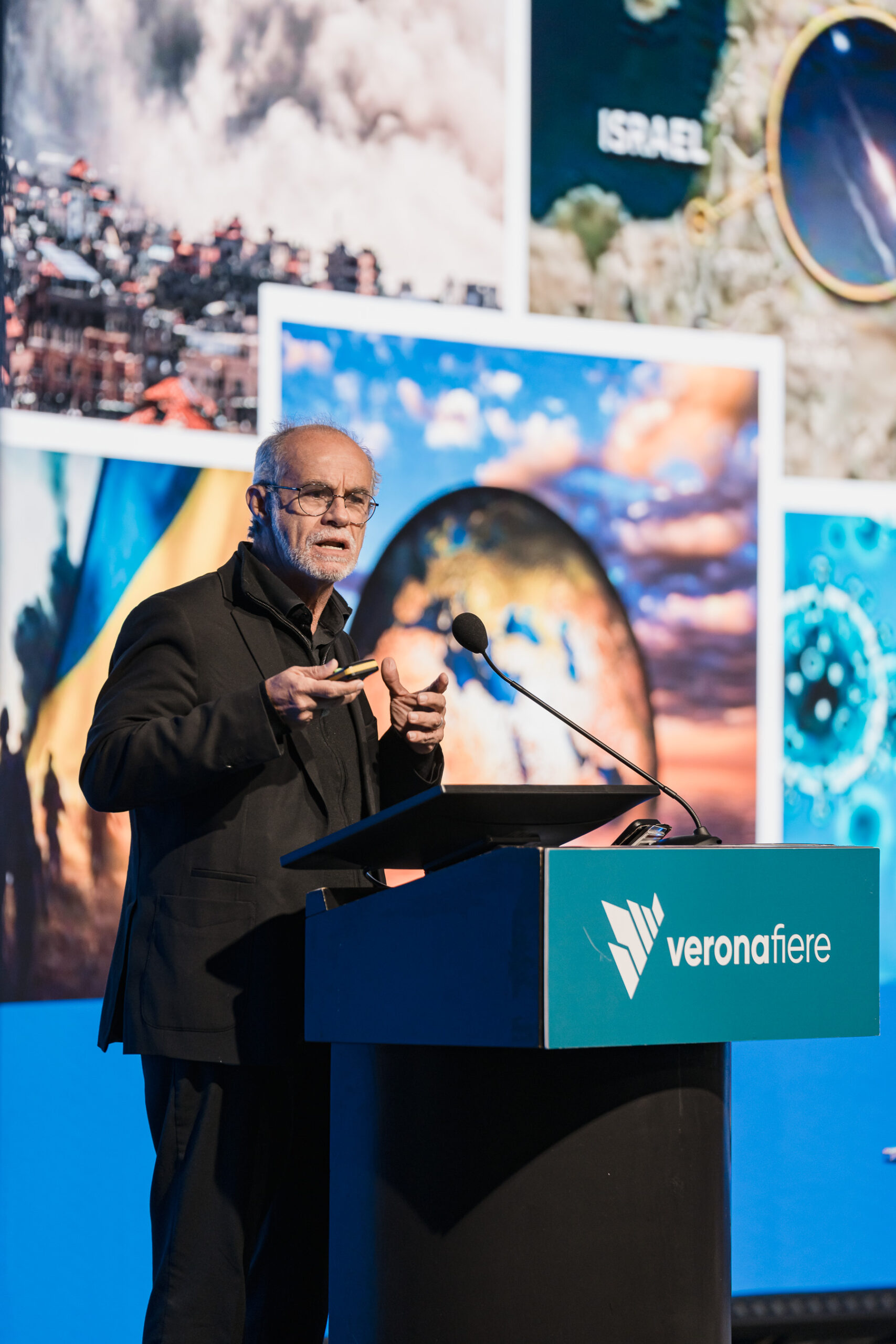
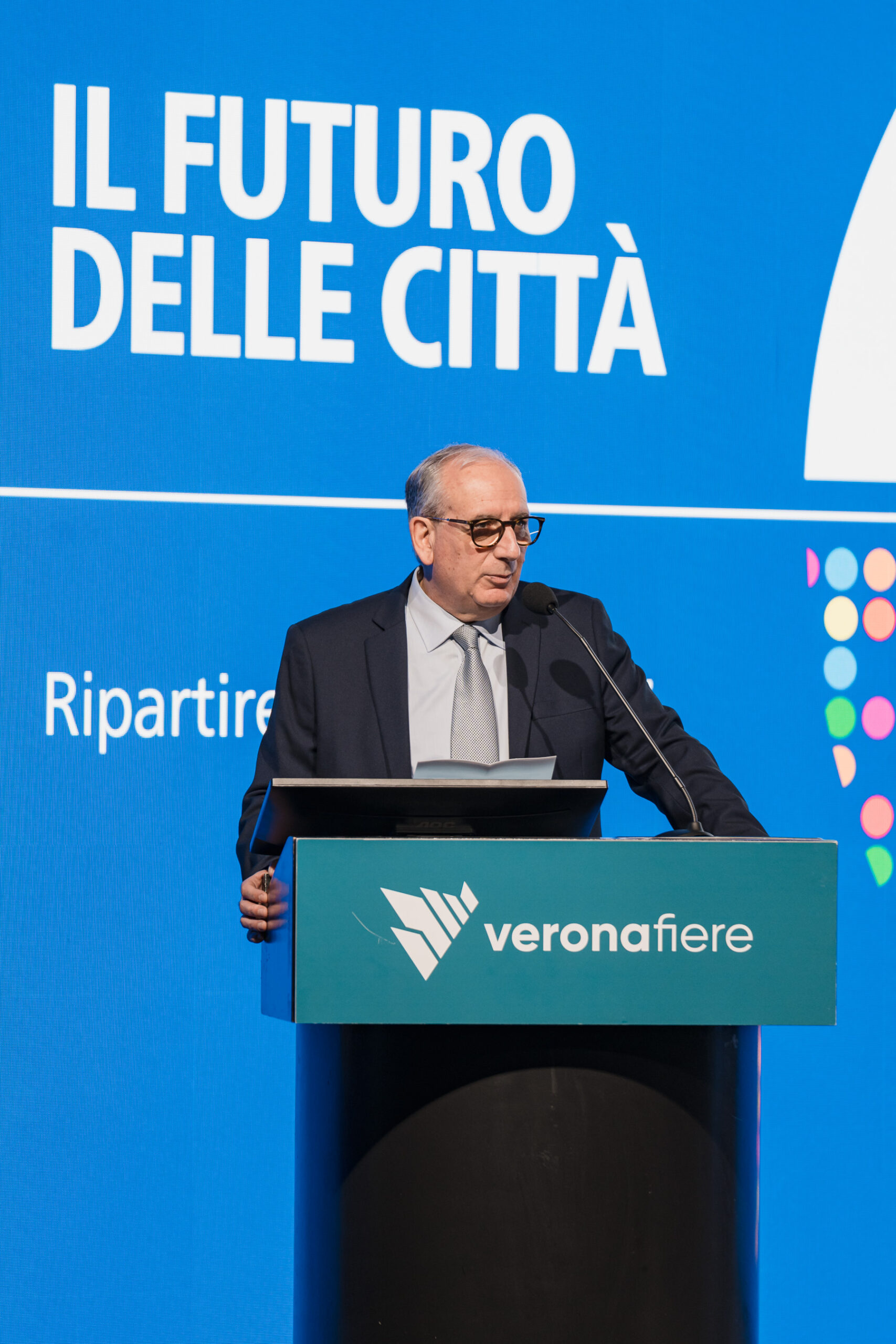
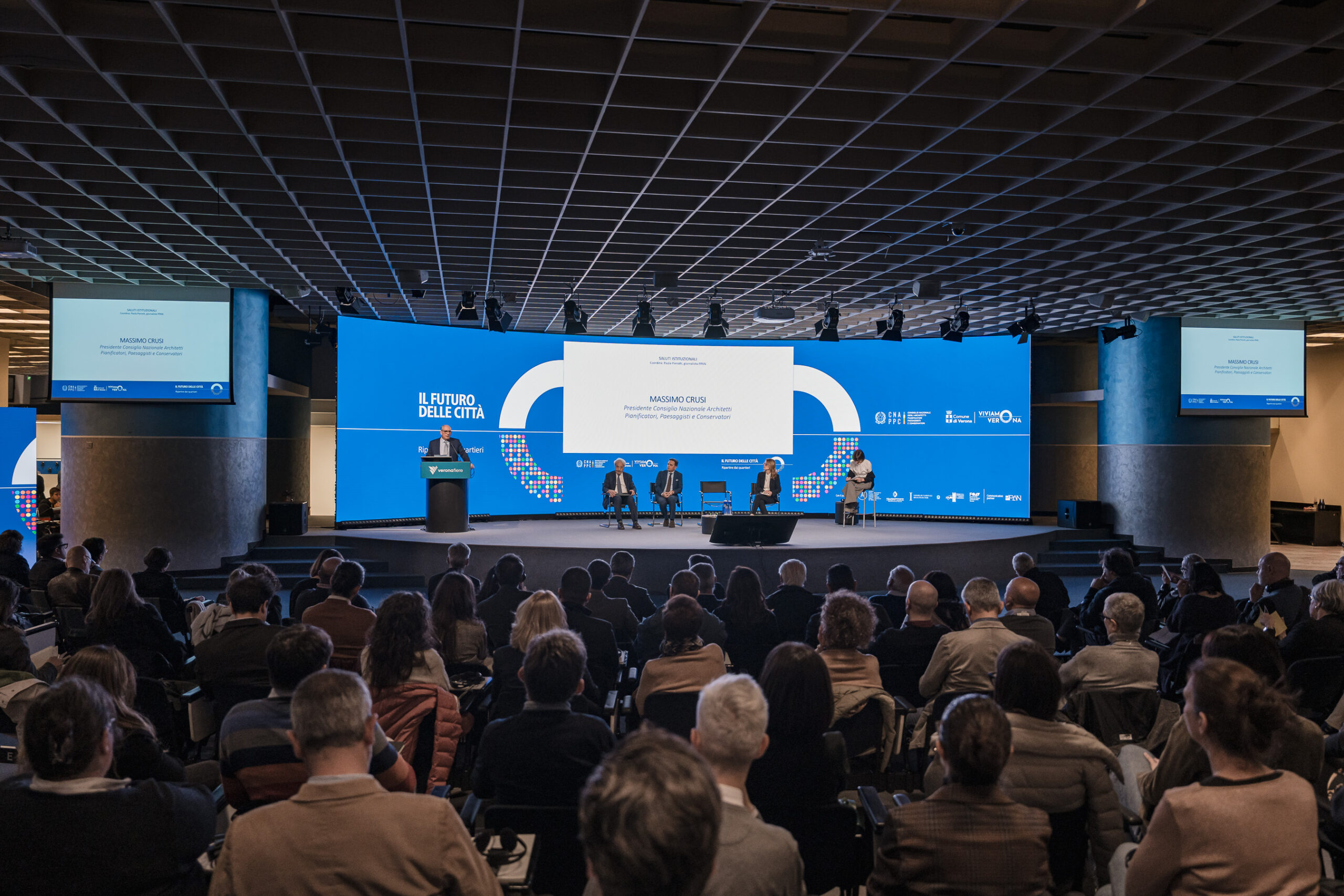
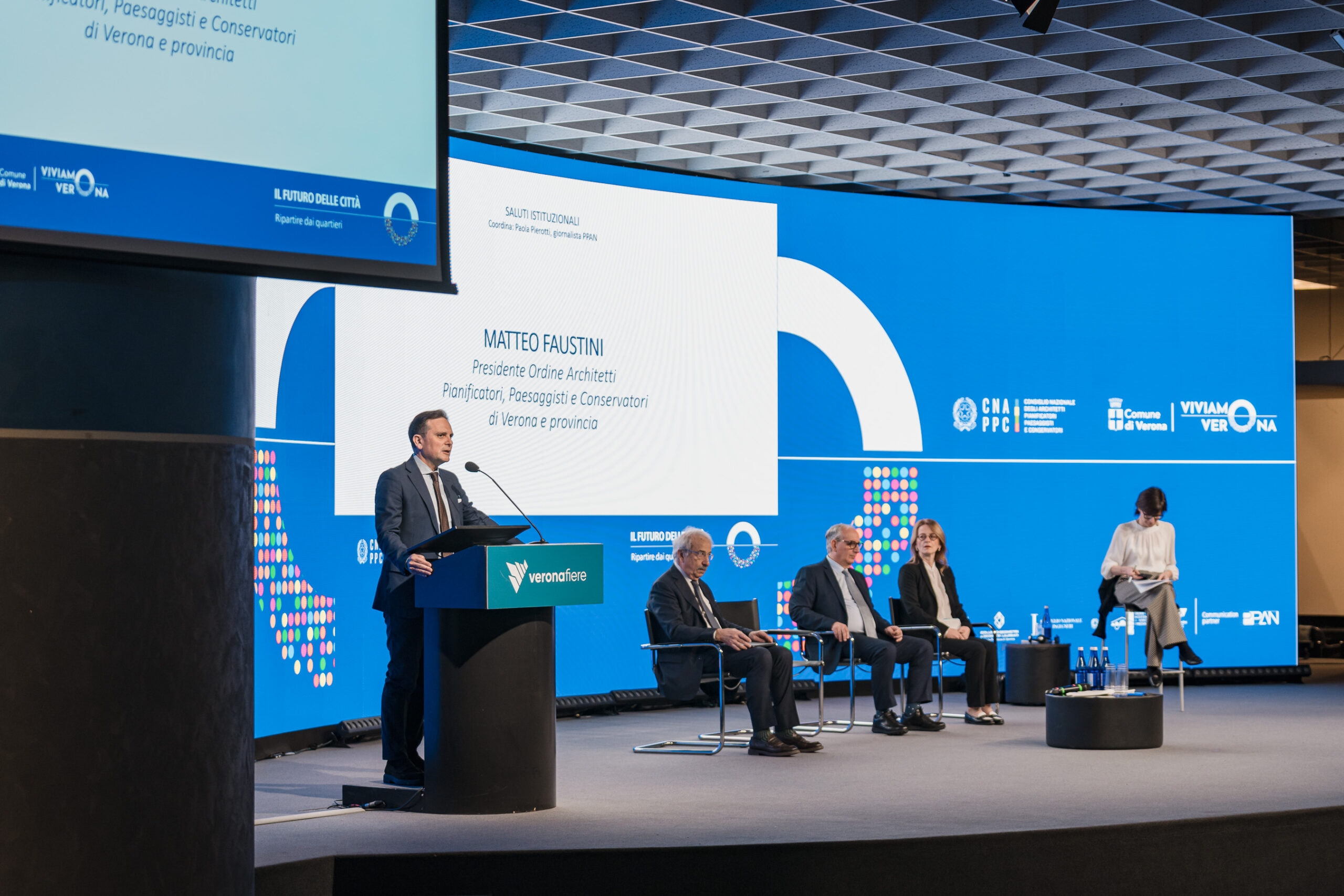
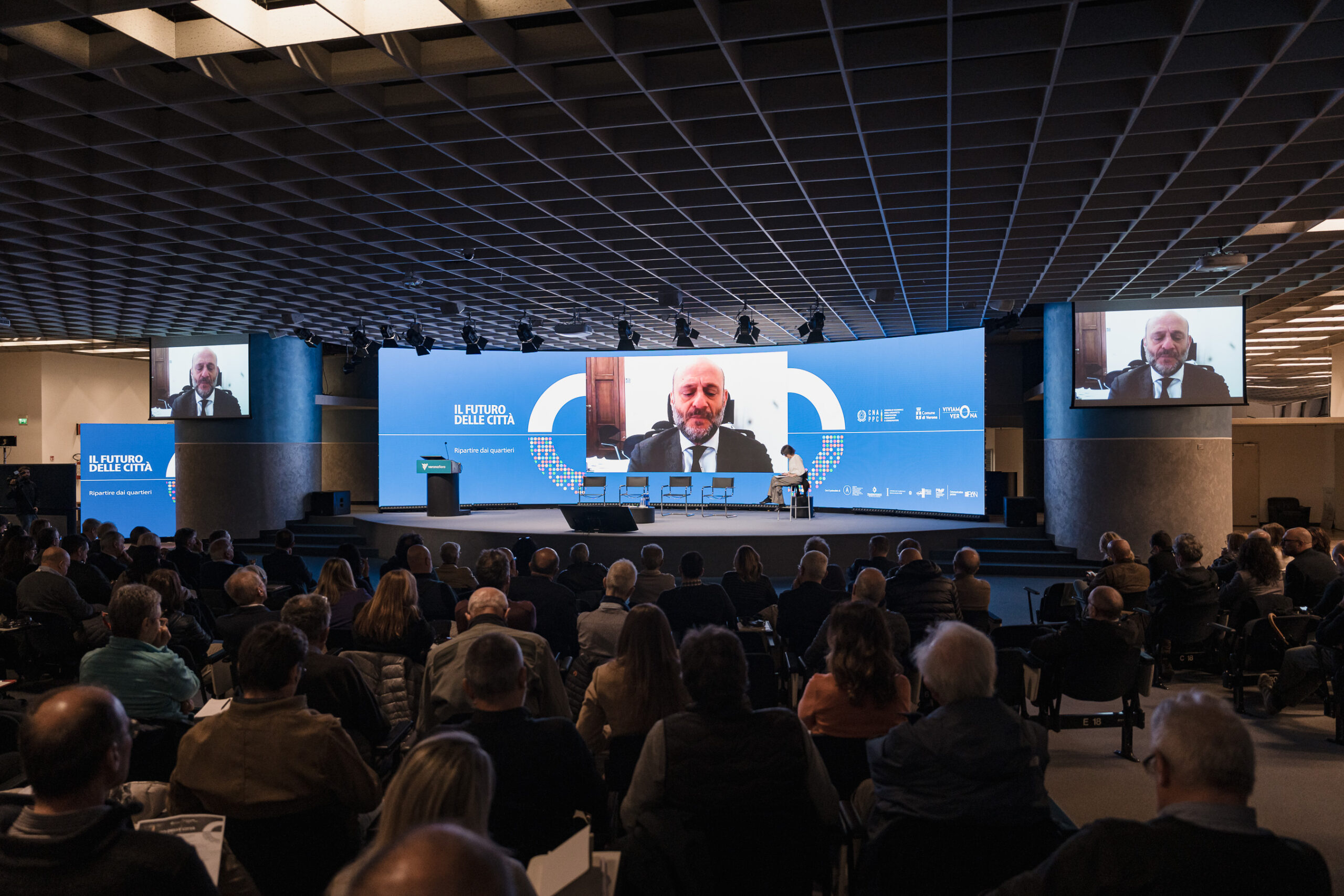
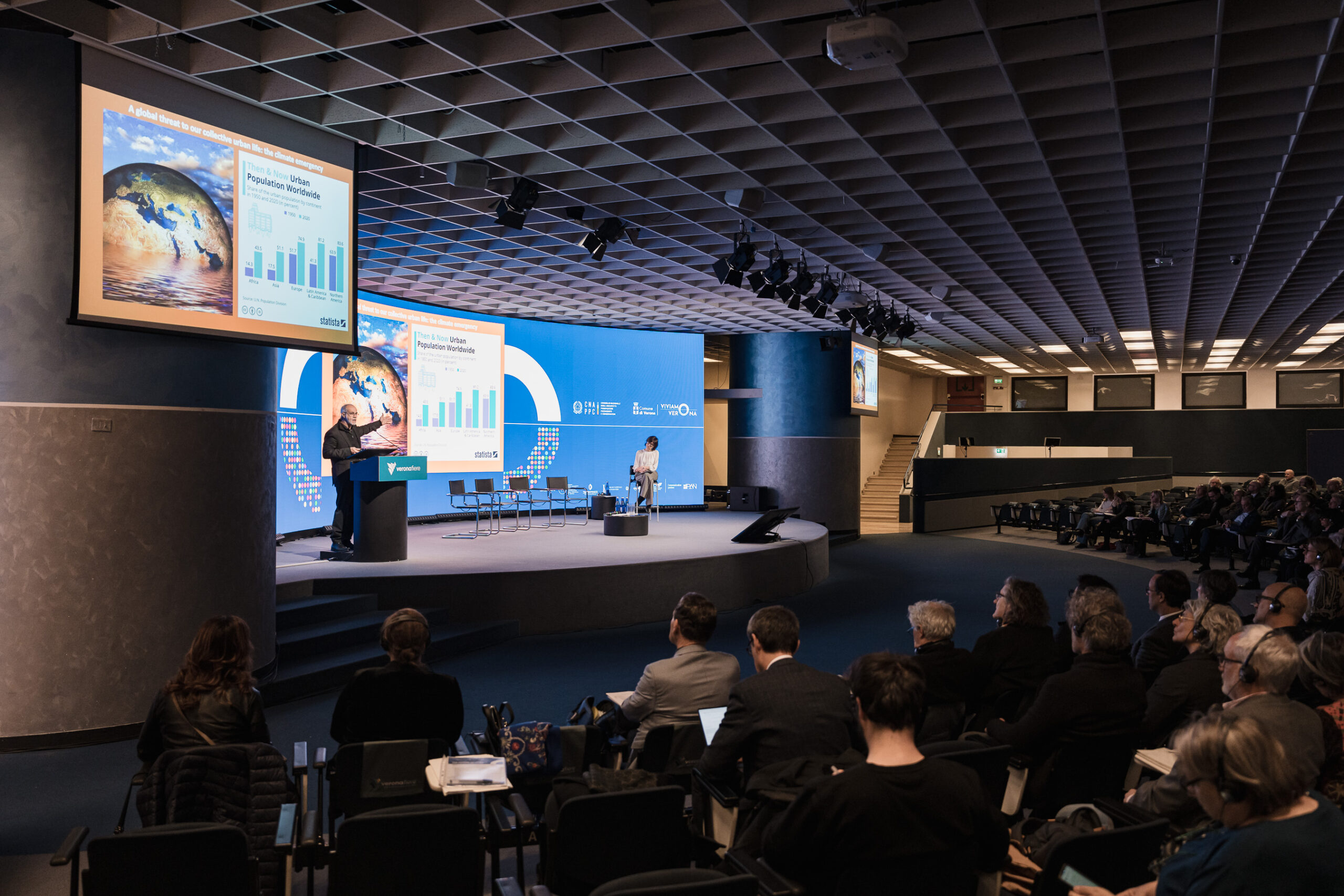
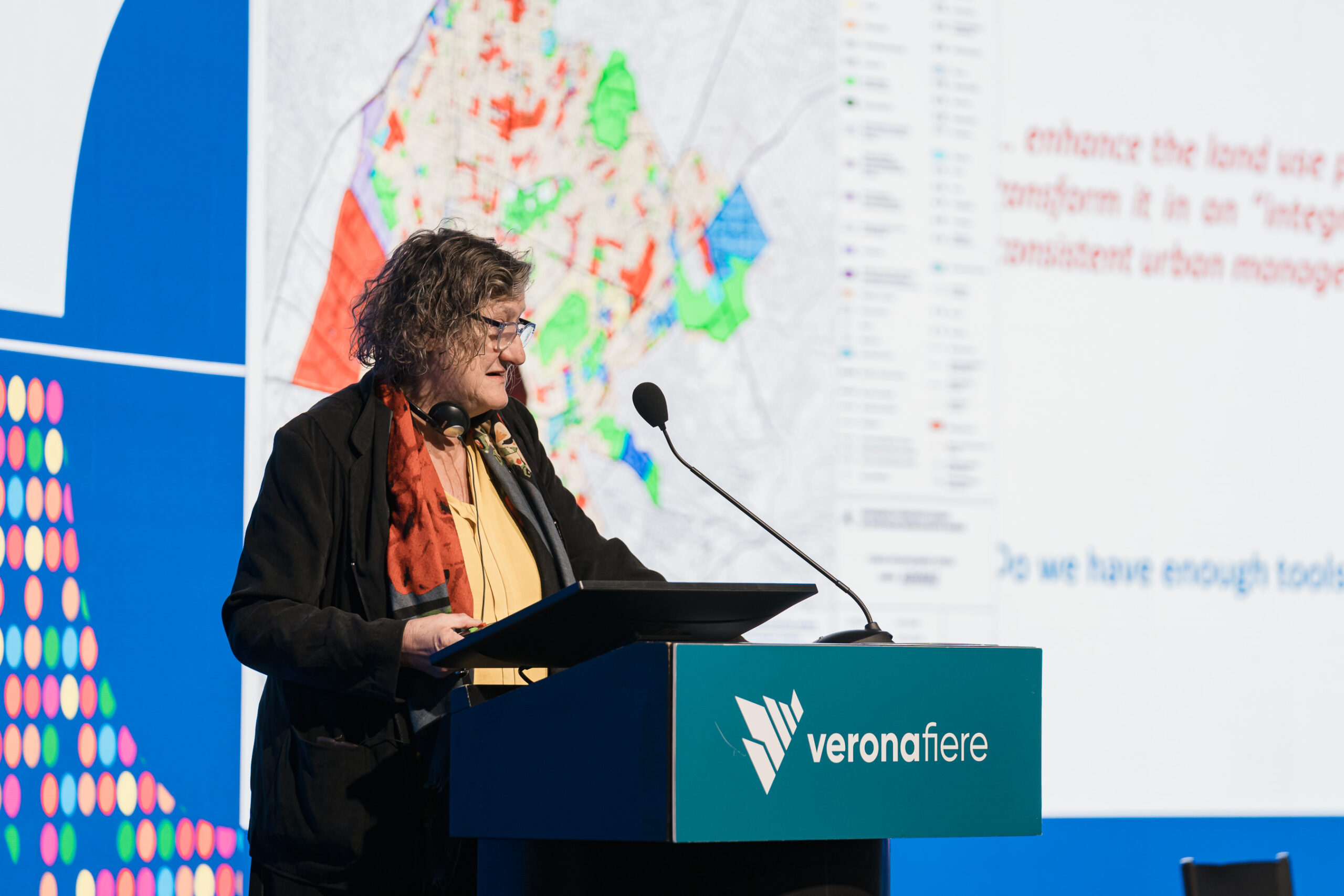
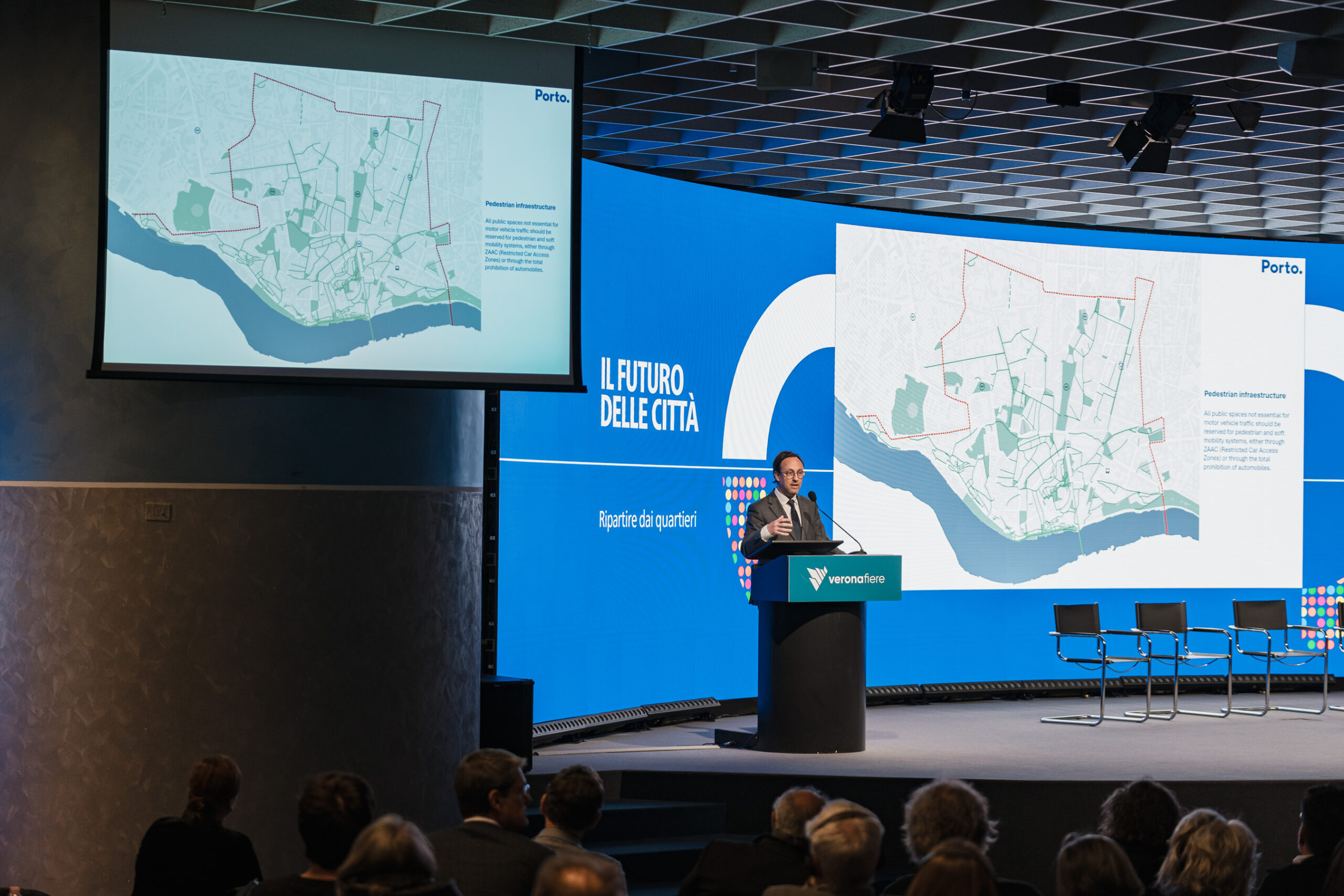
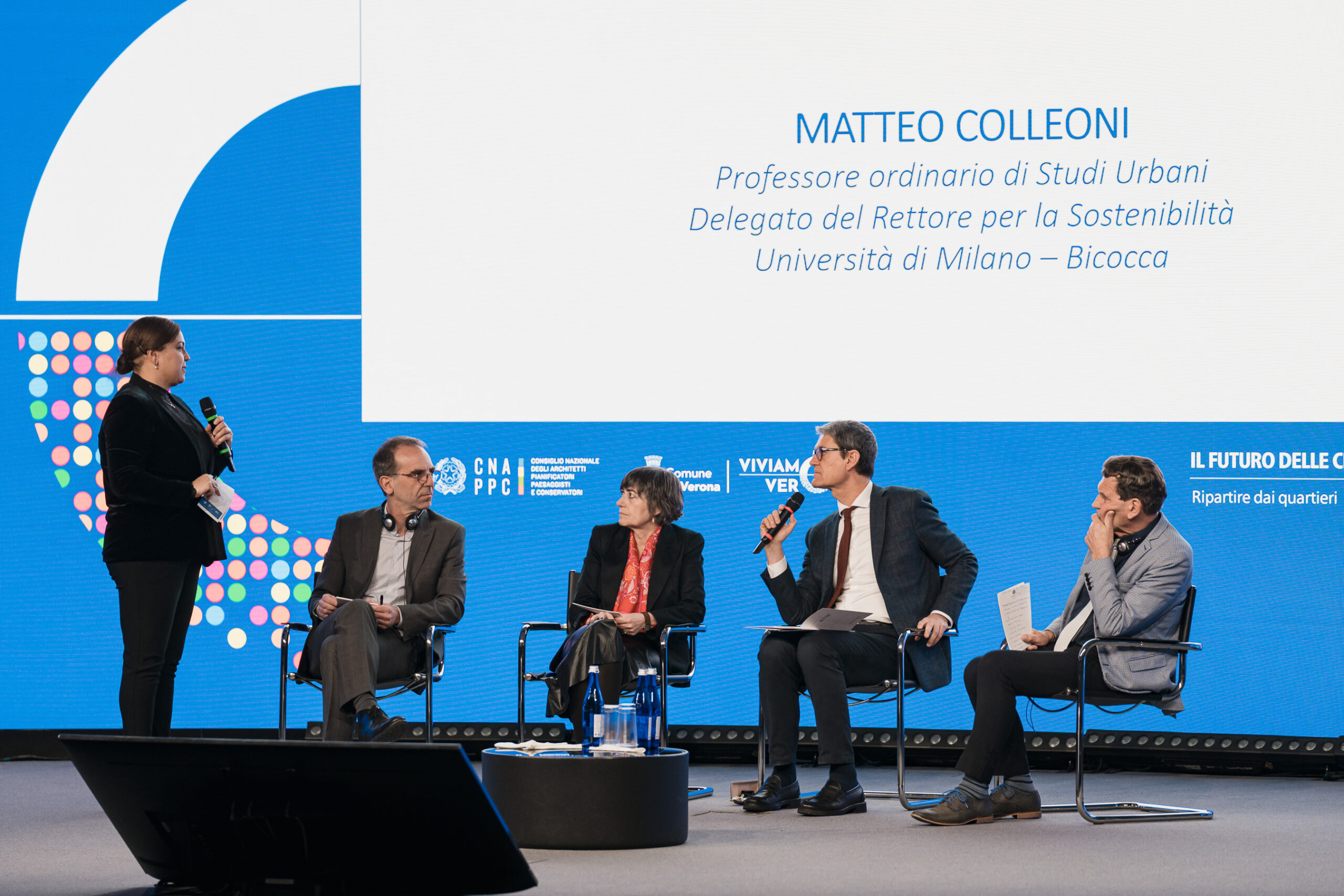
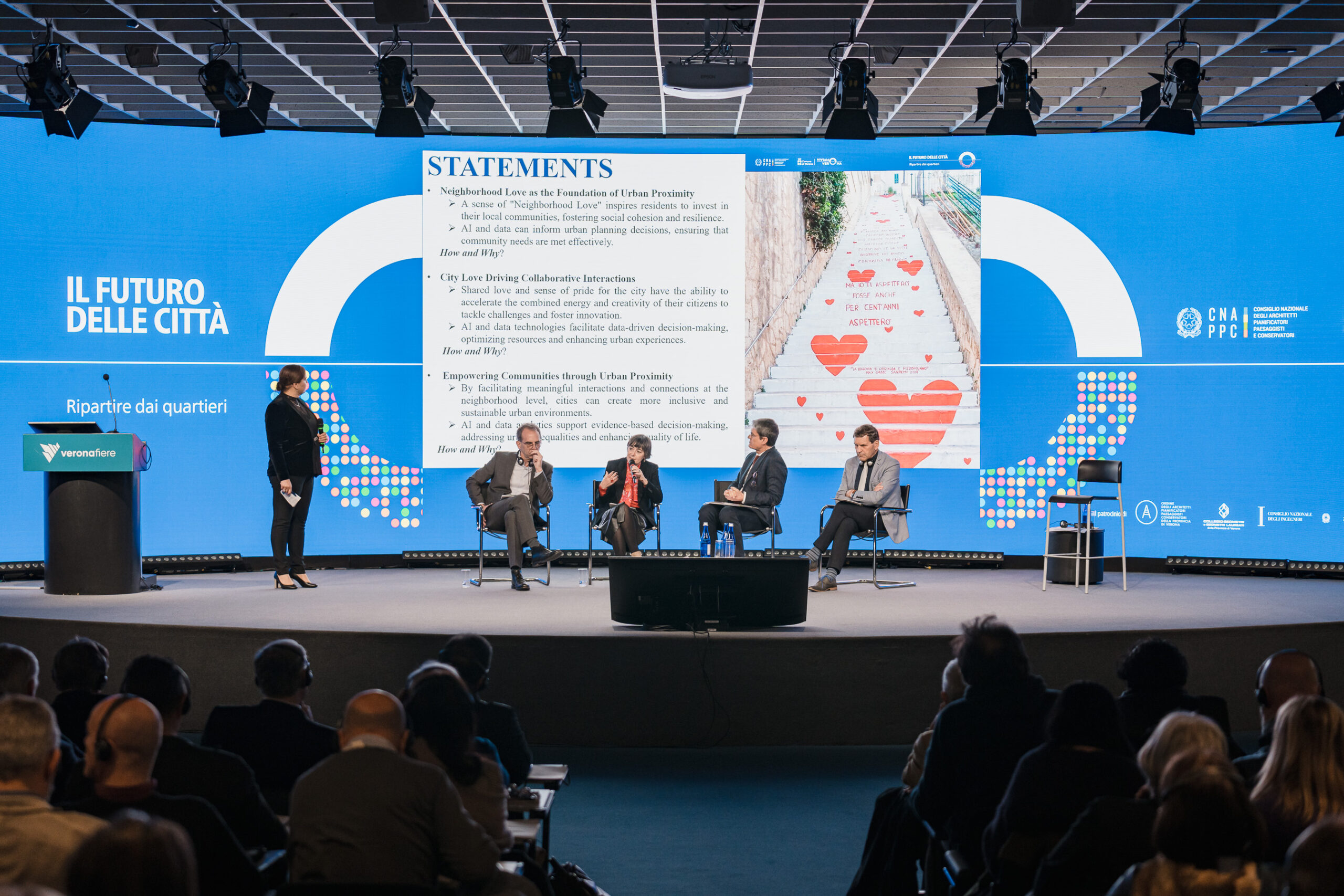
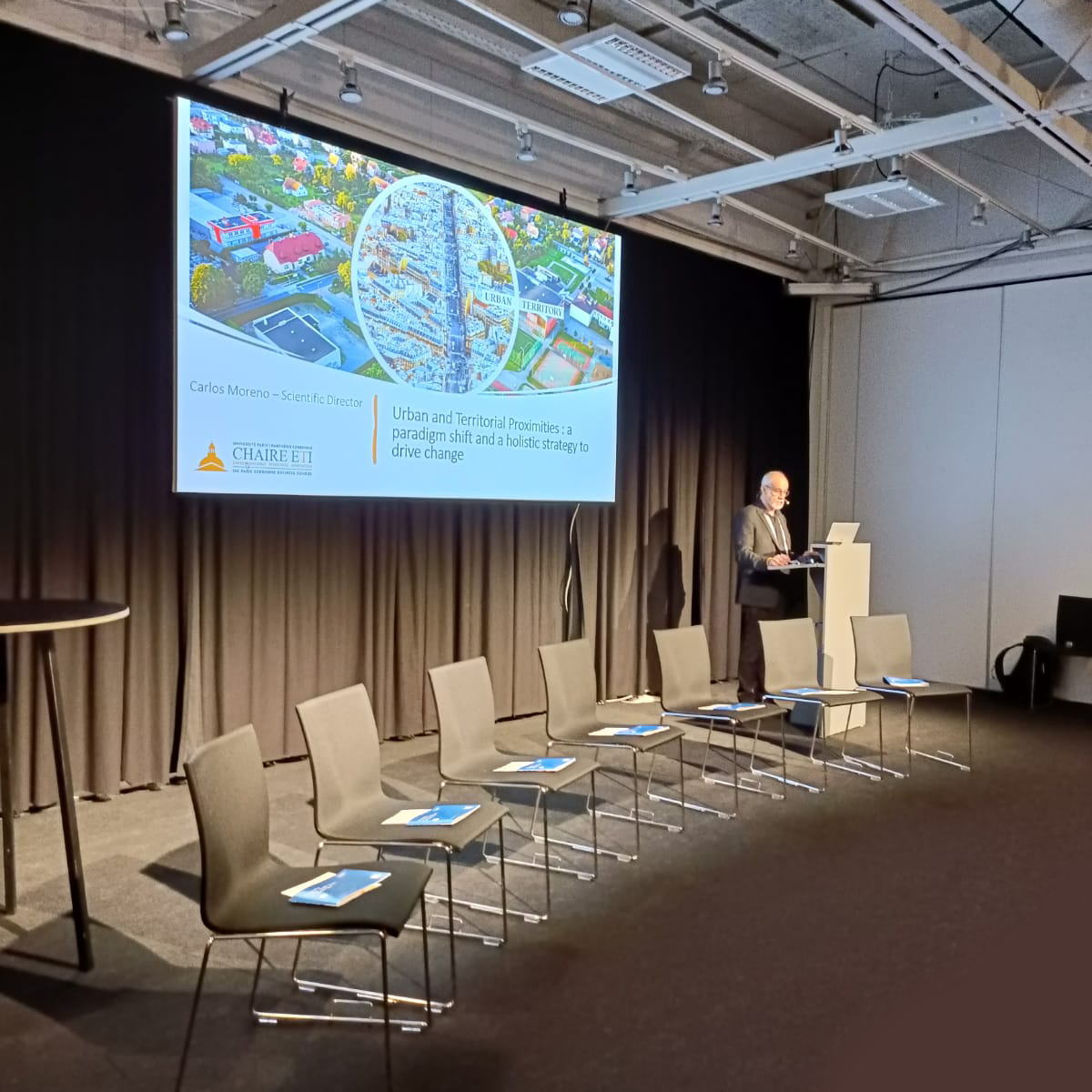
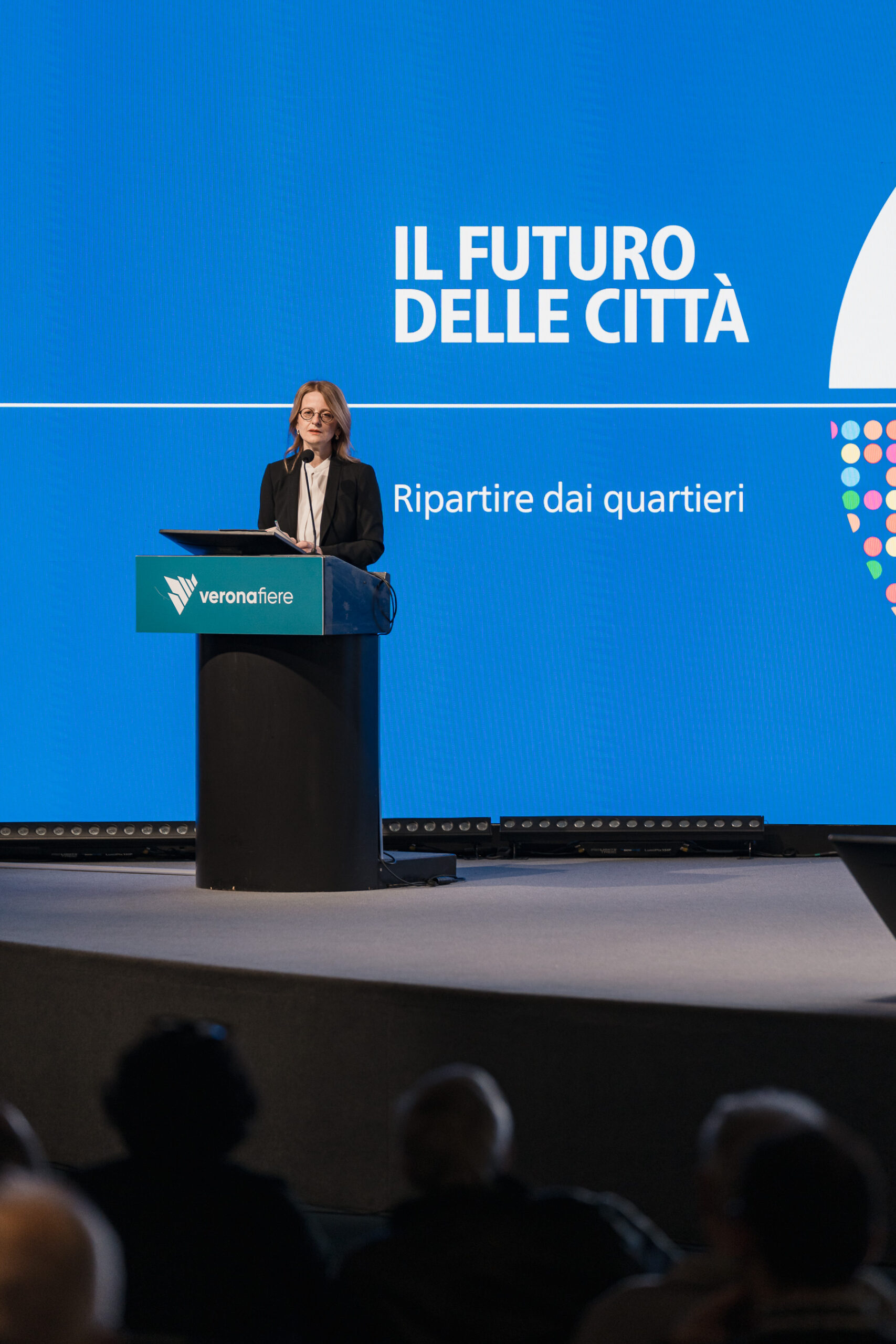
The National Council of Architects Planners Landscapers and Conservationists presented in Verona “Project for the future – what cities and territories do we want to live in?”, an initiative suggesting a series of proposals for city policy, starting from the theme of urban regeneration. The international conference brought together urban planners, administrators, professionals and businesses to discuss how to rethink territories in a sustainable and inclusive way. The protagonist of the event was Carlos Moreno, creator of the ‘15-minute city’, who reiterated the urgent need for urban models that are closer to people, resilient and with a low environmental impact. Verona confirmed its status as a pilot city, having embarked on a participatory process to review its Urban Master Plan. A Memorandum of Understanding between CNAPPC and DARA was also presented to promote new urban policies. Deputy Mayor Bissoli focused on the most vulnerable, particularly young people, women and people with disabilities. Among the principles that emerged were proximity, accessibility, ecology and participation.

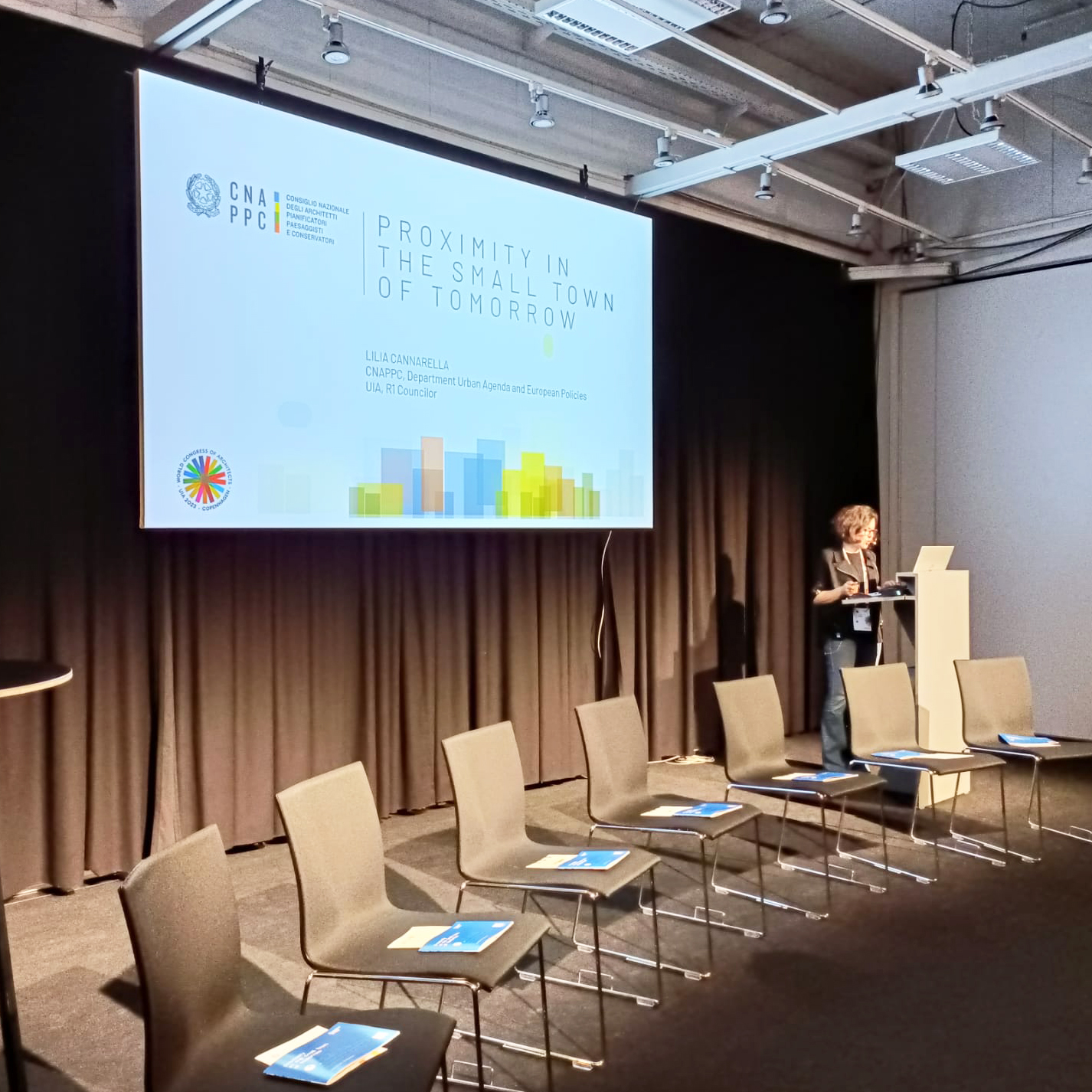
Proximity in the small town of tomorrow

Proximity in the small town of tomorrow

Side event at UIA World Congress of Architects Copenhagen 2023
July 5th, 2023 / COPENHAGEN
Read the program

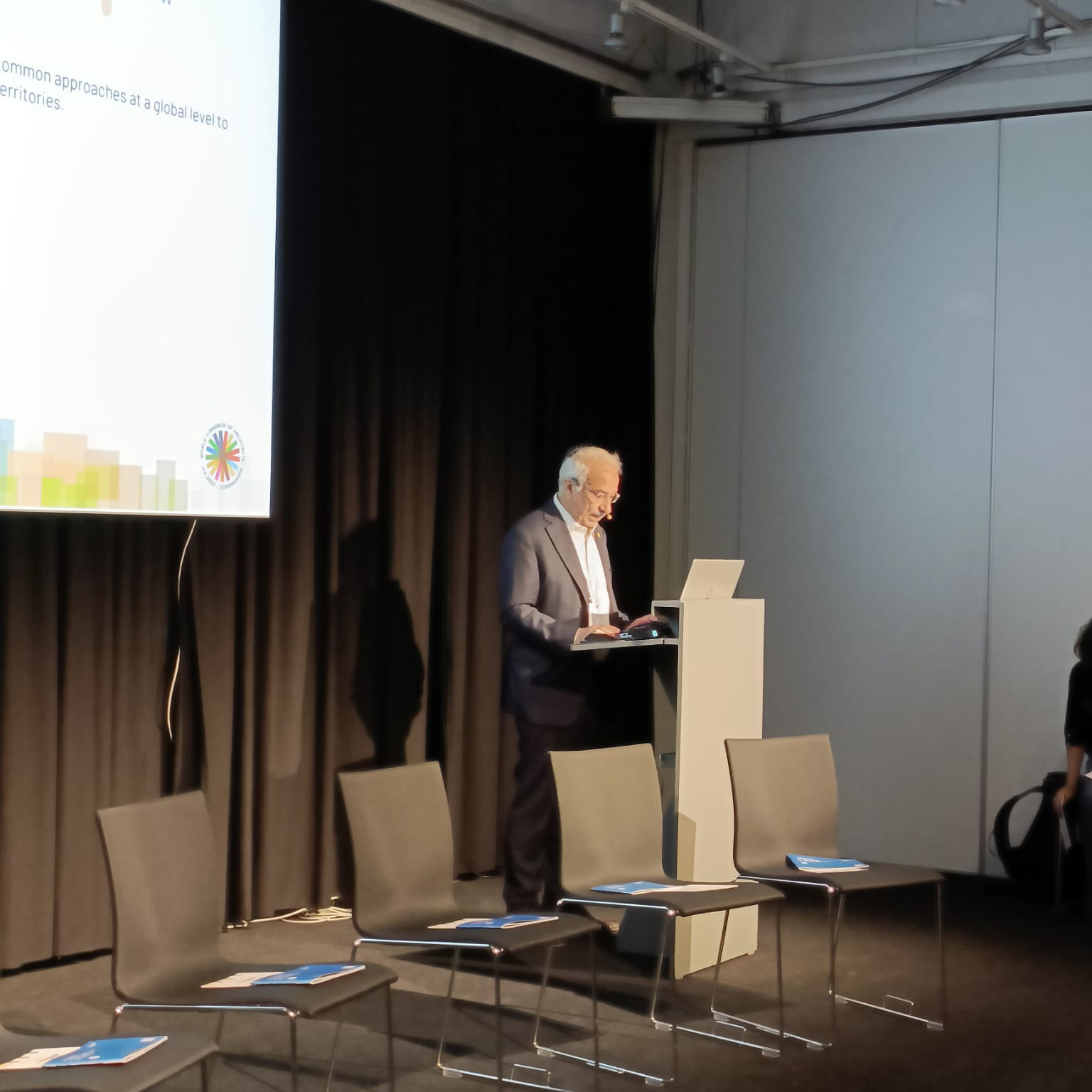
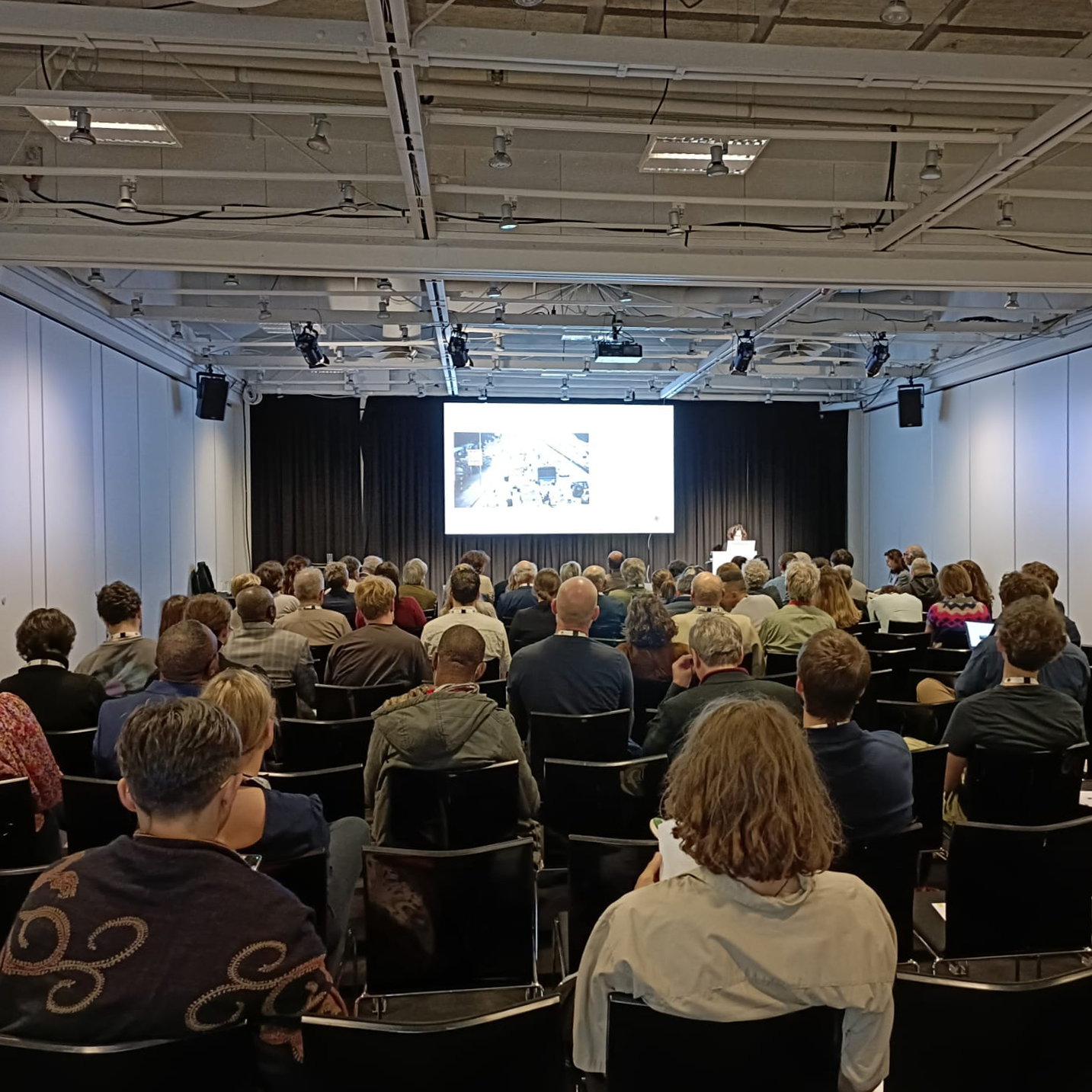
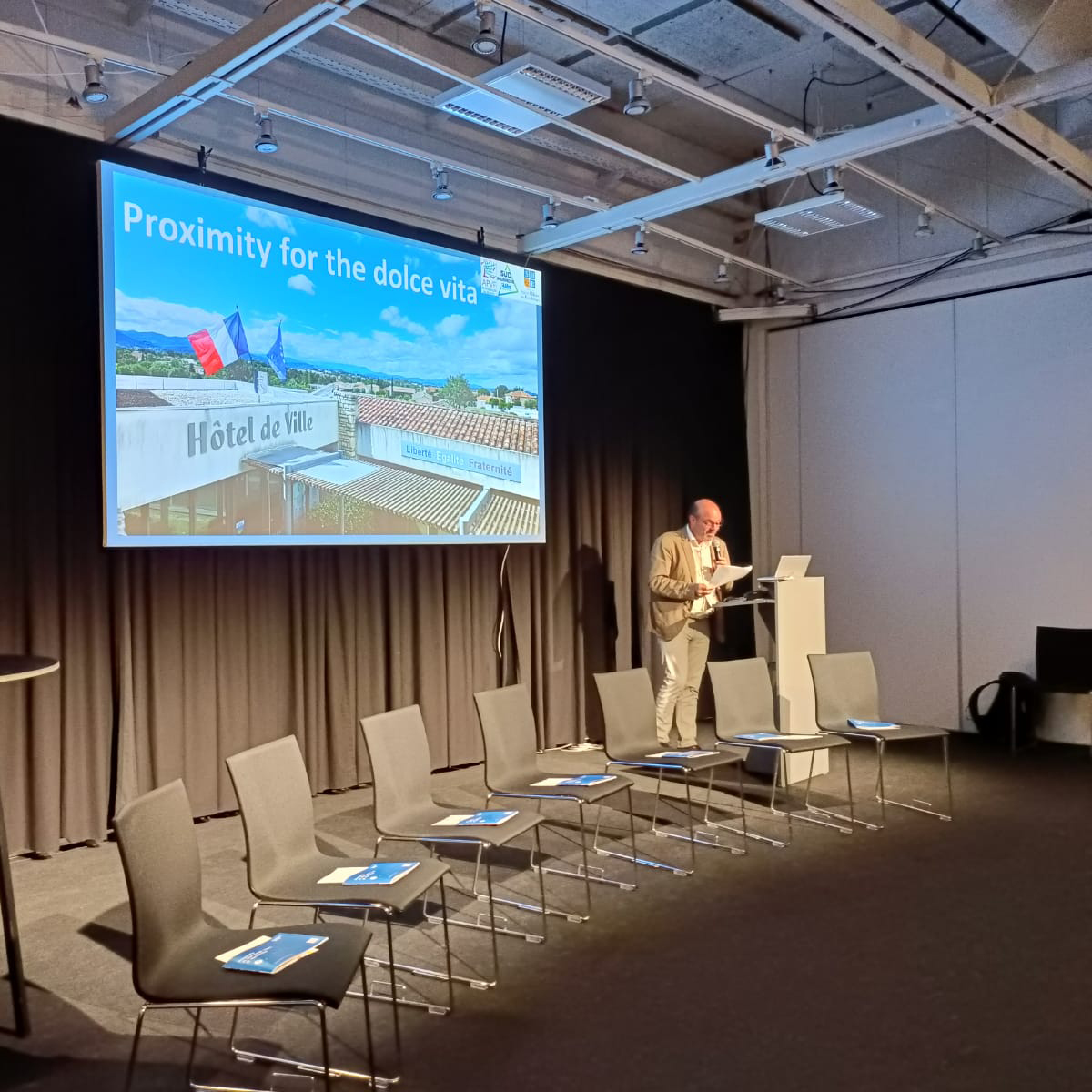
This session aimed to explore the challenges and opportunities related to the design and planning of small urban communities in the coming years. As we continue to experience rapid urbanization, small cities are becoming increasingly important. These communities offer unique opportunities for sustainable development and vibrant social interaction.
However, designing for small cities requires a different approach than designing for large metropolitan areas.
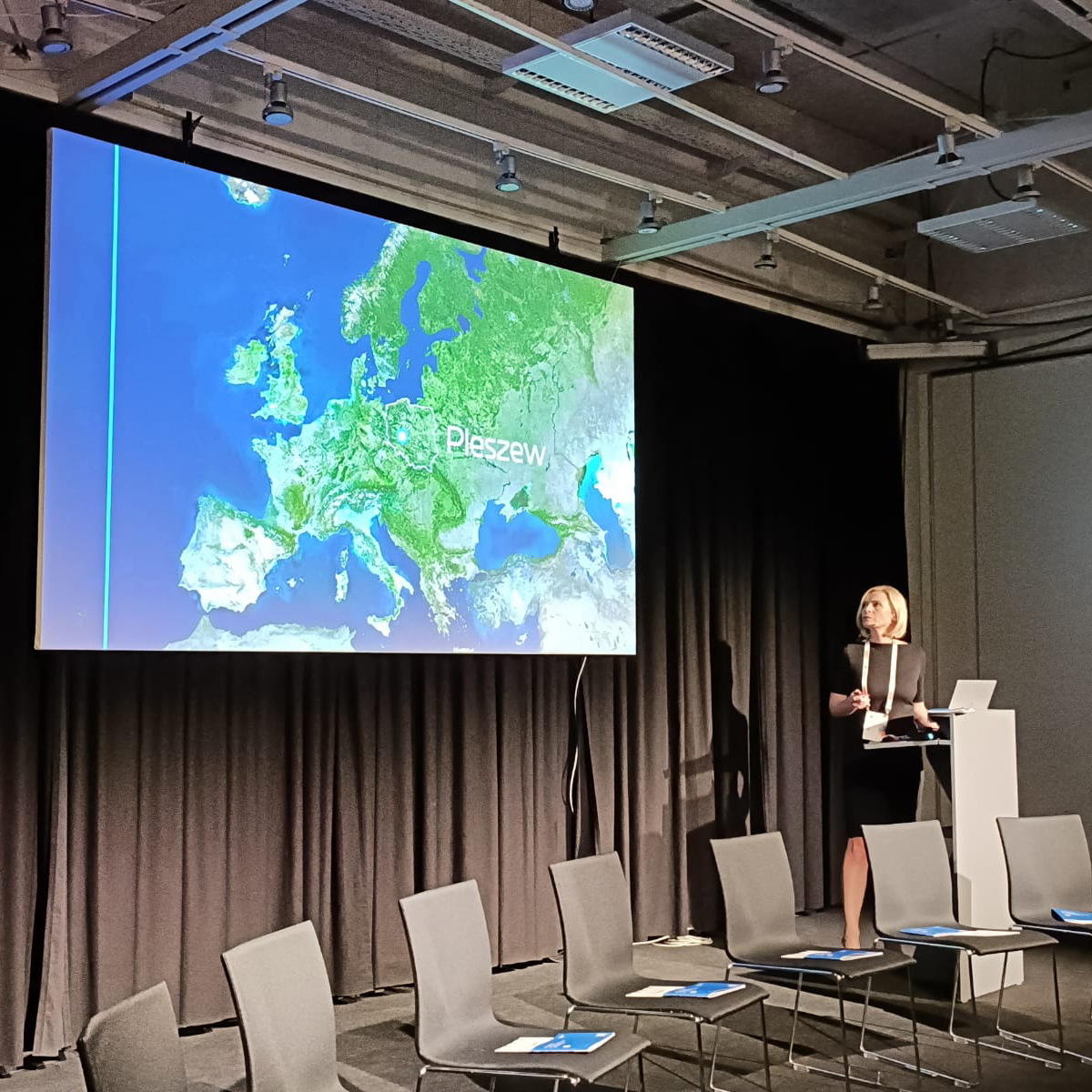
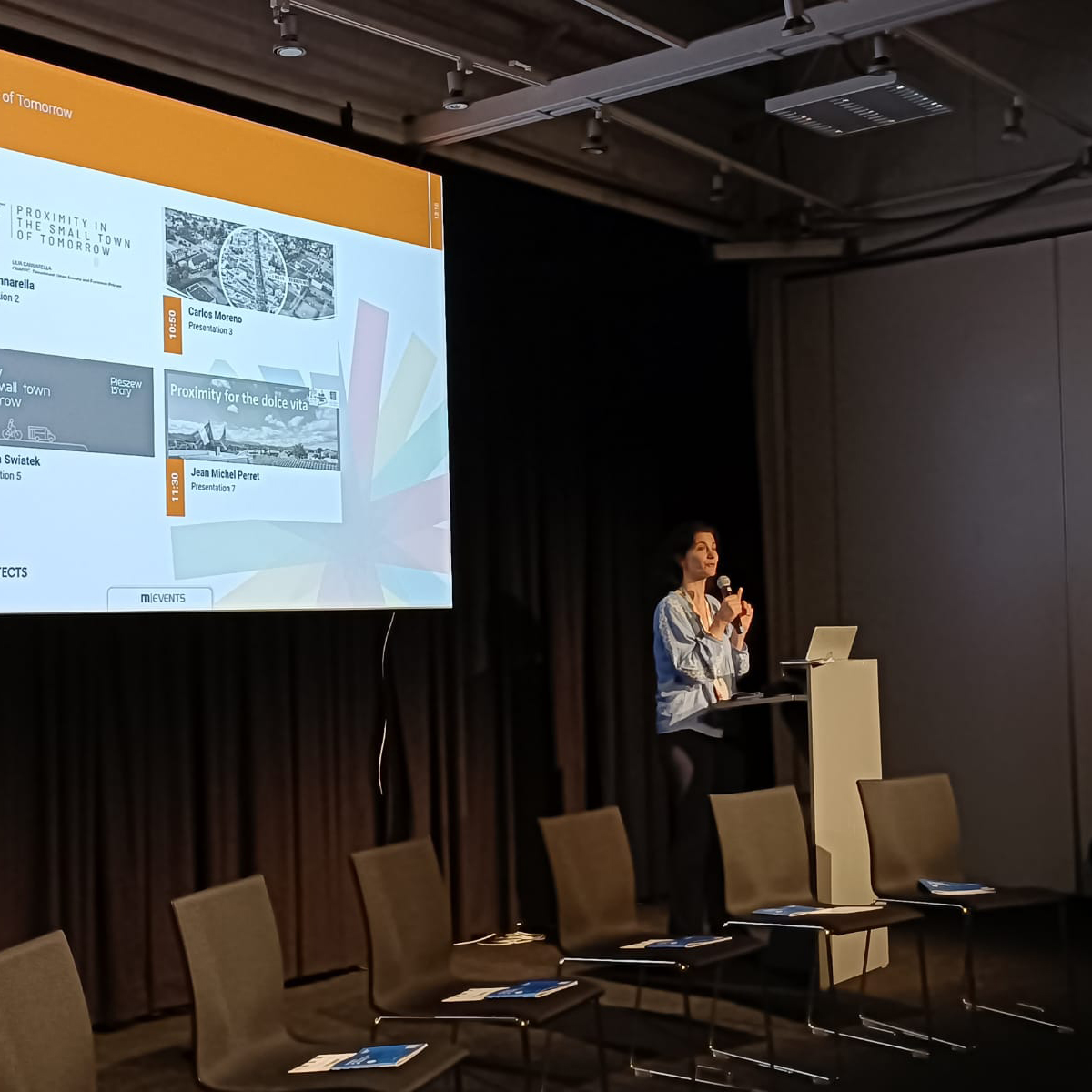
In this session we discussed strategies for developing proximity in small cities as a lever for transfor-mation. We examined international case studies, considering the 15-minute city concept, the “happy proximity” including successful examples of walkable and bikeable neighborhoods, mixed-use developments, and innovative public spaces.
Our speakers also addressed the challenges of small-town design, such as limited resources, access to technology and lack of diverse amenities.
International exchanges play a crucial role in promoting the concept of a 15-minute city and revitalizing small towns through proximity. We believe that this session provided valuable insights and inspiration for architects, planners, landscapers, and conservationists who are involved in designing for small cities. We encouraged all participants to engage in an open dialogue and share their own experiences and ideas.