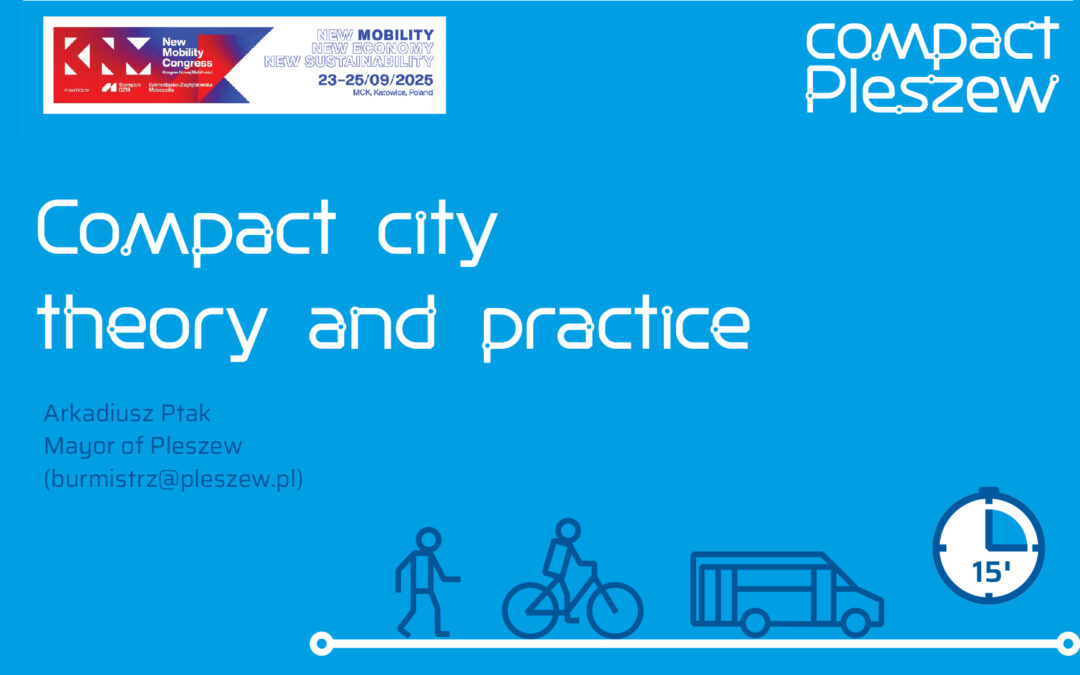
Compact Pleszew. Compact city theory and practice

Compact Pleszew. Compact city theory and practice

Compact Pleszew. Compact city theory and practice
By Arkadiusz Ptak, Mayor pf Pleszew

1. Compact city (15-minute city) – theoretical aspect
2. Pleszew – a case study of a small town
3. Key elements of building a compact city
3.1. Urban mobility
3.1.1. Public transport
3.1.2. Integrated cycling network
3.1.3. Park & Ride facilities
3.1.4. Cycling education
3.2. Green areas
3.3. Revitalization
3.4. Multi-family housing
4. Visual identity elements
5. Key conclusions for small towns

Read more

The CNAPPC and its Scientific Committee in Paris – International Conference on Urban Sustainable Proximities

The CNAPPC and its Scientific Committee in Paris – International Conference on Urban Sustainable Proximities

September 4–5, 2025

The National Council of Architects, Planners, Landscape Architects and Conservators (CNAPPC) and its Scientific Committee took an active part in the two-day International Conference on Urban Sustainable Proximities, held in Paris on September 4 and 5, 2025.

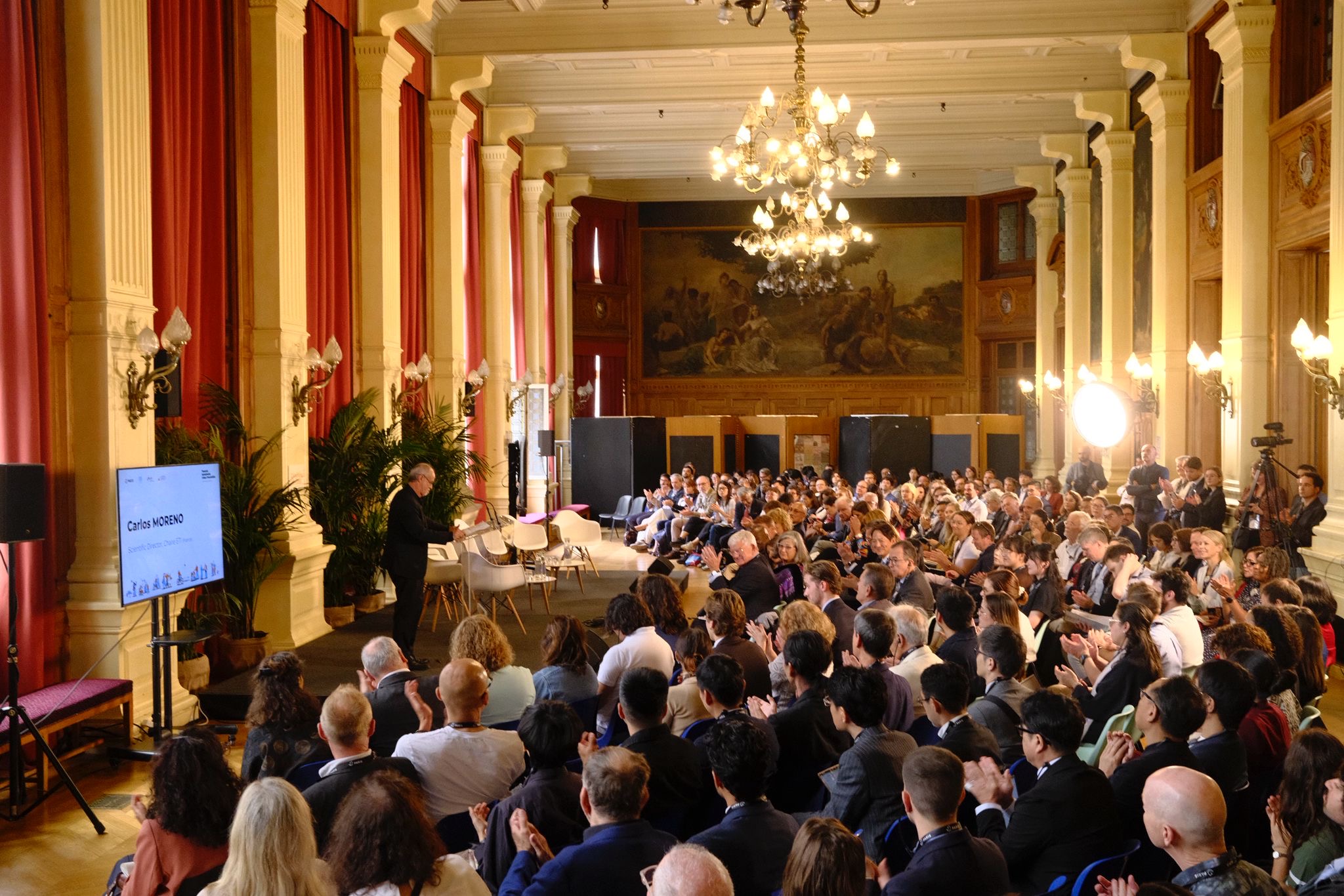
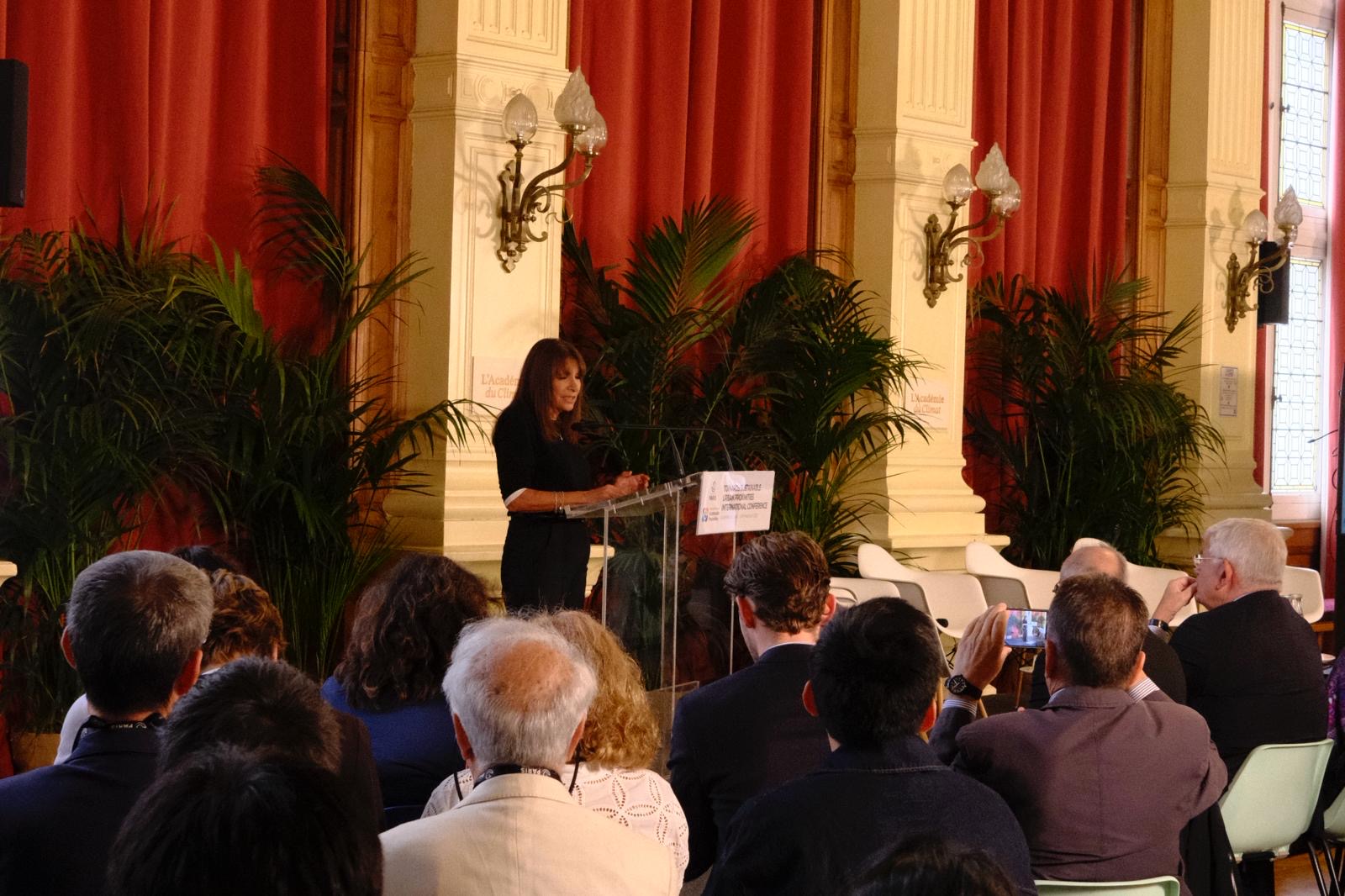
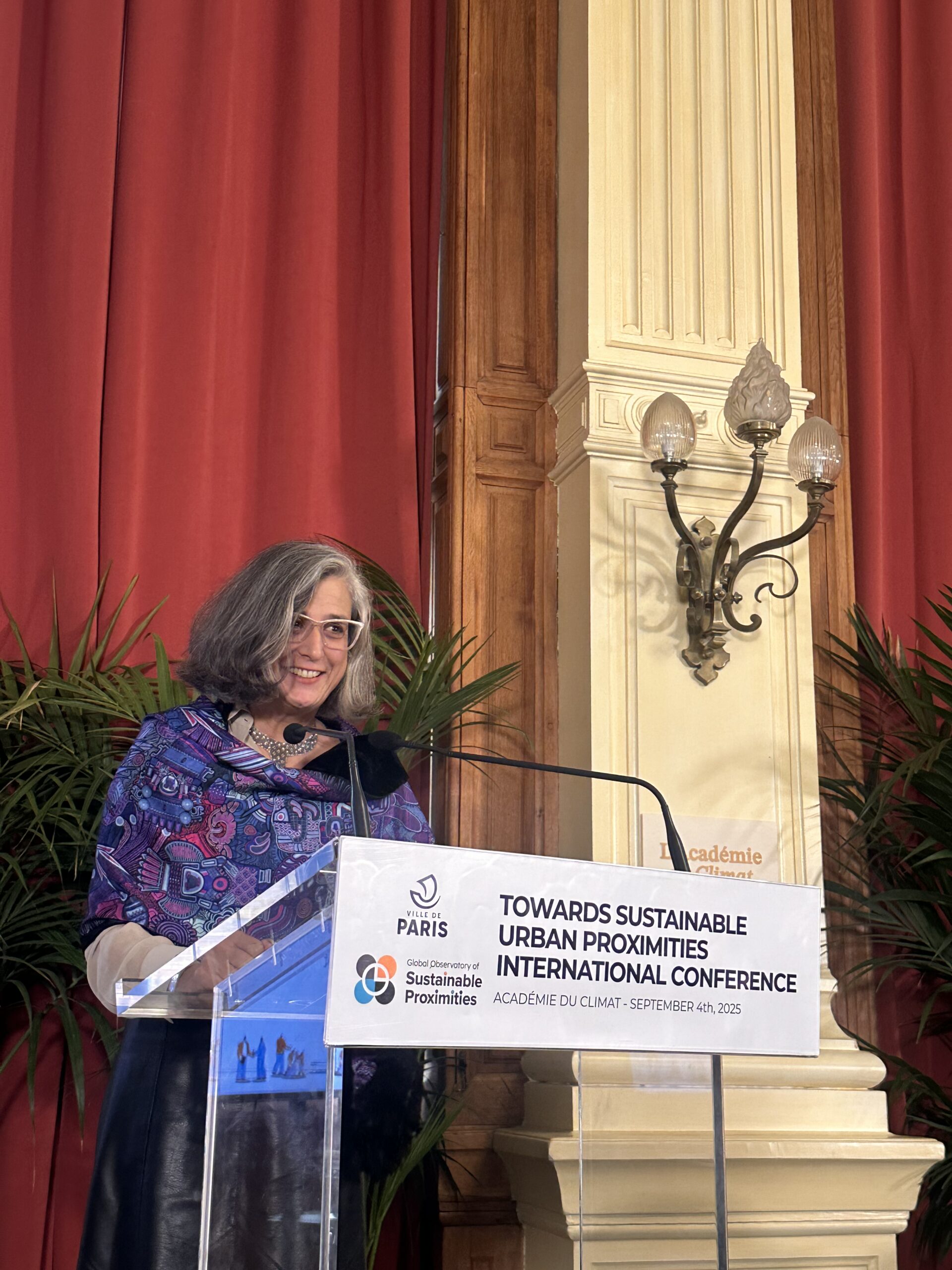
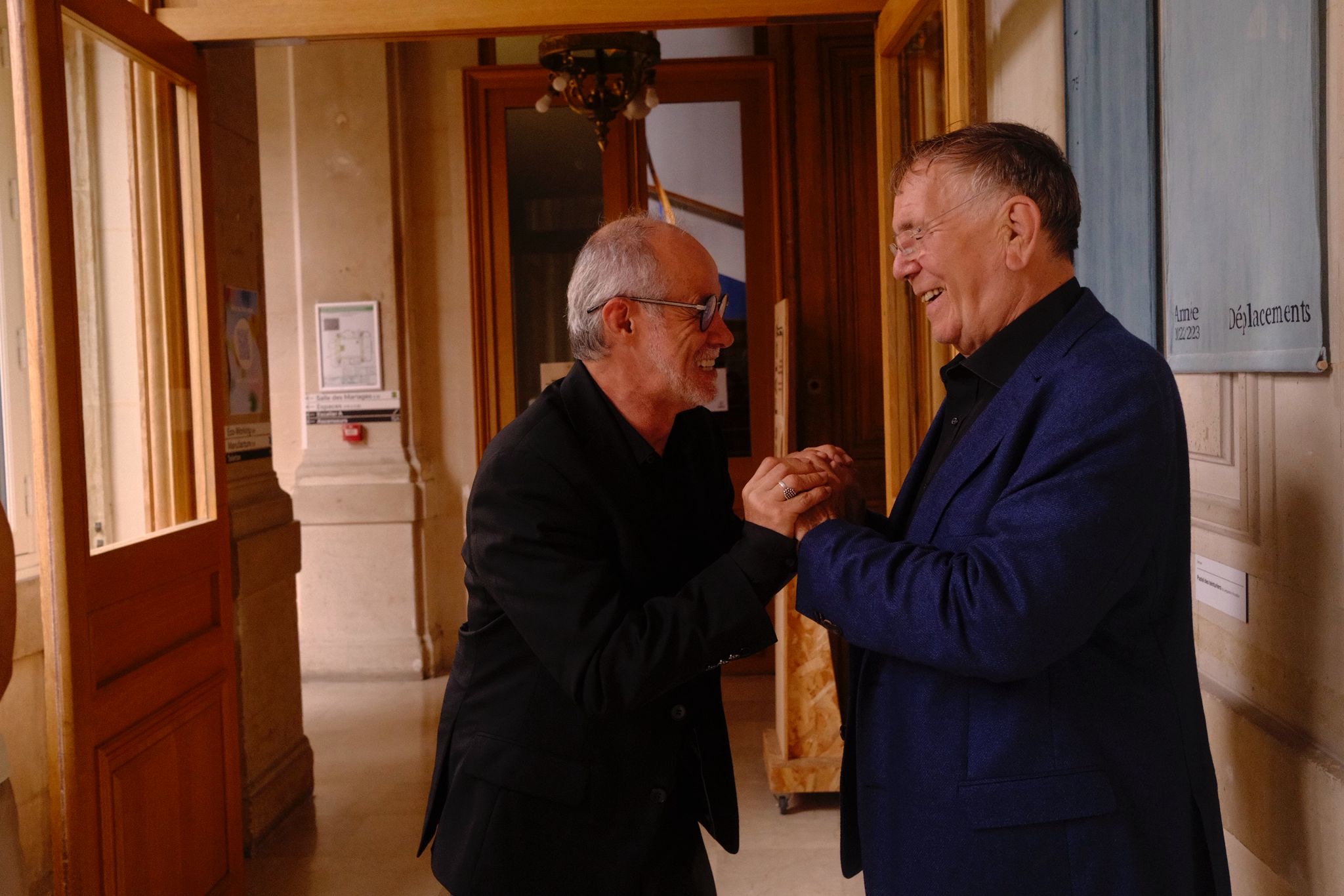
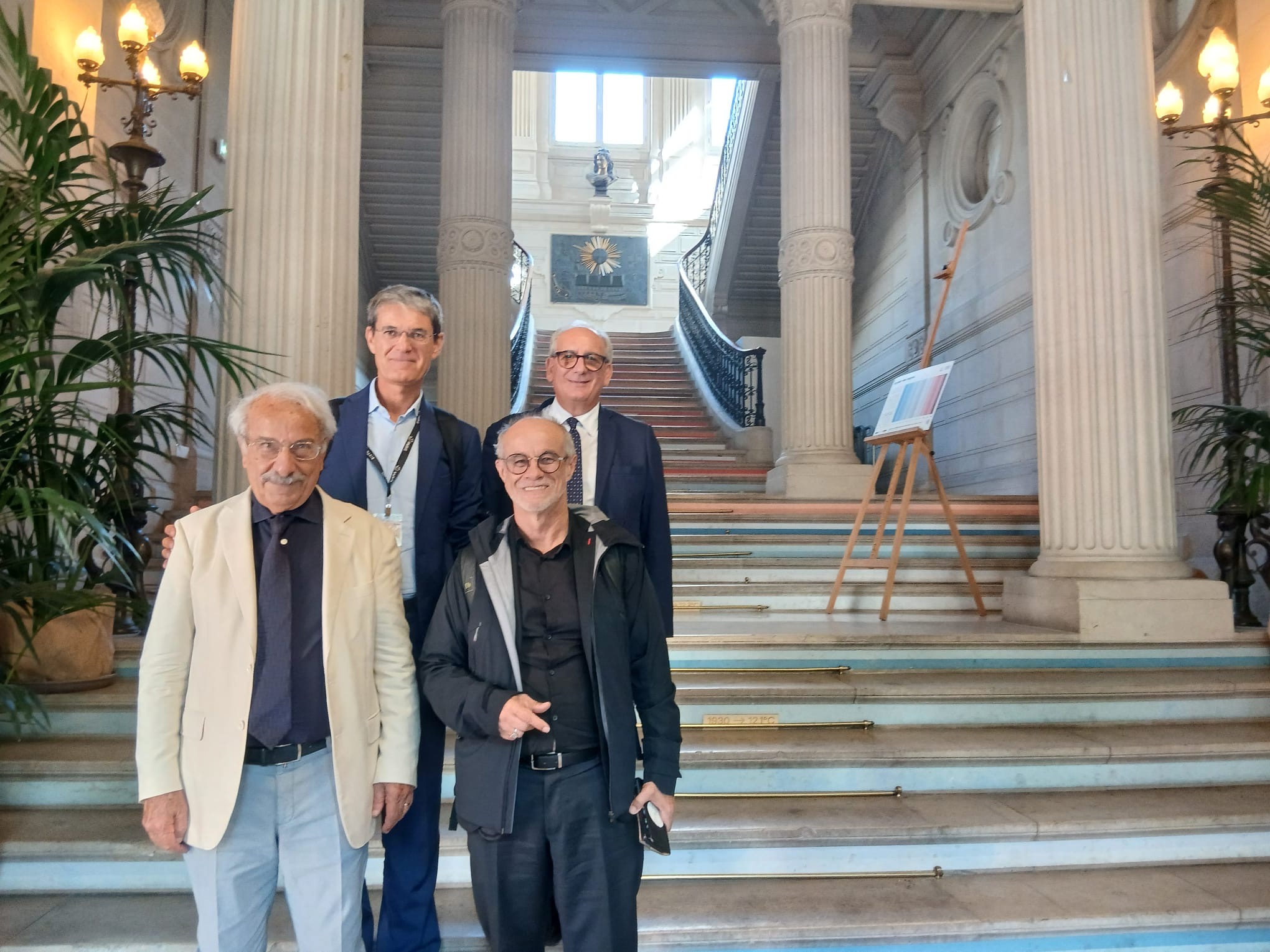
On September 4, the opening session took place at the Académie du Climat, an emblematic venue for ecological and civic transition, where new perspectives on proximity as a driver of sustainable urban transformation were discussed.

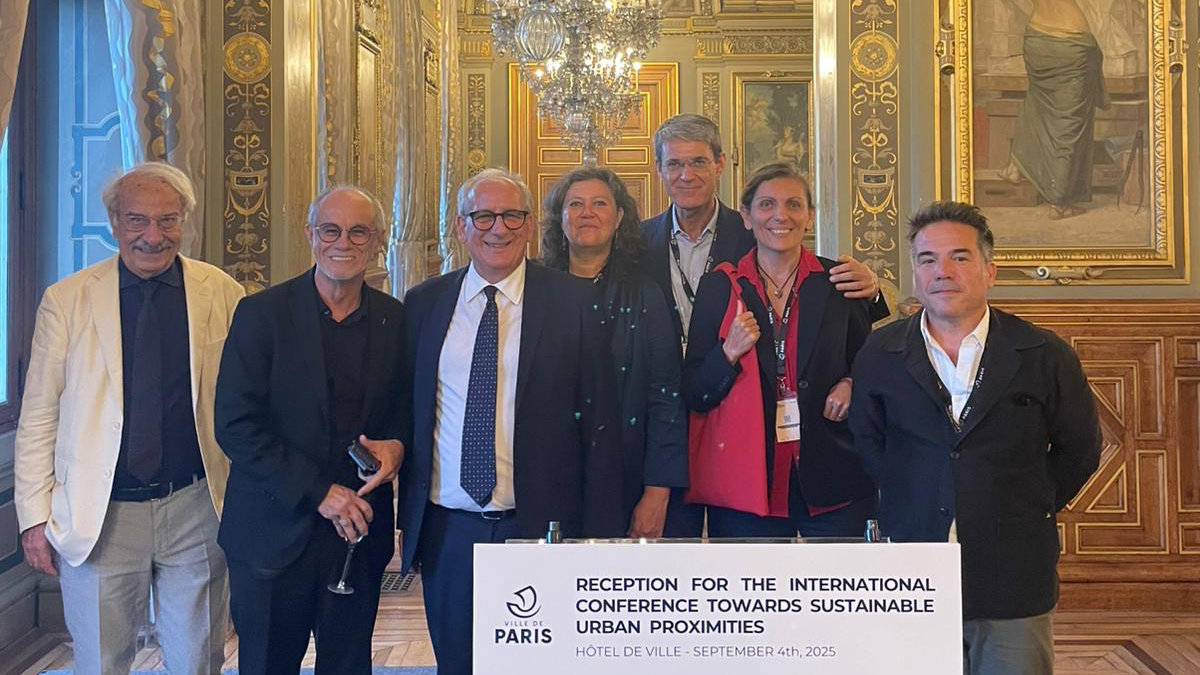
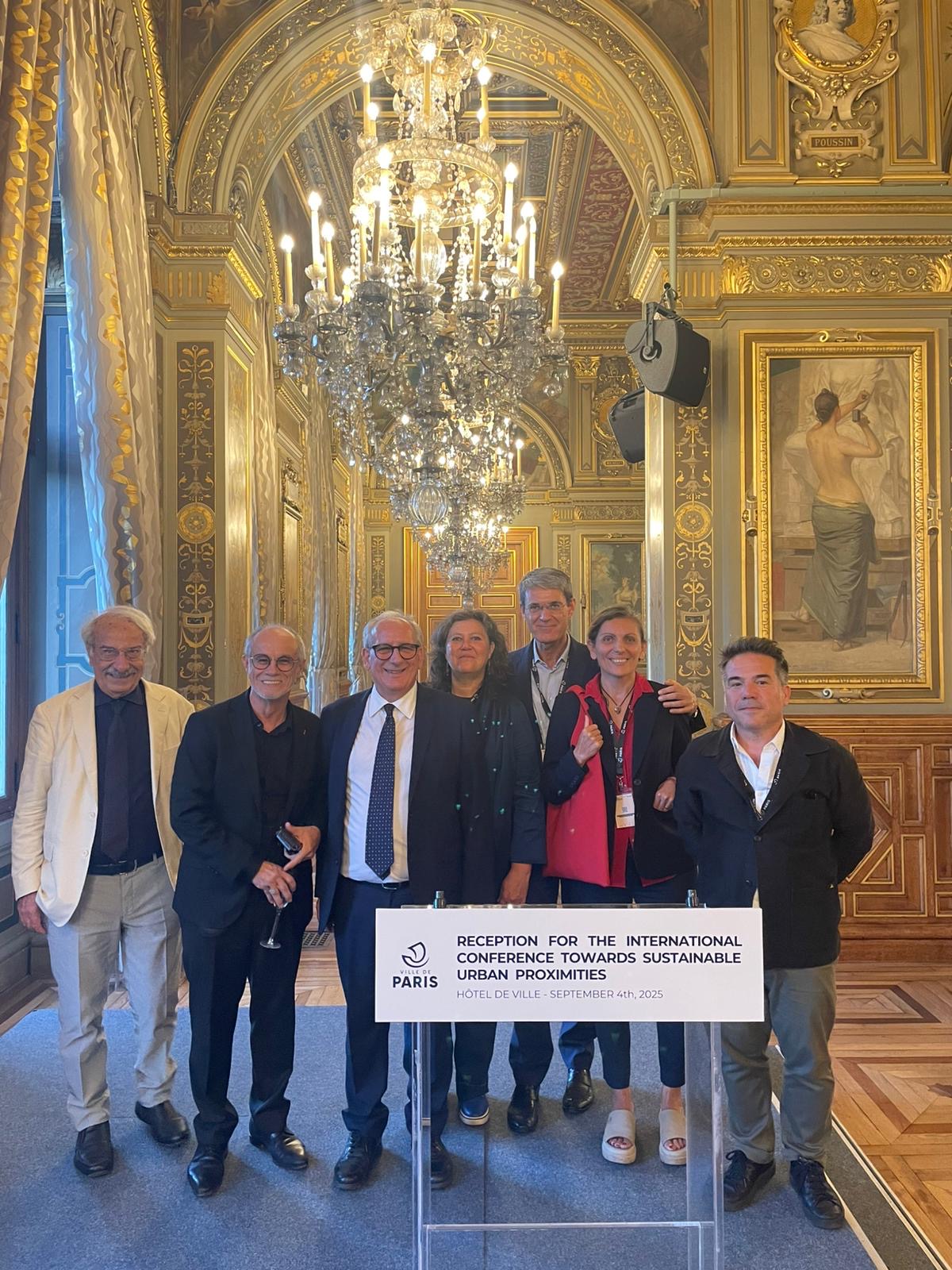
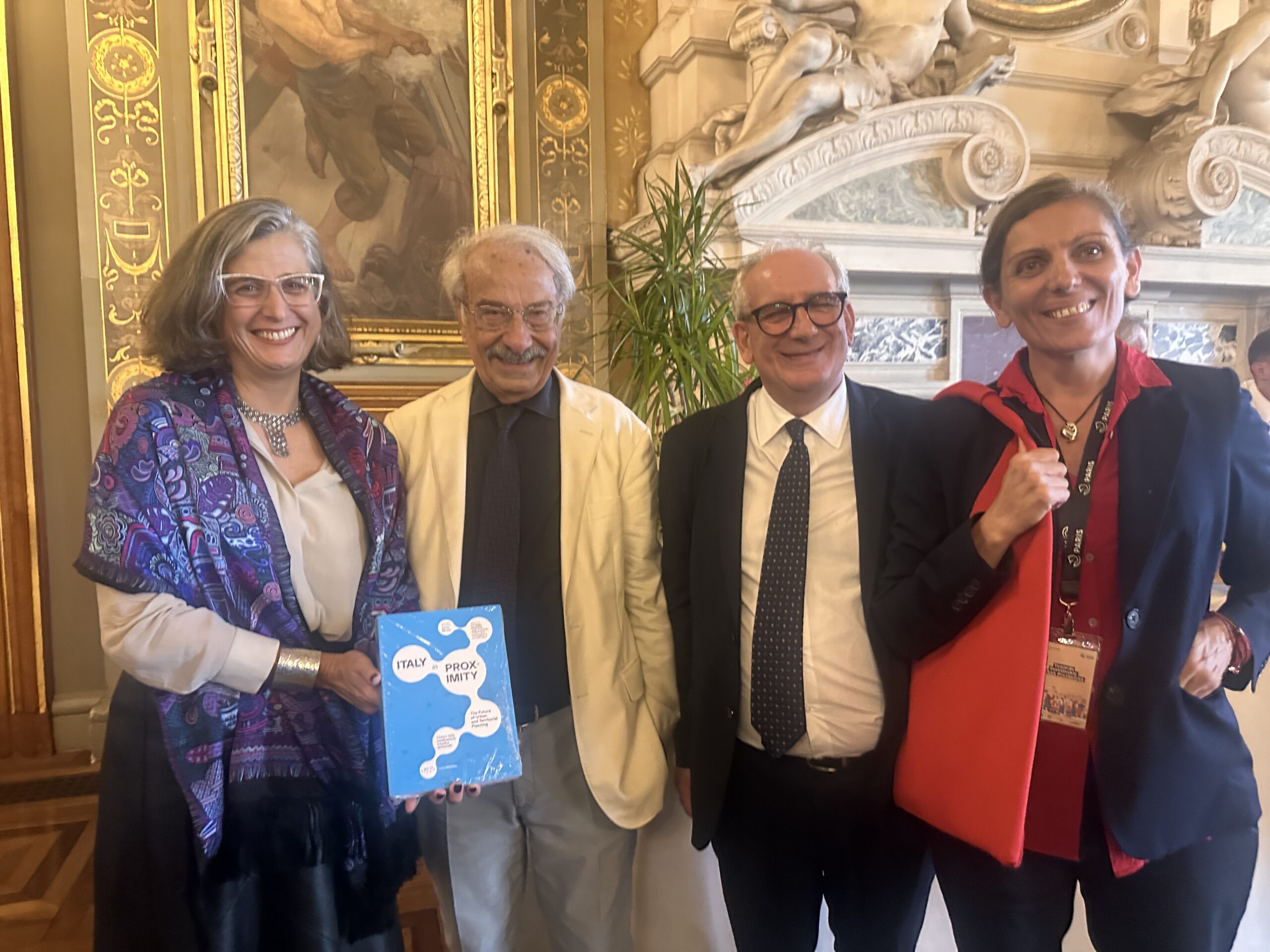
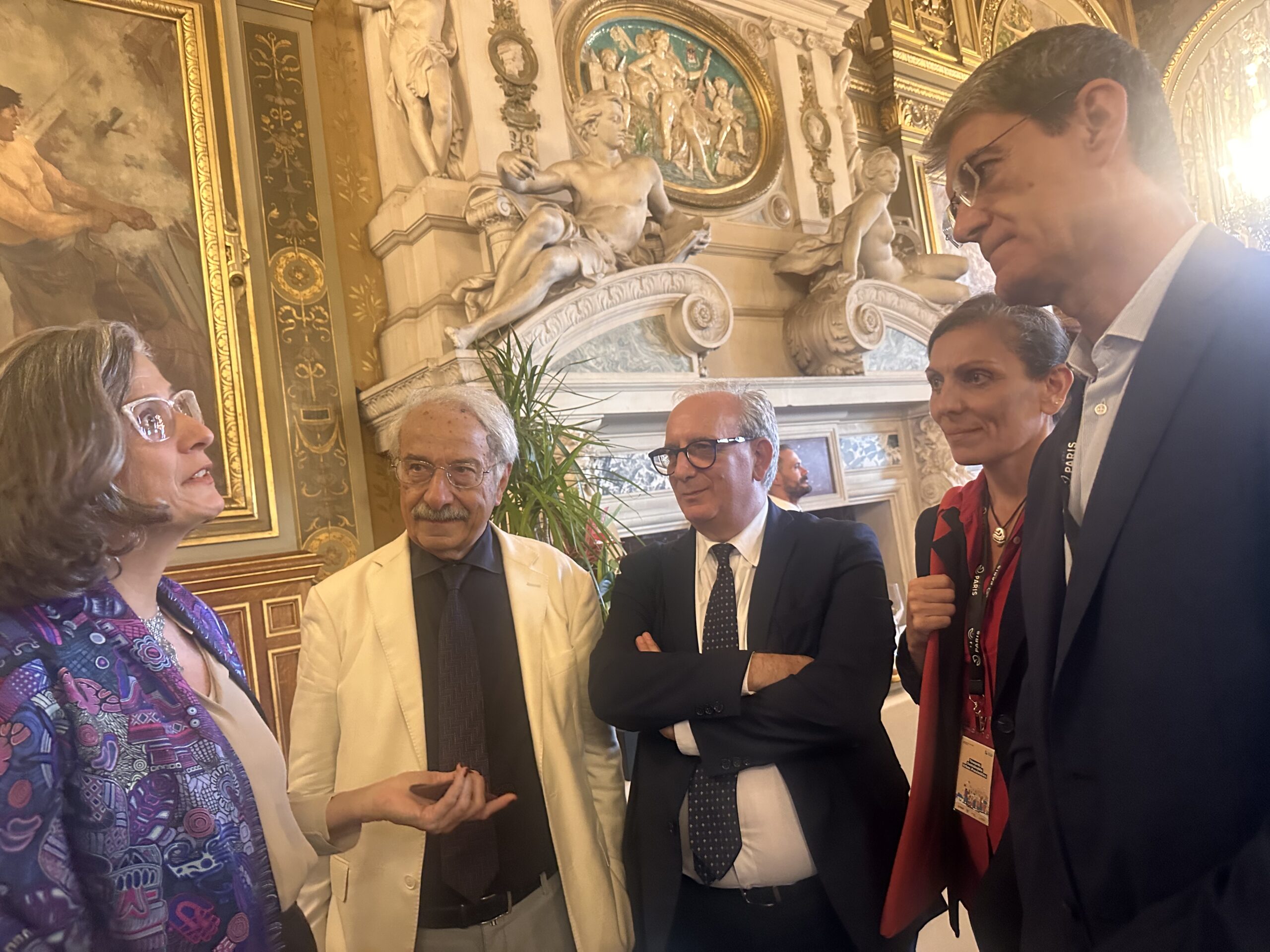
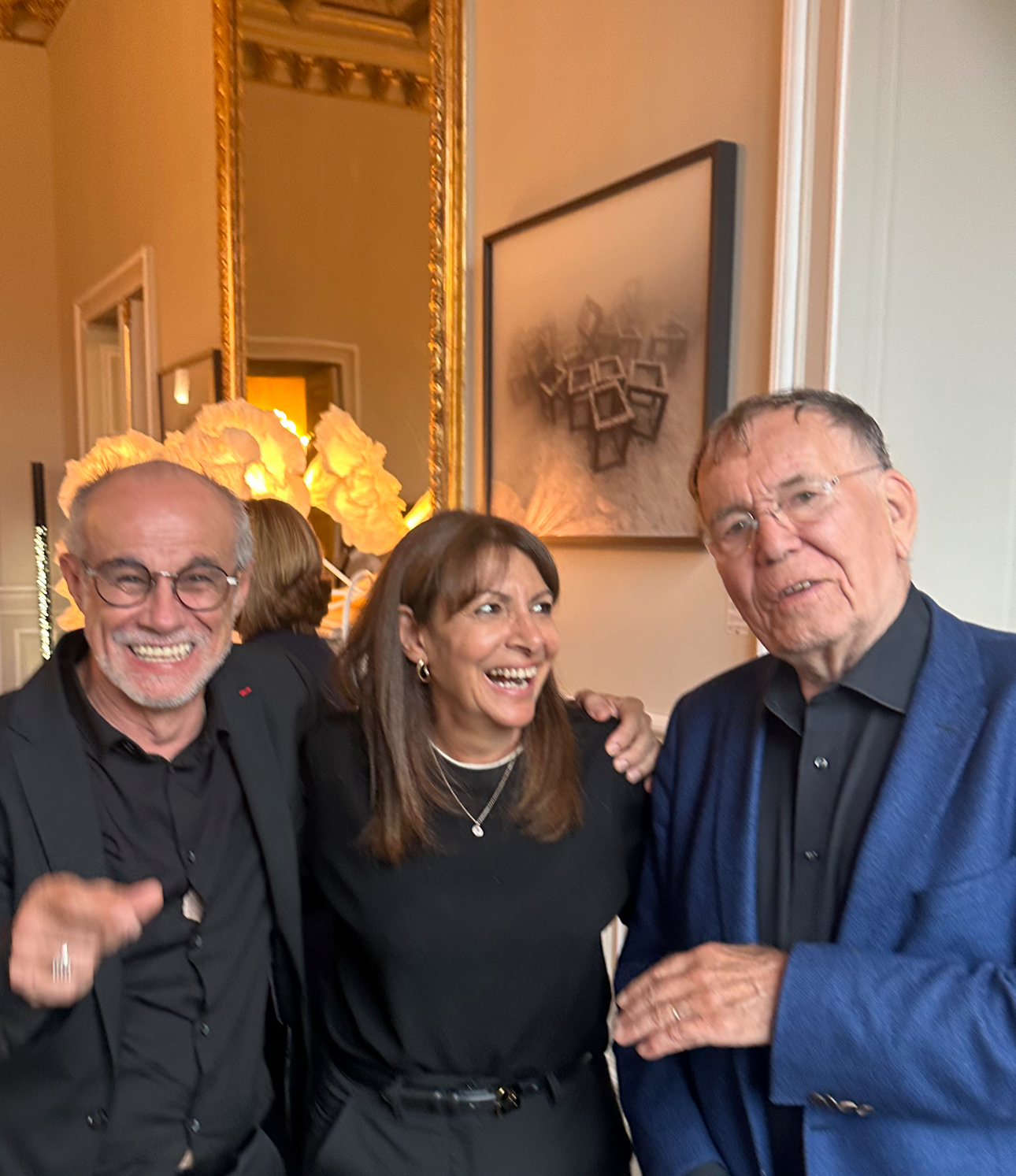
Following this event, the CNAPPC and its Scientific Committee were received at the Hôtel de Ville de Paris by Ana Claudia Rossbach, Executive Director of UN-Habitat. On this occasion, she formally invited the CNAPPC to present its Manifesto – Decalogue on Territorial Proximity at the upcoming 12th World Urban Forum in Baku.

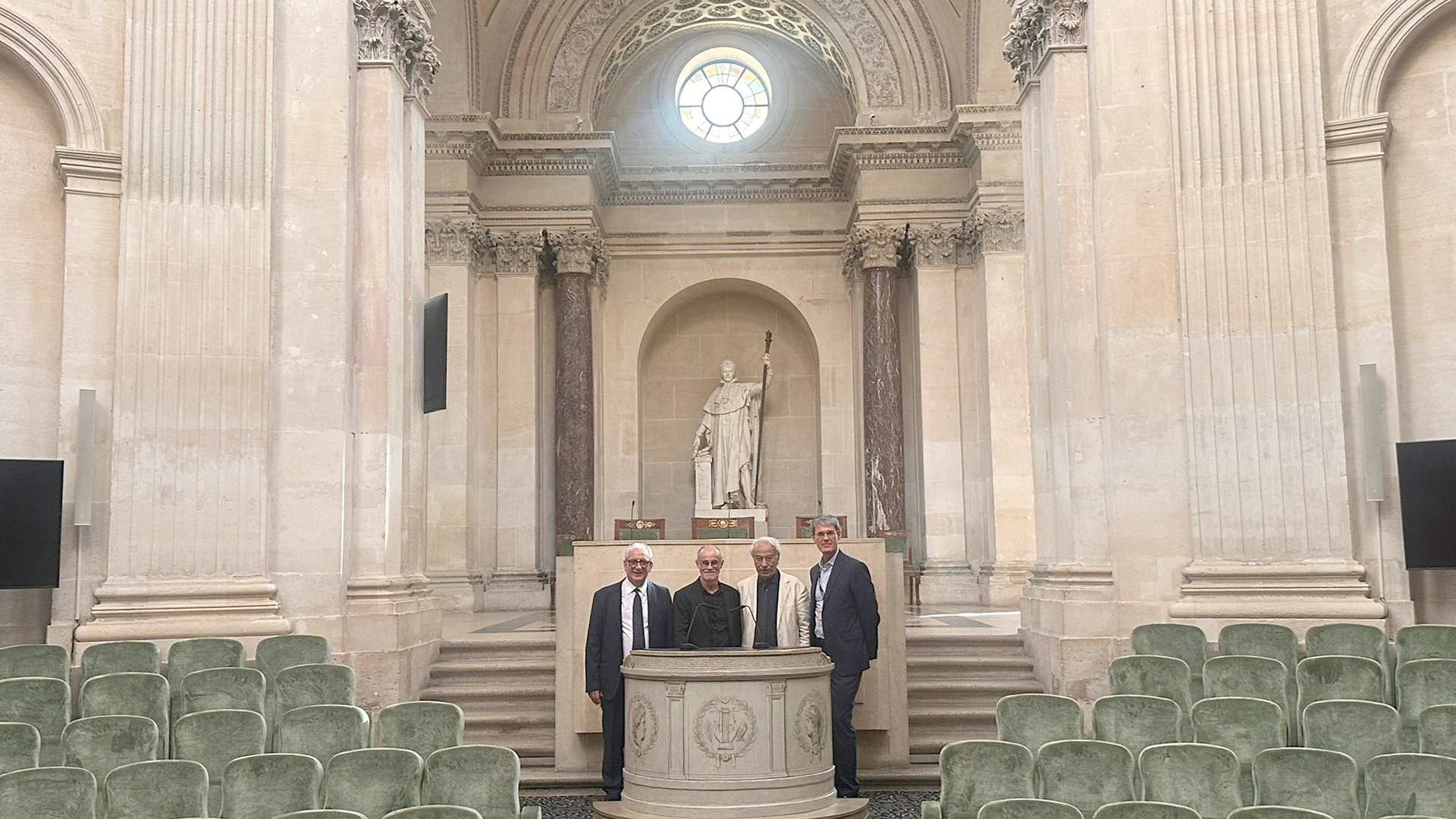
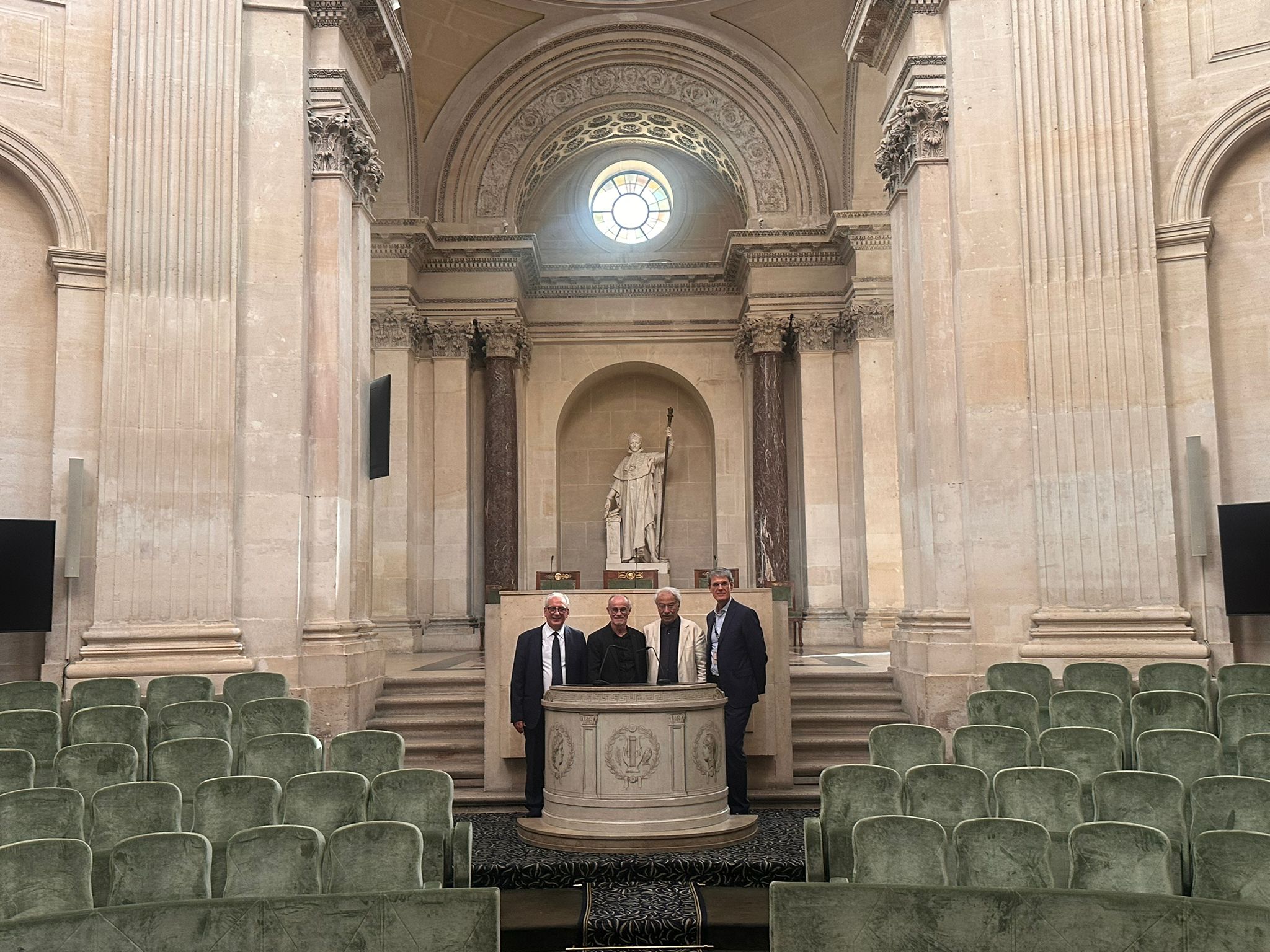
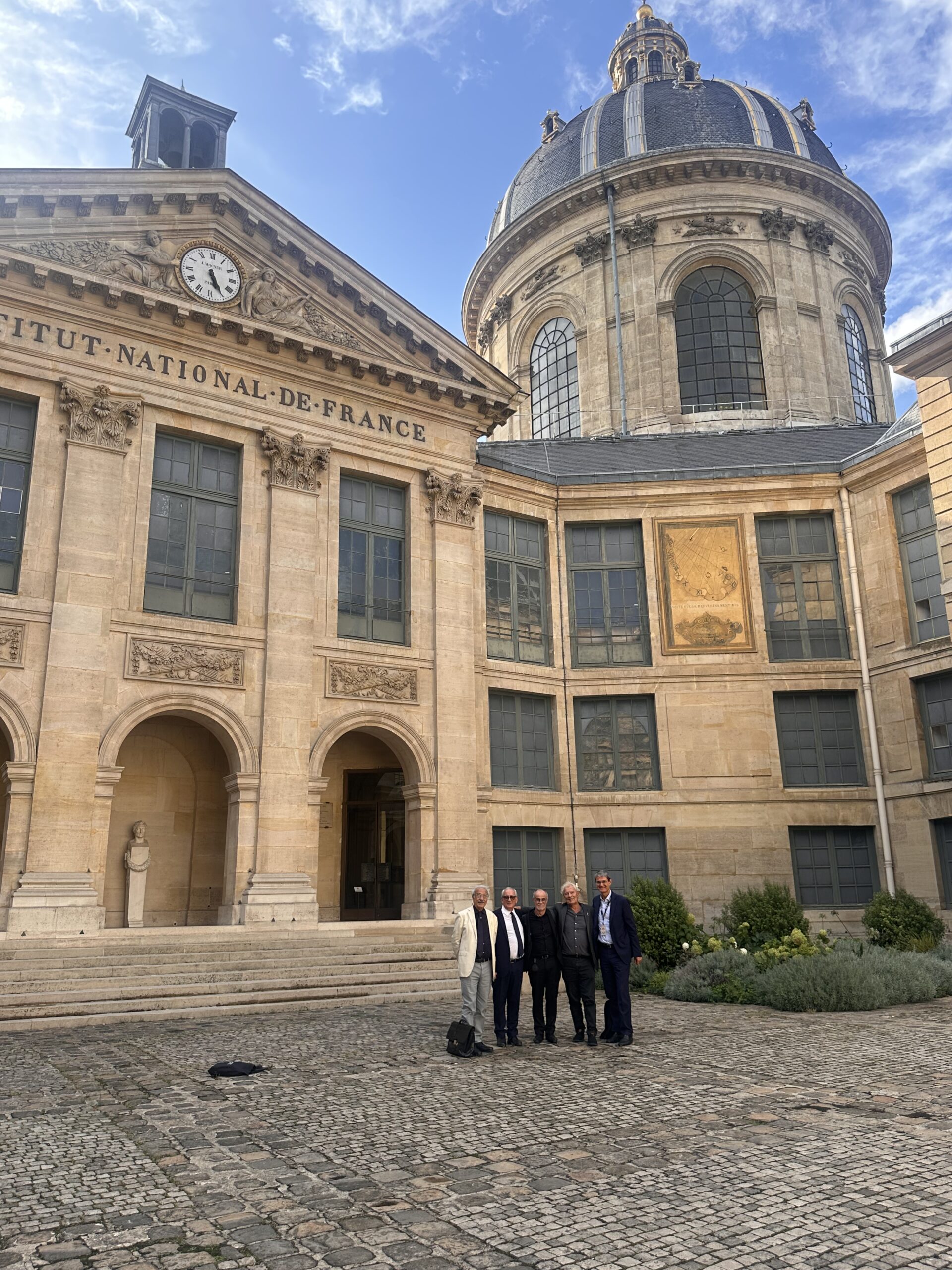
Later in the afternoon, a meeting was held in the prestigious setting of the Institut de France with academician Jacques Rougerie, the renowned architect and oceanographer, who laid the groundwork for future cooperation with the Académie des Beaux-Arts and the Fondation Jacques Rougerie. As a reminder, the Villa Medici in Rome – a historic hub of creation and cultural exchange – also falls under the auspices of the Institut de France and its Académie des Beaux-Arts.
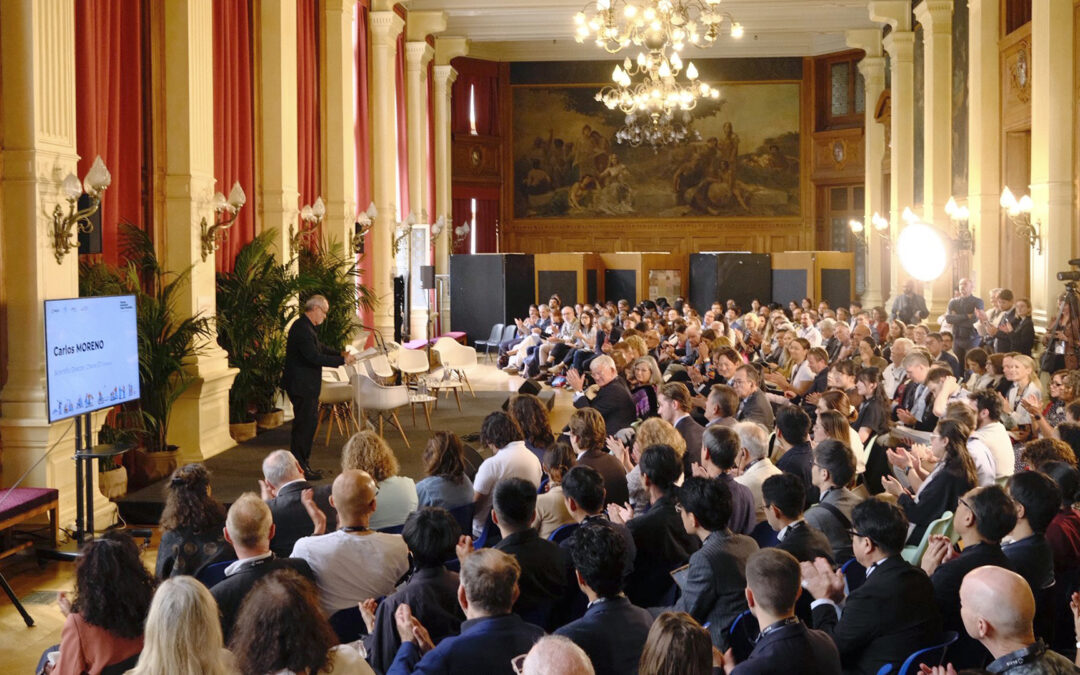
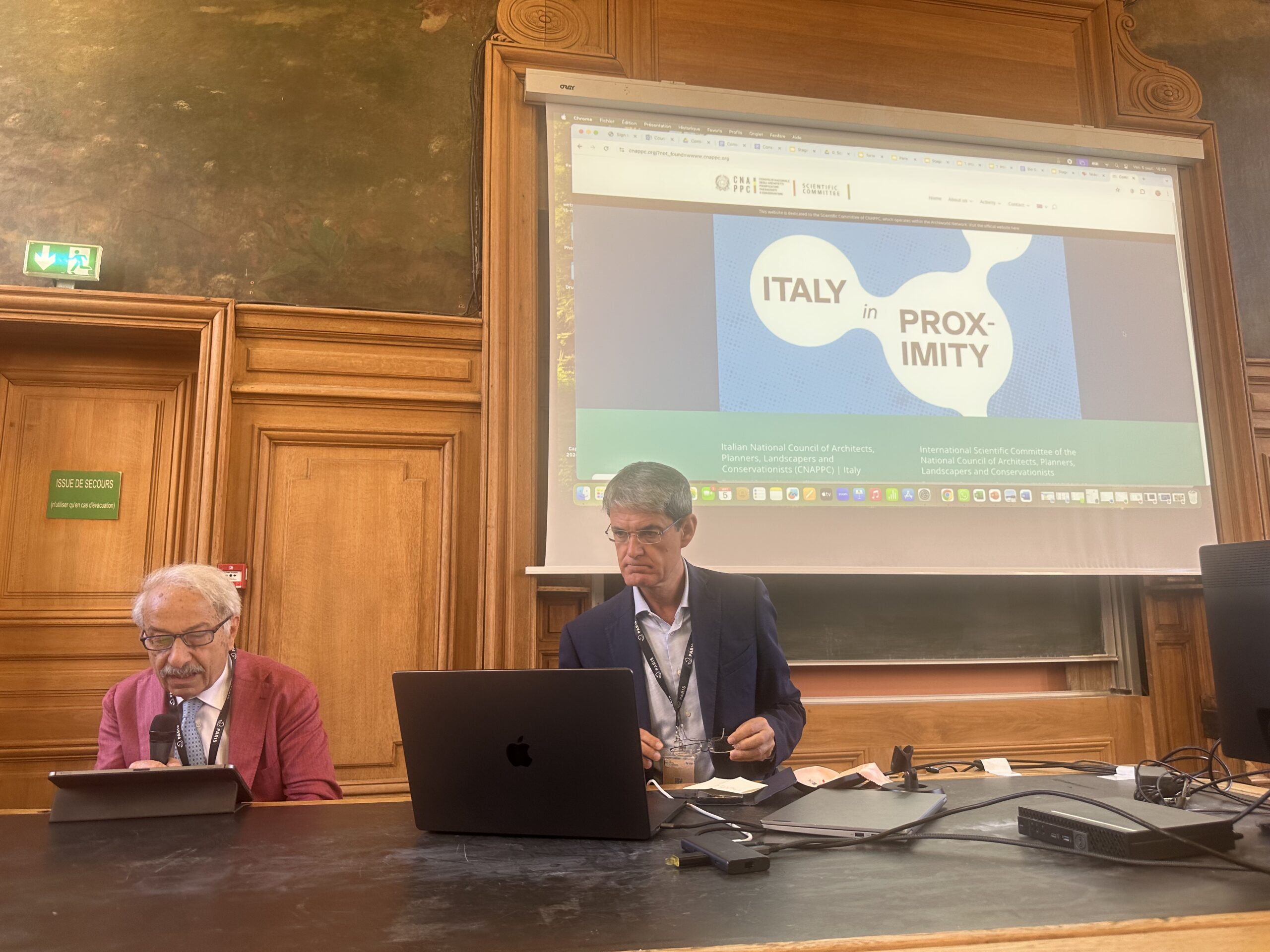
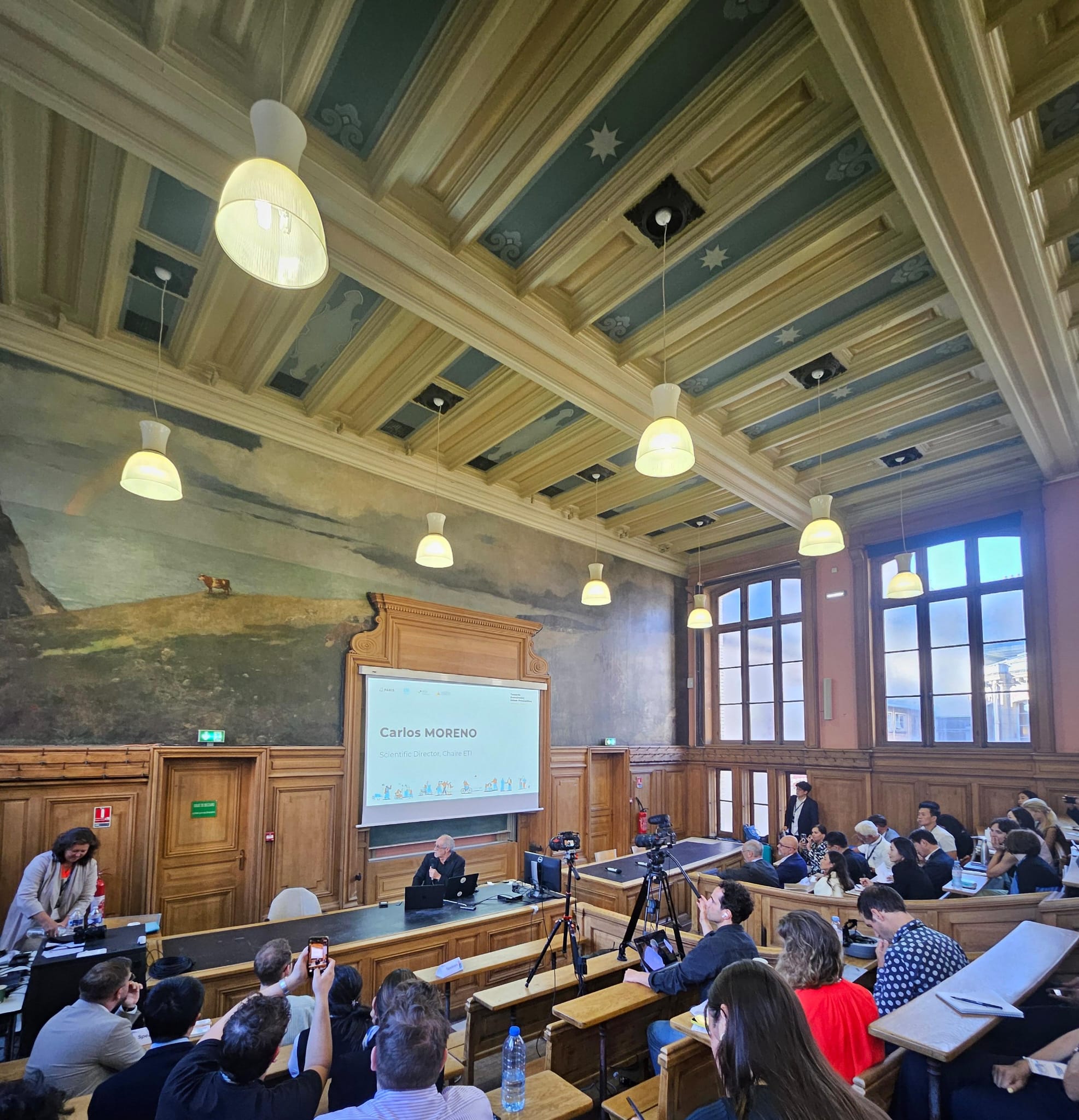
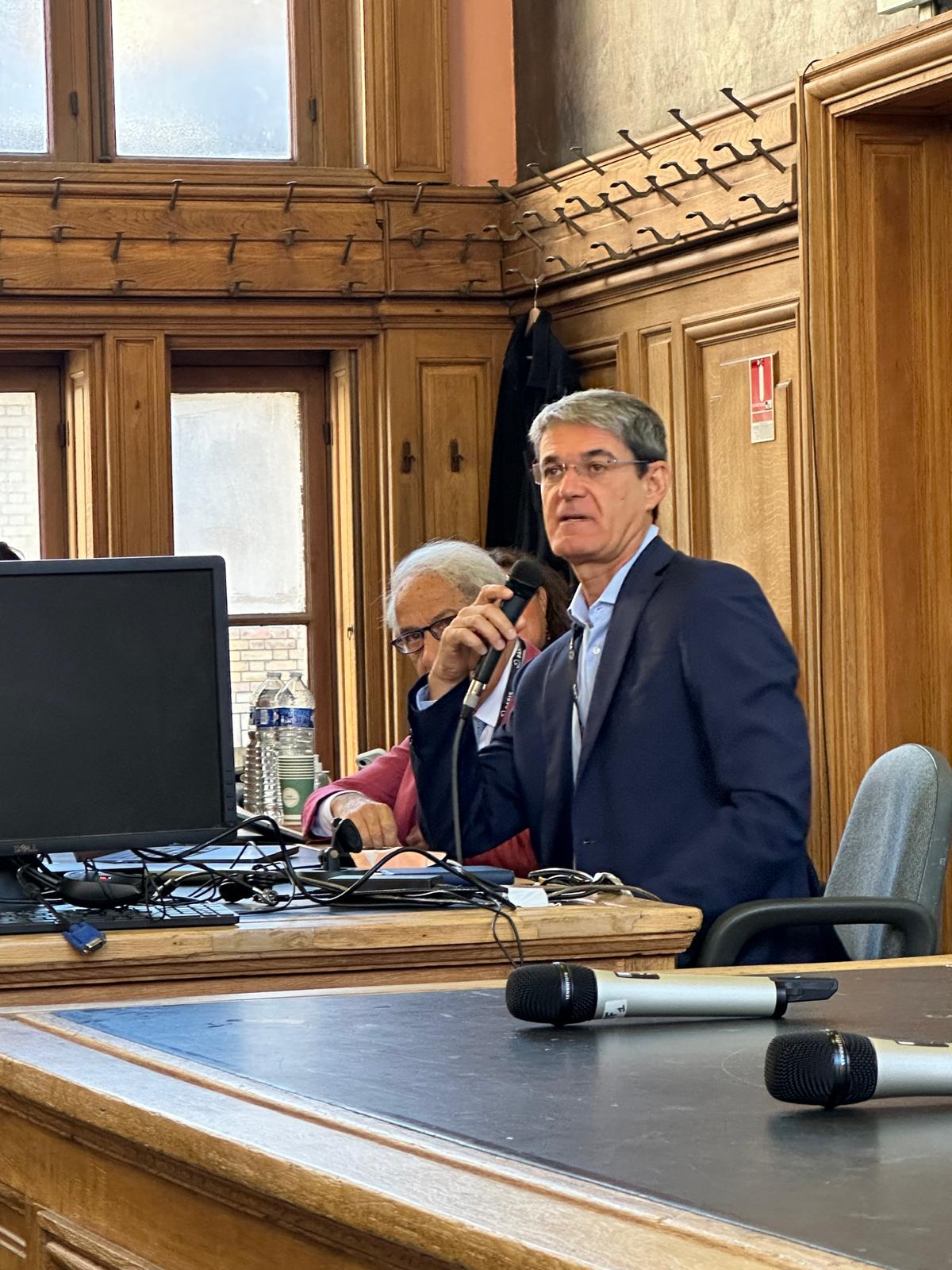
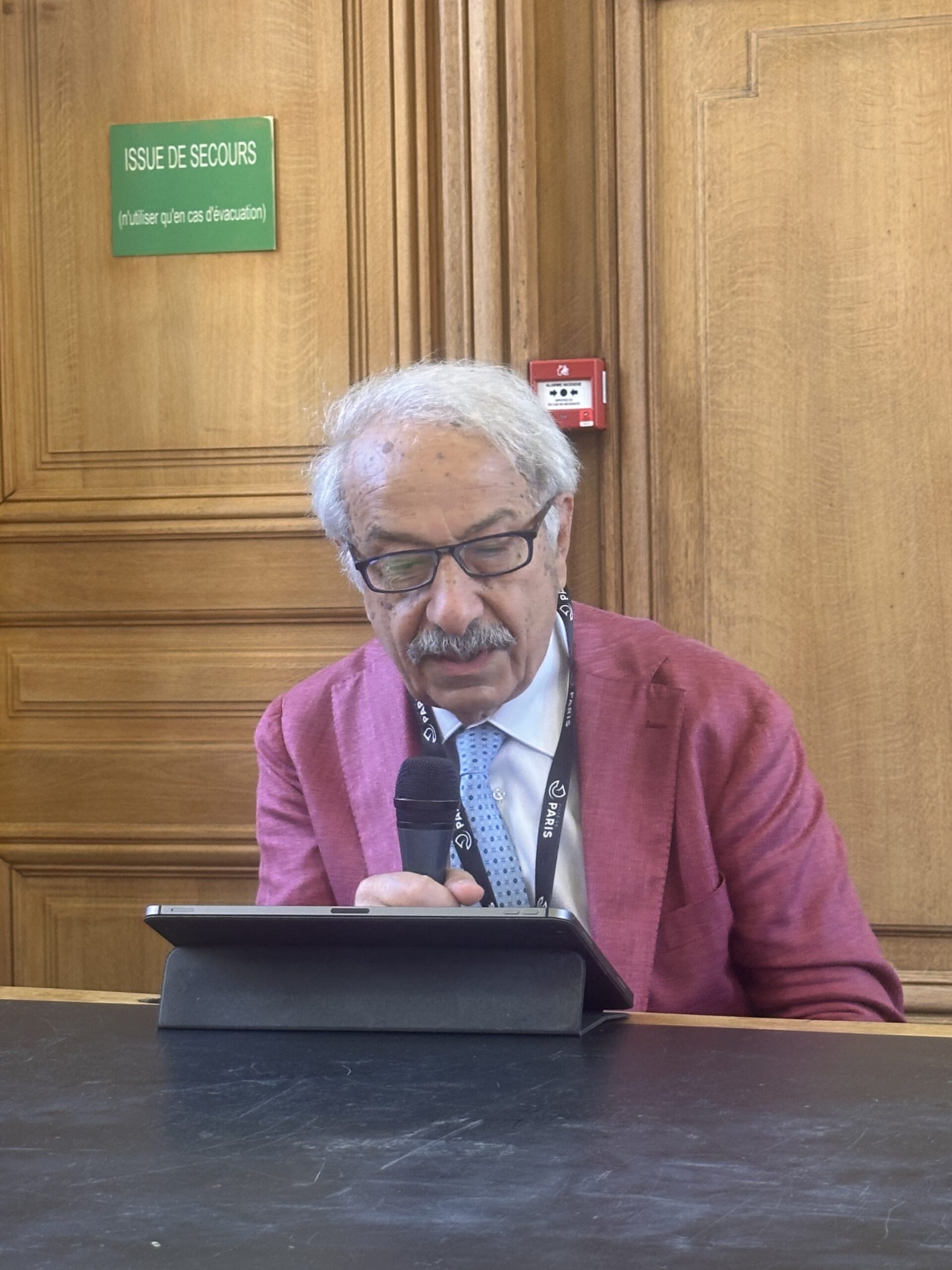
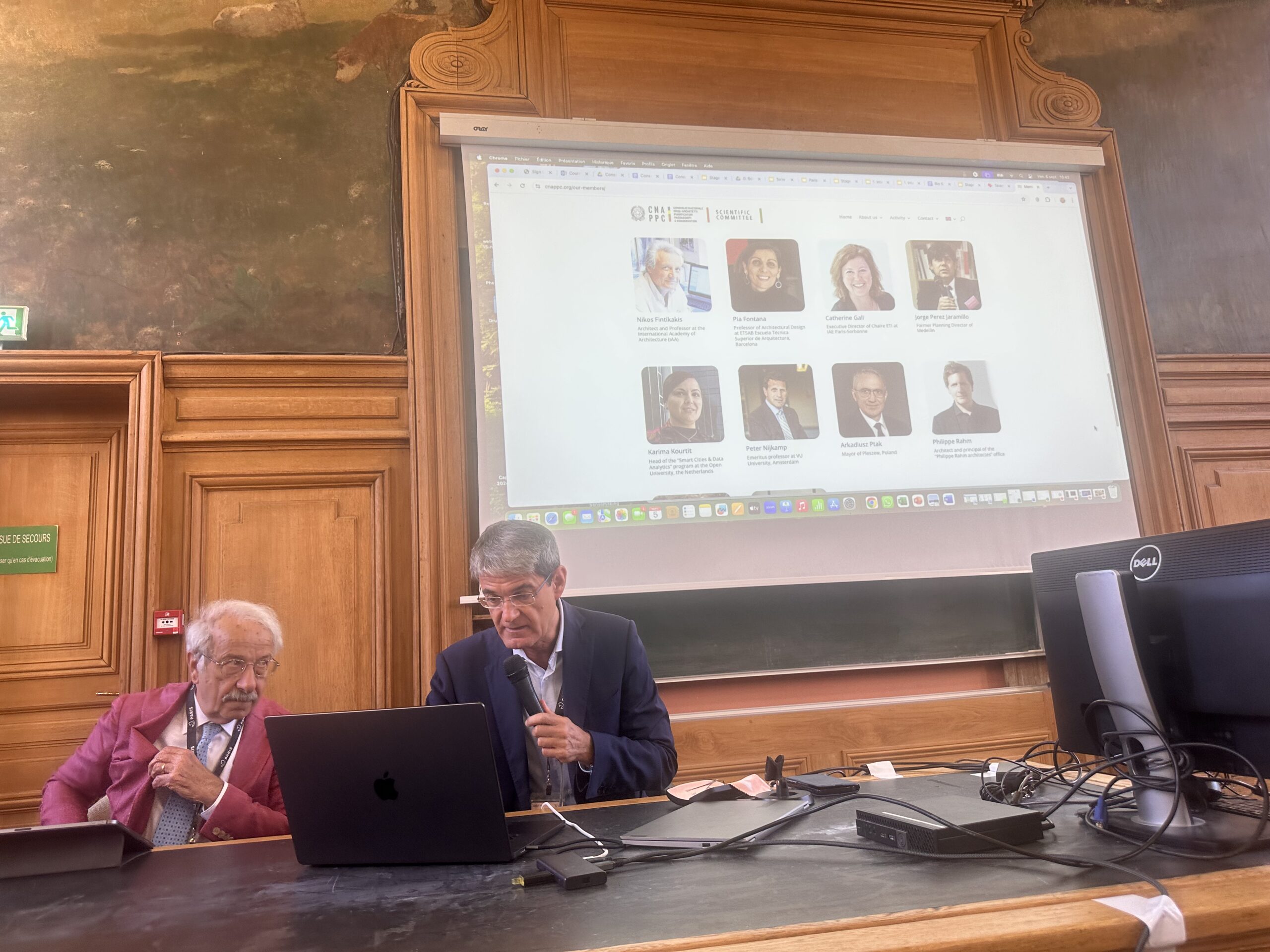
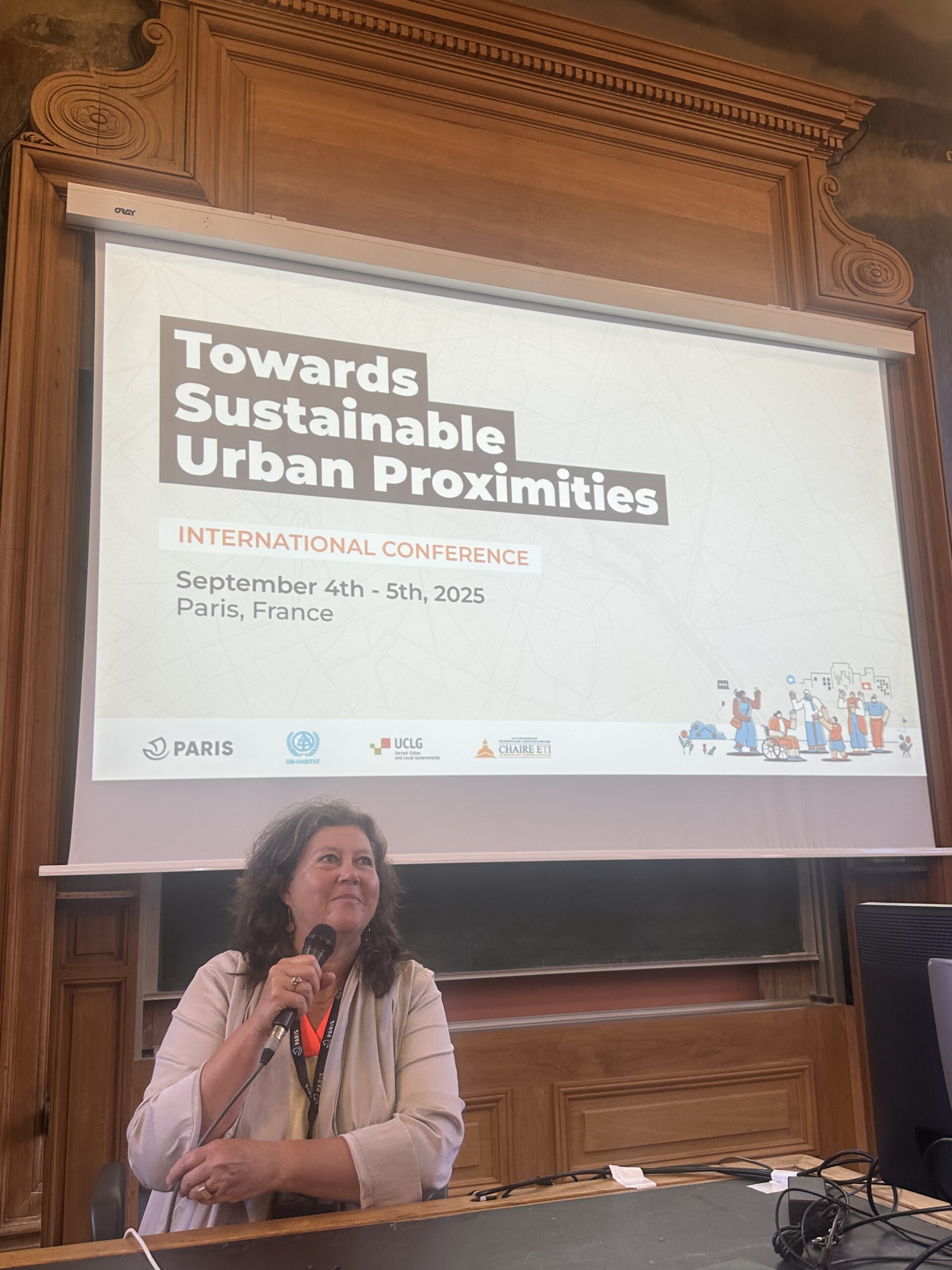
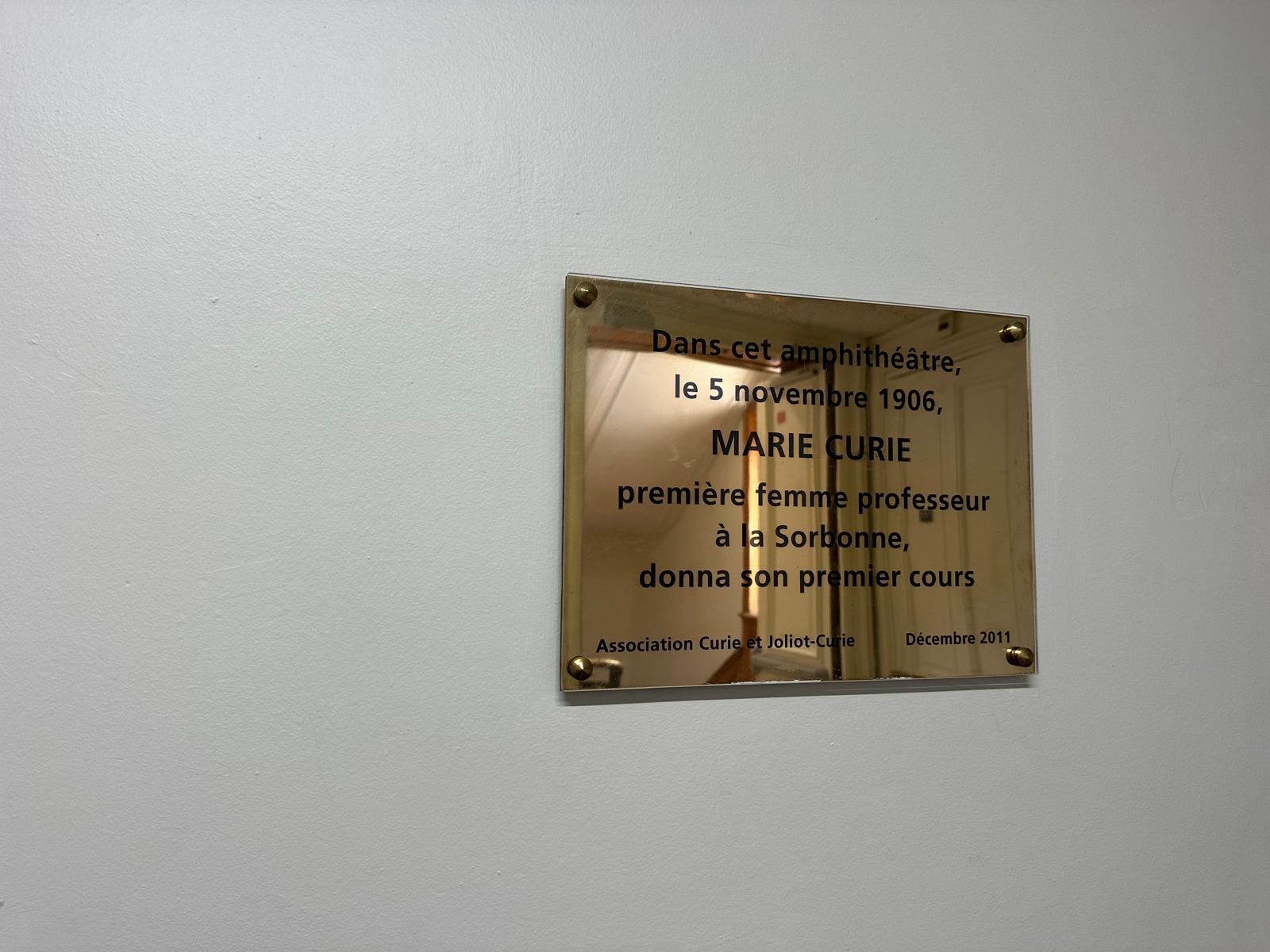
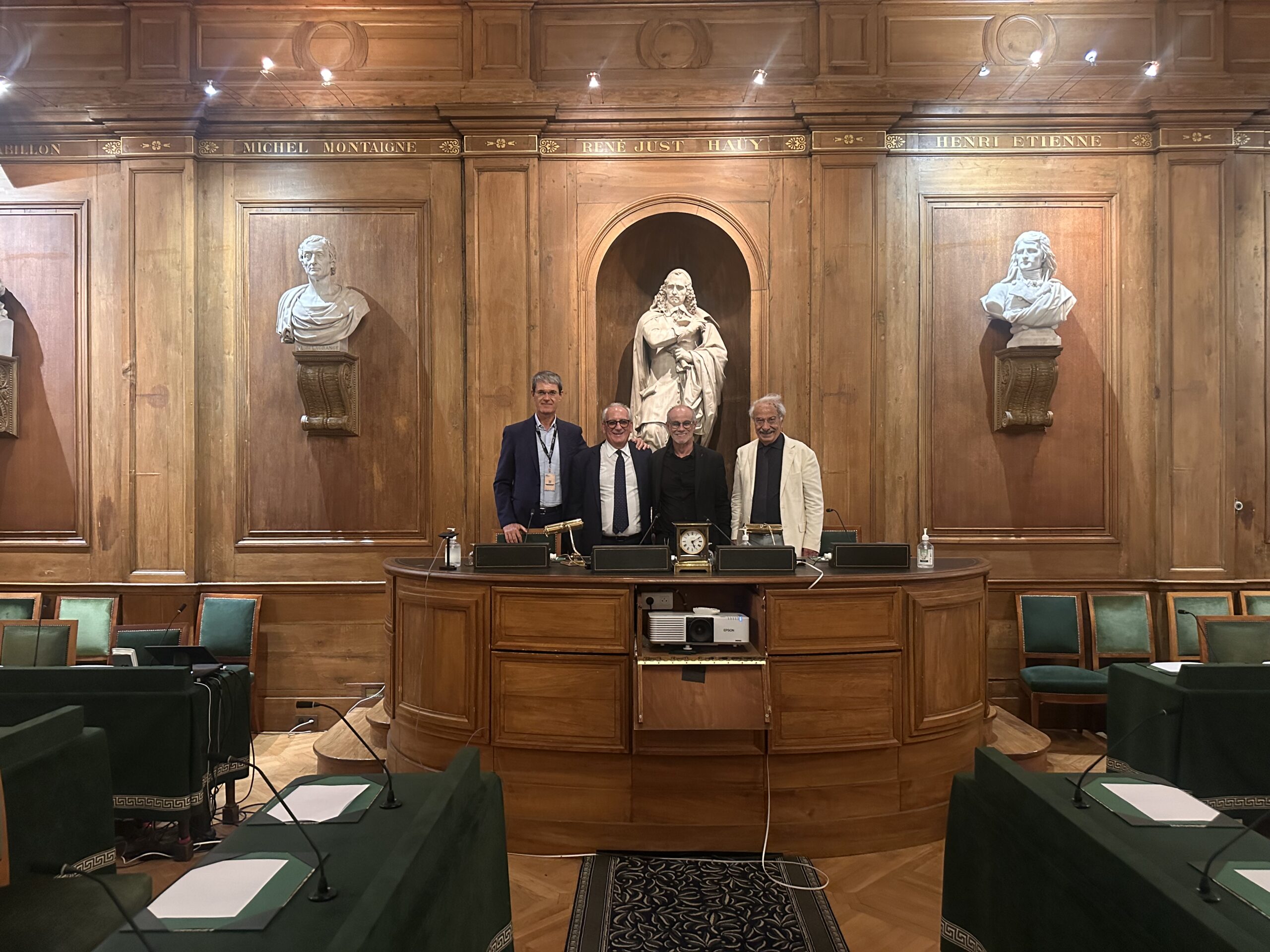
On September 5, the conference continued in the historic Lefebvre amphitheater, where Marie Curie gave her very first university lecture in 1906, thus becoming the first woman to teach at a French university.

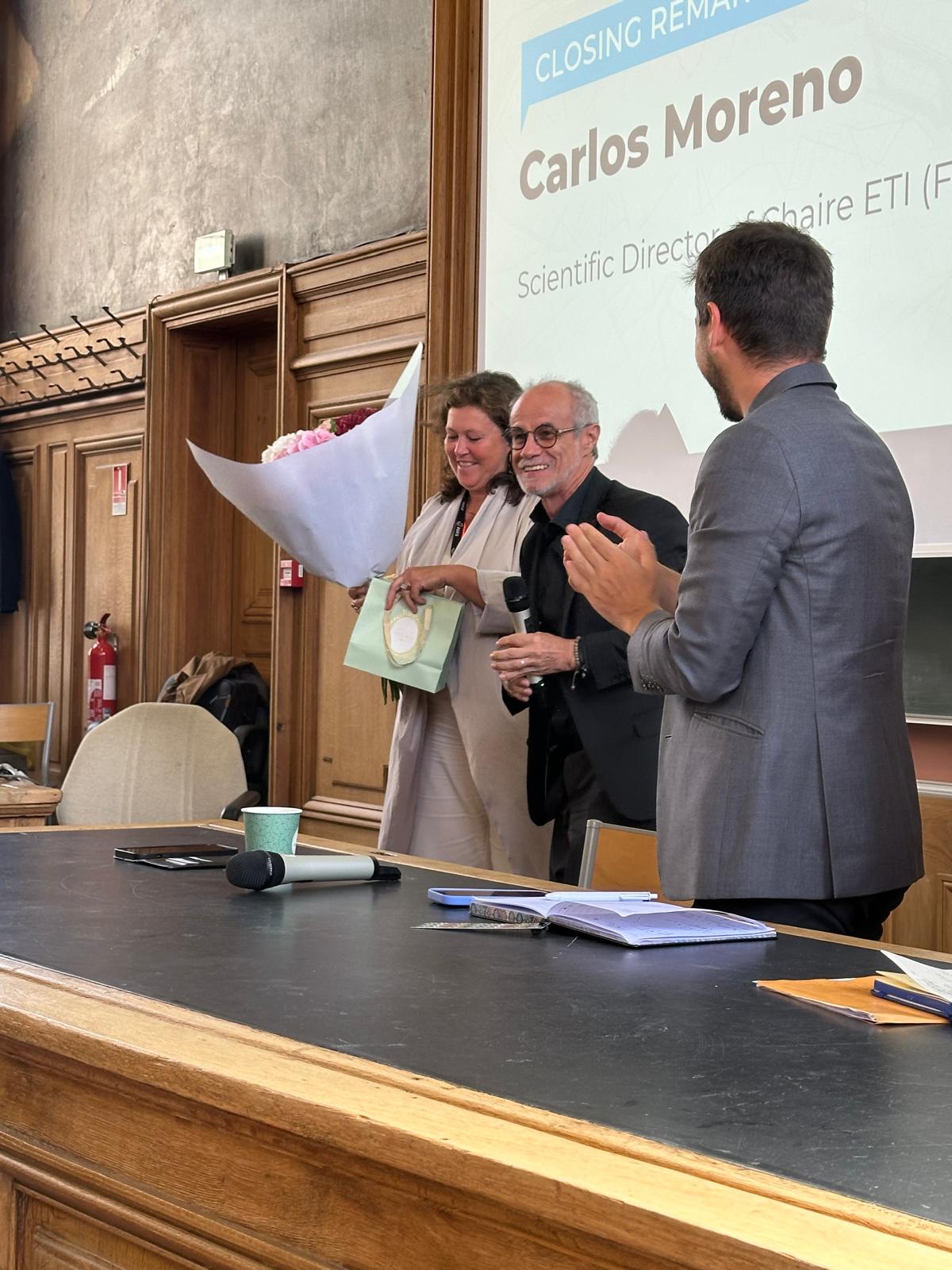
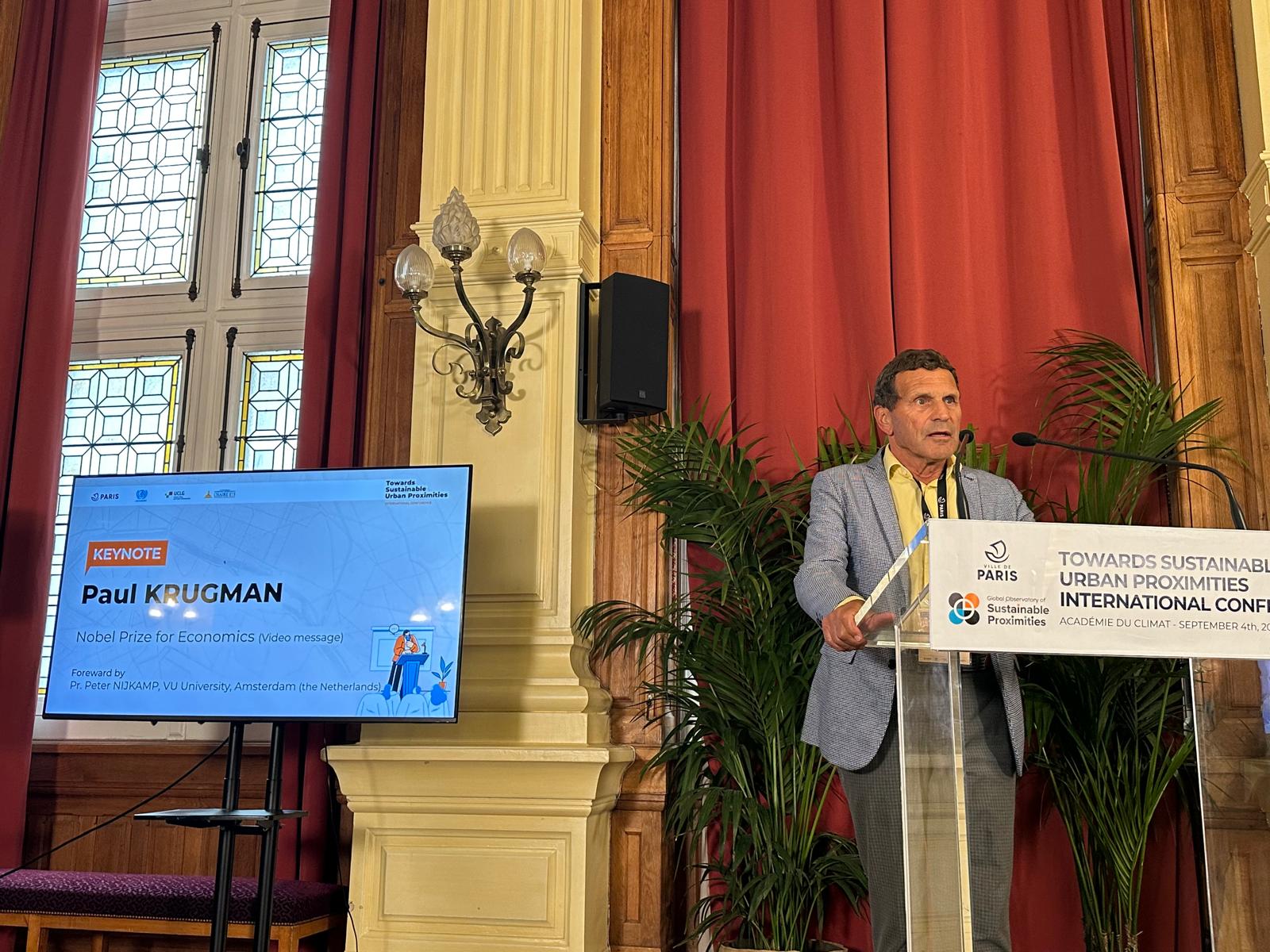
That day, CNAPPC President Massimo Crusi and Giuseppe Cappochin, Head of the Department for Territorial Reform, spoke alongside the President of the Scientific Committee, Professor Carlos Moreno, together with several colleagues and partners: Catherine Gall, Matteo Colleoni, Pia Fontana, Karim Kourtit, Nuno Valentim, Peter Nijkamp, Polish Mayor Arkadiuz Ptak, and architect Philippe Rahm. Together, they presented ongoing reflections on proximity as a key principle in shaping future urban and territorial policies.
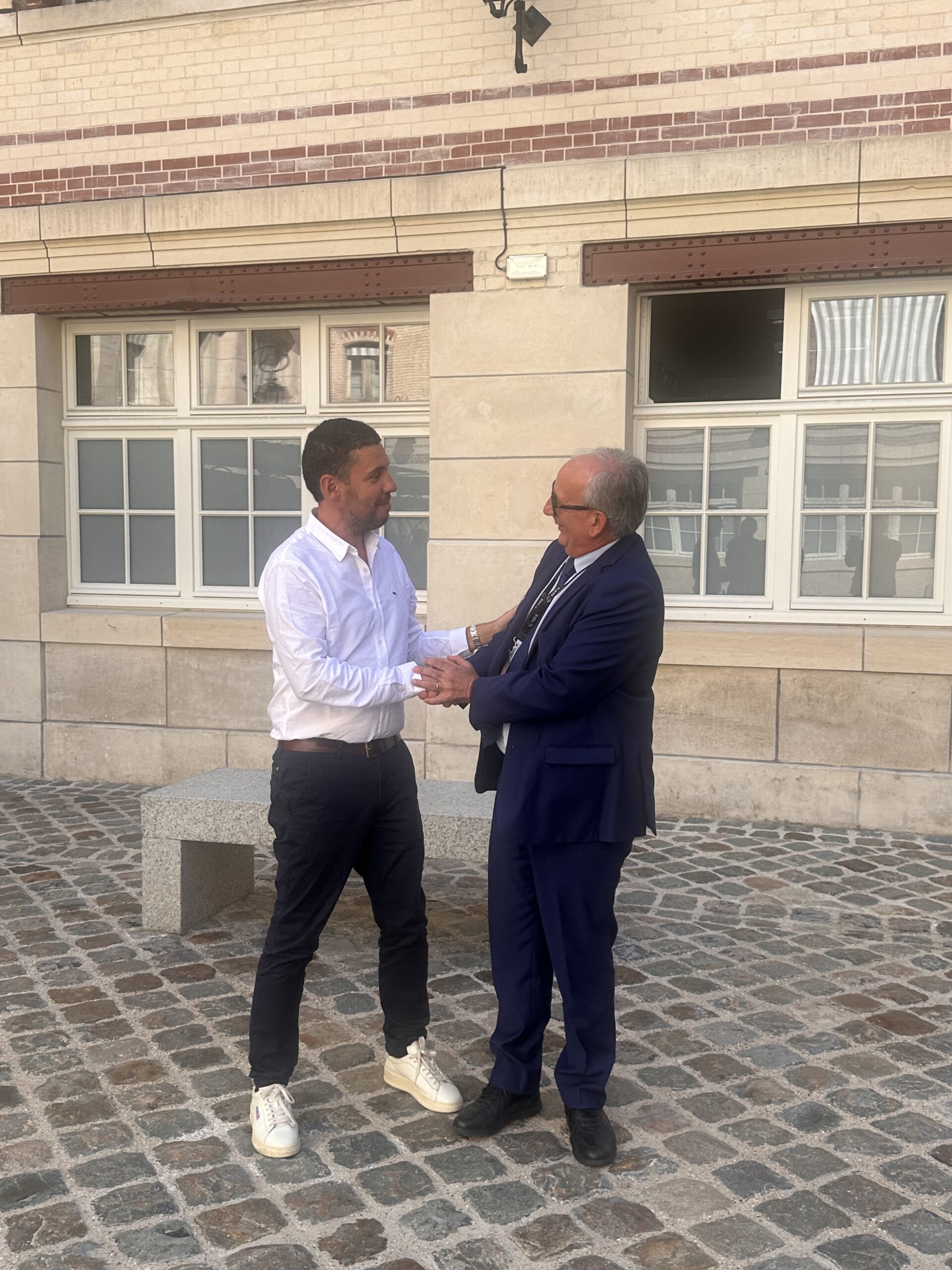
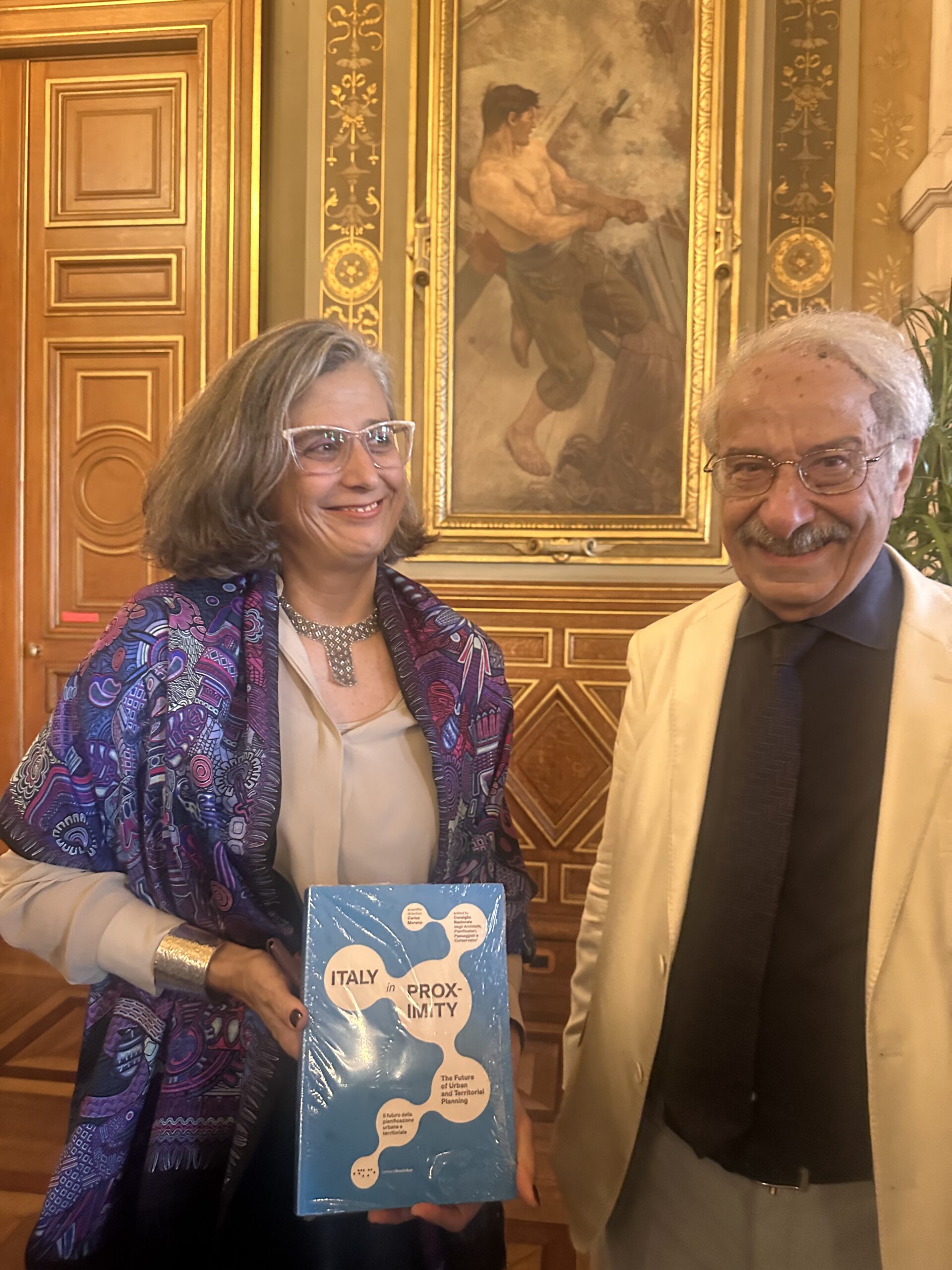
In the same amphitheater, Giuseppe Cappochin and Professor Matteo Colleoni shared the book Italy in Proximity, contributing to the academic and professional debate, and officially announced the launch of the Scientific Committee’s website.

The day also featured a working meeting with Christophe Millet, President of the French National Council of the Order of Architects (CNOA), and its Director General, Marie-Aude Bailly-Le Bar, to explore avenues for strengthening cooperation between Italian and French peers.
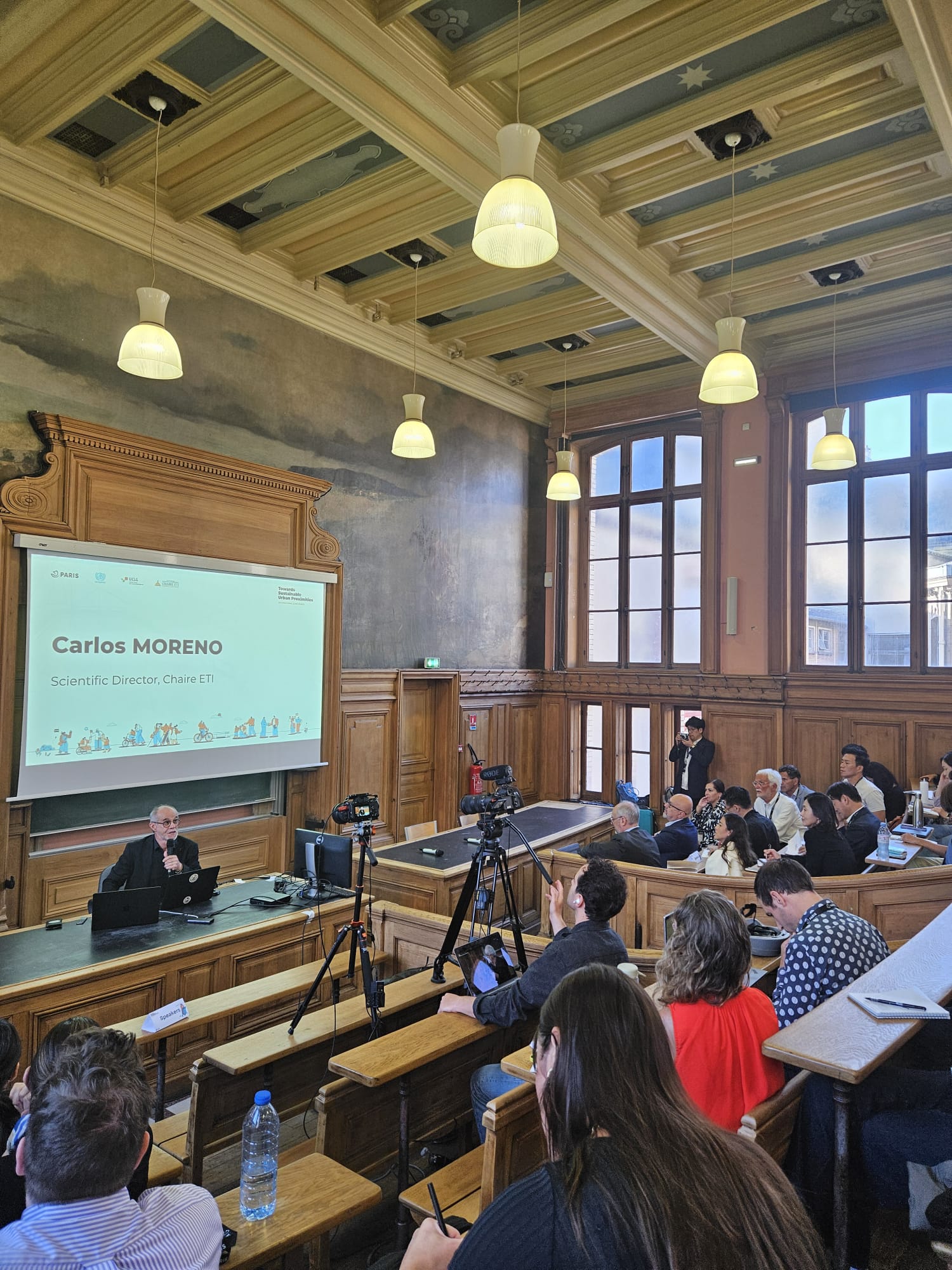
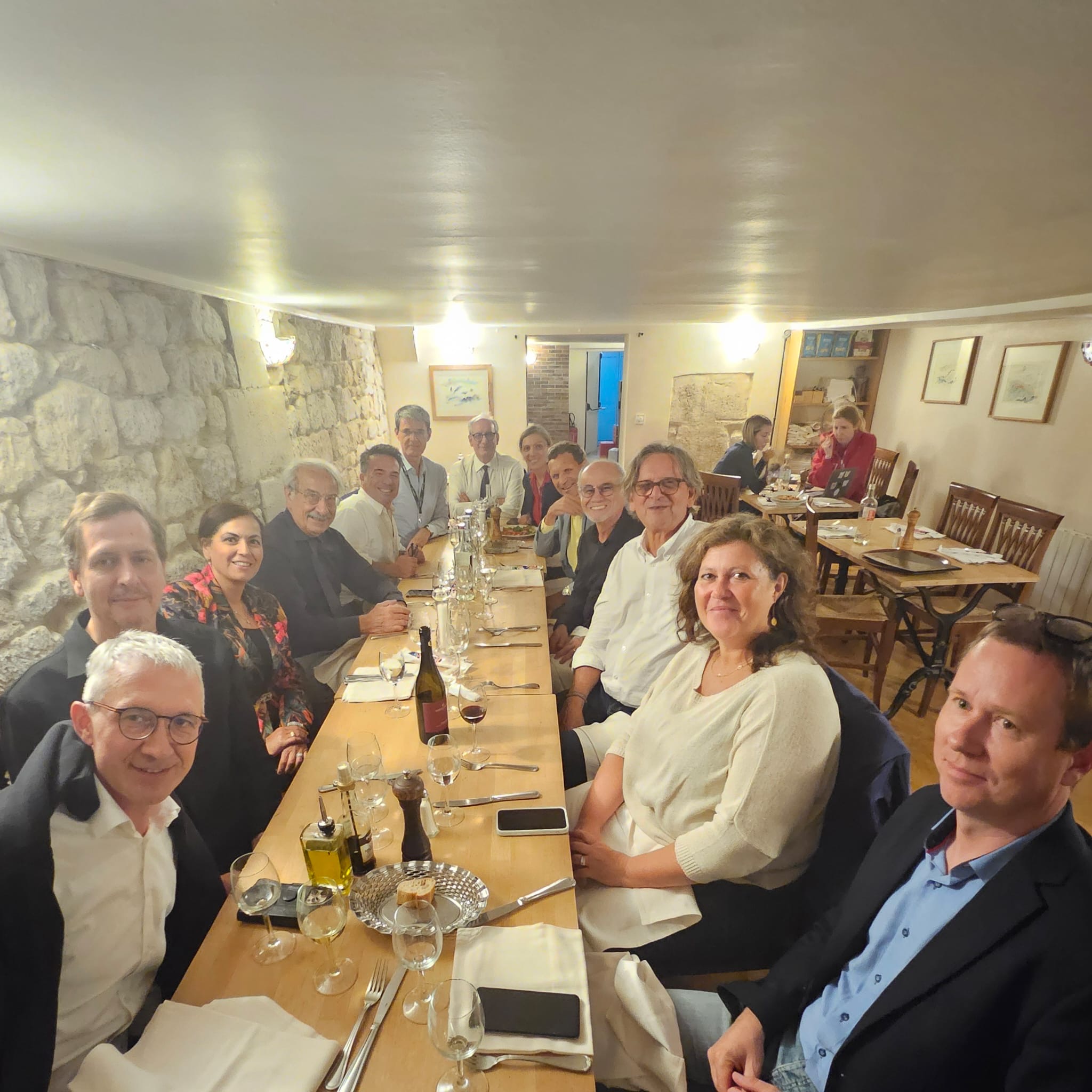
Finally, on September 5, the day concluded with the in-person meeting of the Scientific Committee, dedicated to advancing its ongoing work and outlining the new actions planned for the end of 2025 and the beginning of 2026.
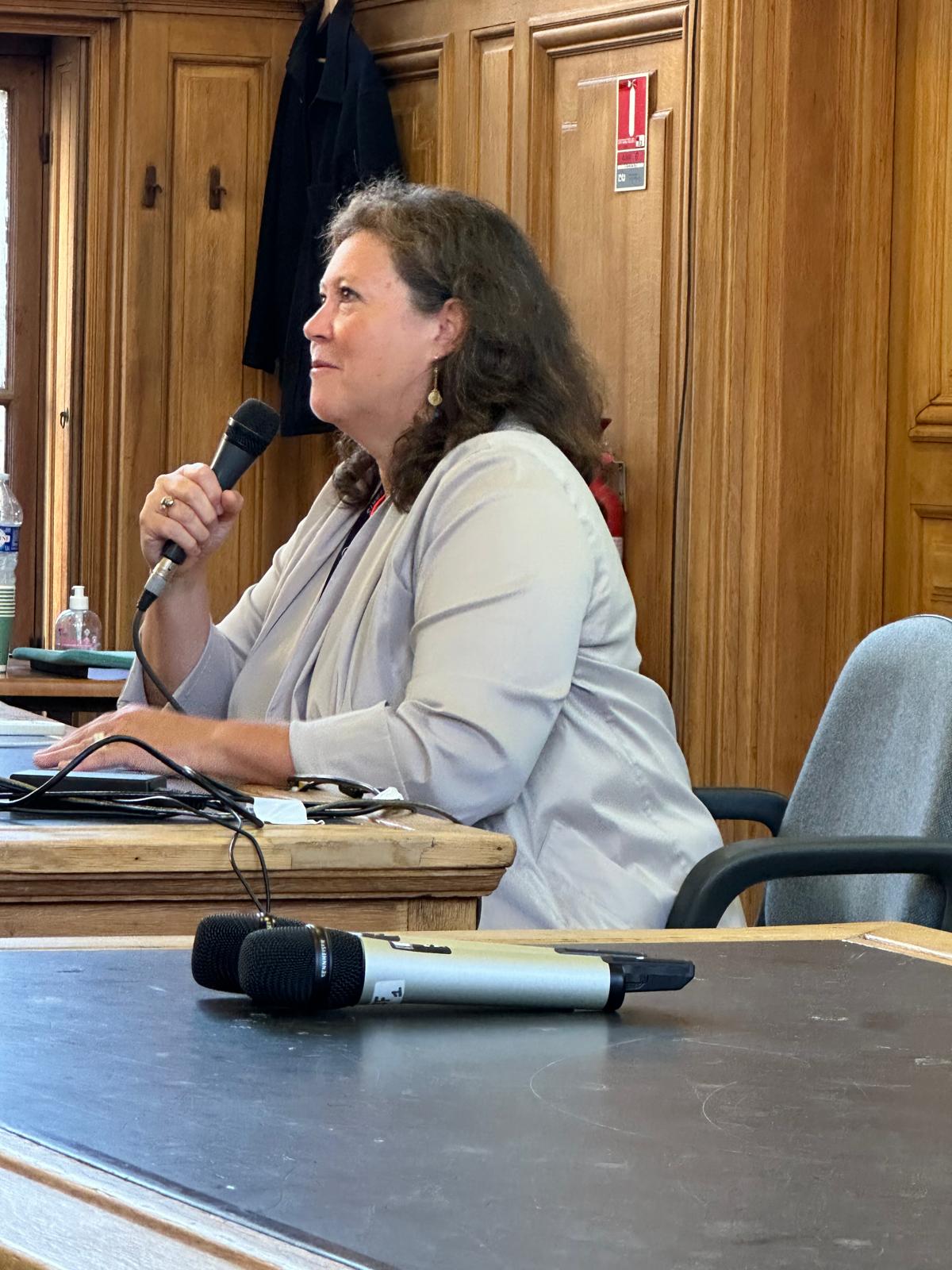
All these moments highlight the international dynamism of the CNAPPC and confirm the pivotal role of its Scientific Committee in building partnerships of excellence and promoting urban and territorial proximities as innovative responses to the challenges of our time.

Provisions and amendments to the Consolidated Text on Draft Laws No. 29, 761, 863, 903, 1028, 42, 1122, 1131, proposed by the CNAPPC to the 8th Committee of the Senate of the Republic

Provisions and amendments to the Consolidated Text proposed by the CNAPPC to the 8th Committee of the Senate of the Republic of Italy.
Consolidated Text on Draft Laws No. 29, 761, 863, 903, 1028, 42, 1122, 1131
“Provisions on Urban Regeneration”, the urban regeneration law aiming to promote the recovery and redevelopment of the existing urban real estate heritage.

The main goals include:

  1. Urban Regeneration as a central tool: the law promotes the recovery and redevelopment of degraded buildings and urban areas, overcoming the traditional model of functional zoning and encouraging access to services, sustainable mobility, climate resilience, and social cohesion.
  2. Limiting land consumption: urban regeneration is a priority tool for achieving the European objective of net zero land consumption by 2050.
  3. Governance and Planning: the introduction of the Interministerial Committee for Urban Policies (CIPU) in order to define the National Urban Regeneration Plan. This plan will include five-year objectives and criteria for resource allocation.
  4. Incentives and simplification measures: economic and fiscal incentives for urban regeneration interventions, including exemptions from extraordinary contributions and procedural simplifications.
  5. Participation and involvement: promotion of structured participatory processes aimed at involving local communities in the definition of urban regeneration strategies.
  6. Environmental remediation and requalification: incentives are provided for the remediation and reuse of contaminated sites, including reductions in construction contributions and deductions from urbanization charges.

These provisions represent an integrated approach to enhance urban quality of life, environmental sustainability, and social cohesion.

Download

> Senate of the Republic, September 24th, 2024 / Consolidated Text on Draft Laws N. 29, 761, 863, 903, 1028, 42, 1122, 1131 “Provisions on Urban Regeneration” 

> CNAPPC – October 2024 / Provisions and amendments to the Consolidated Text on Draft Laws No. 29, 761, 863, 903, 1028, 42, 1122, 1131, proposed by the CNAPPC to the 8th Committee of the Senate of the Republic

> Senate of the Republic – August 5th, 2025 / Consolidated Text on Draft Laws N. 29, 761, 863, 903, 1028, 42, 1122, 1131 “Provisions on Urban Regeneration”

An agorà to rethink urban and territorial spaces in Italy

An agorà to rethink urban and territorial spaces in Italy

Presentation of the new CNAPPC’s website dedicated to territorial governance
July 3rd, 2025 / ROMA
Read the program

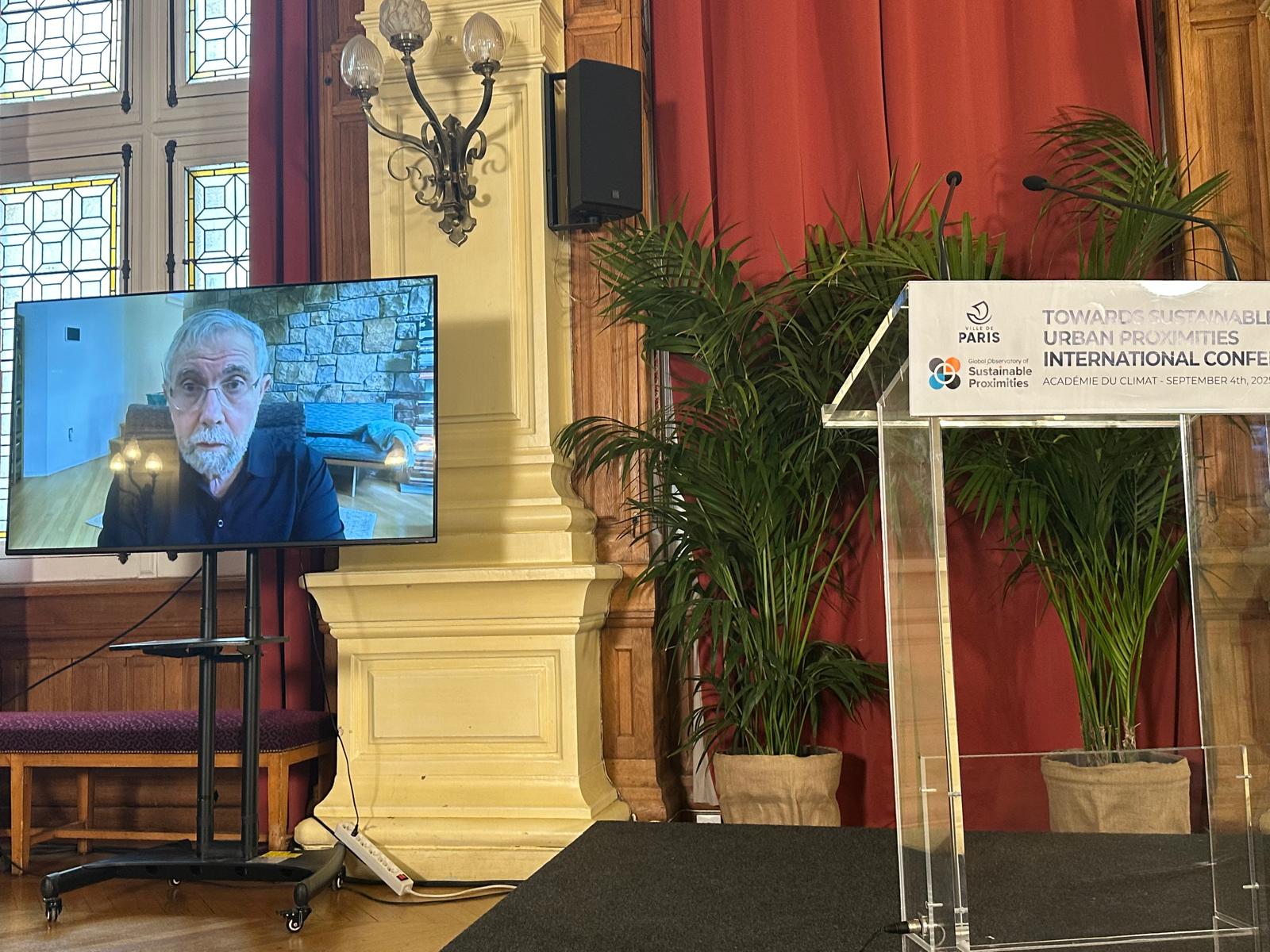
The CNAPPC continues its commitment to urban regeneration with a new website, promoted by the Urban Reform Department headed by Giuseppe Cappochin. The project, supported by a scientific committee chaired by Carlos Moreno, is a veritable agora for rethinking urban and territorial spaces in our country and for promoting discussions, in-depth analyses and debates at national and international level, as well as formulating new proposals. Studies and initiatives in Italy and abroad have been presented, involving personalities such as the Nobel Laureate in Economics, Paul Krugman. The website, launched on July 3rd in Rome, represents a space for discussion and proposals on a national and international scale.
At the same time, there has been a positive change in the regulatory framework, with the establishment of a national fund and a unified draft law. The CNAPPC has proposed amendments for a more systemic regeneration, overcoming fragmentary approaches. The initiative promotes innovative, sustainable urban planning focused on human well-being.