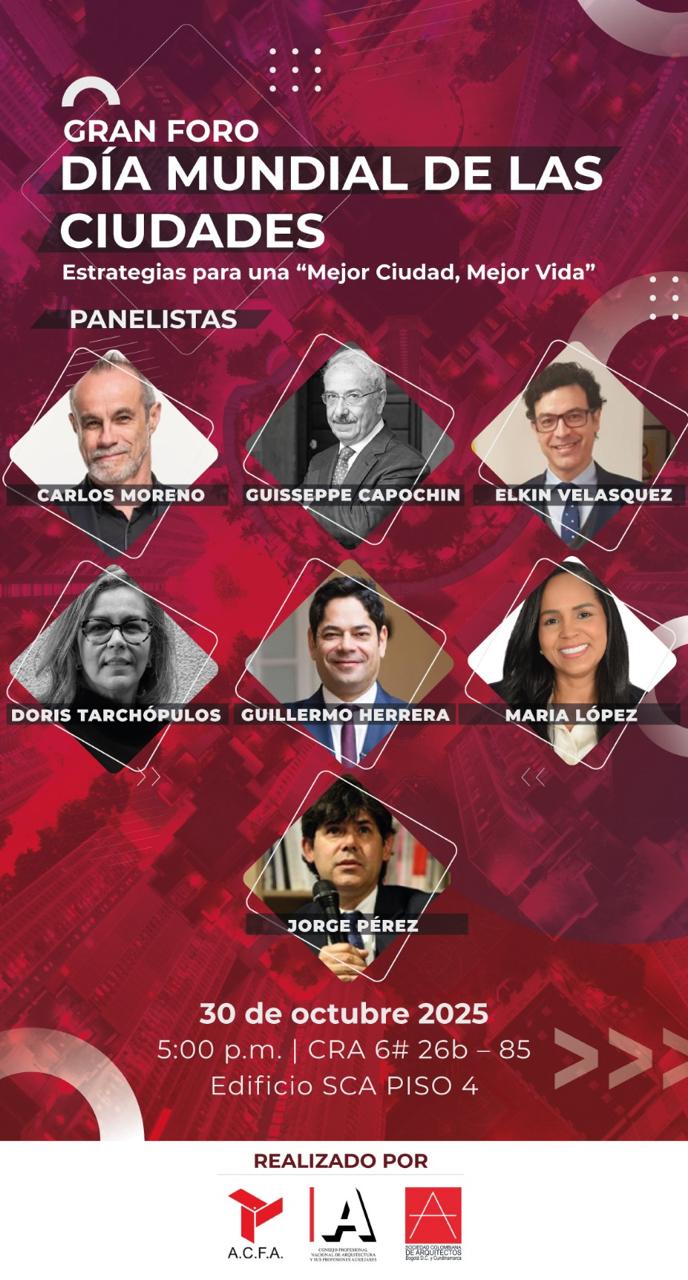
Gran Foro. Dia mundial de las ciudades
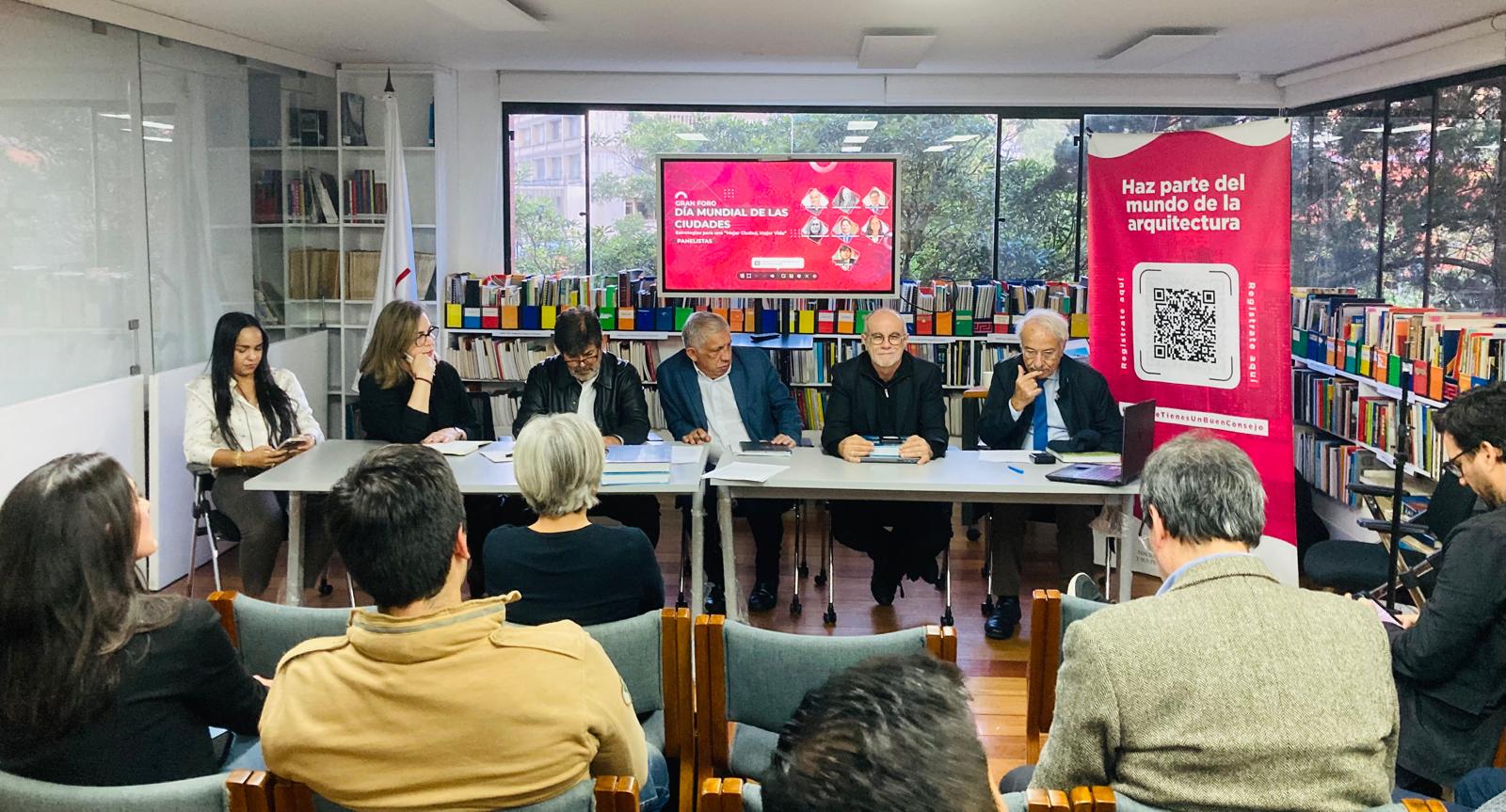
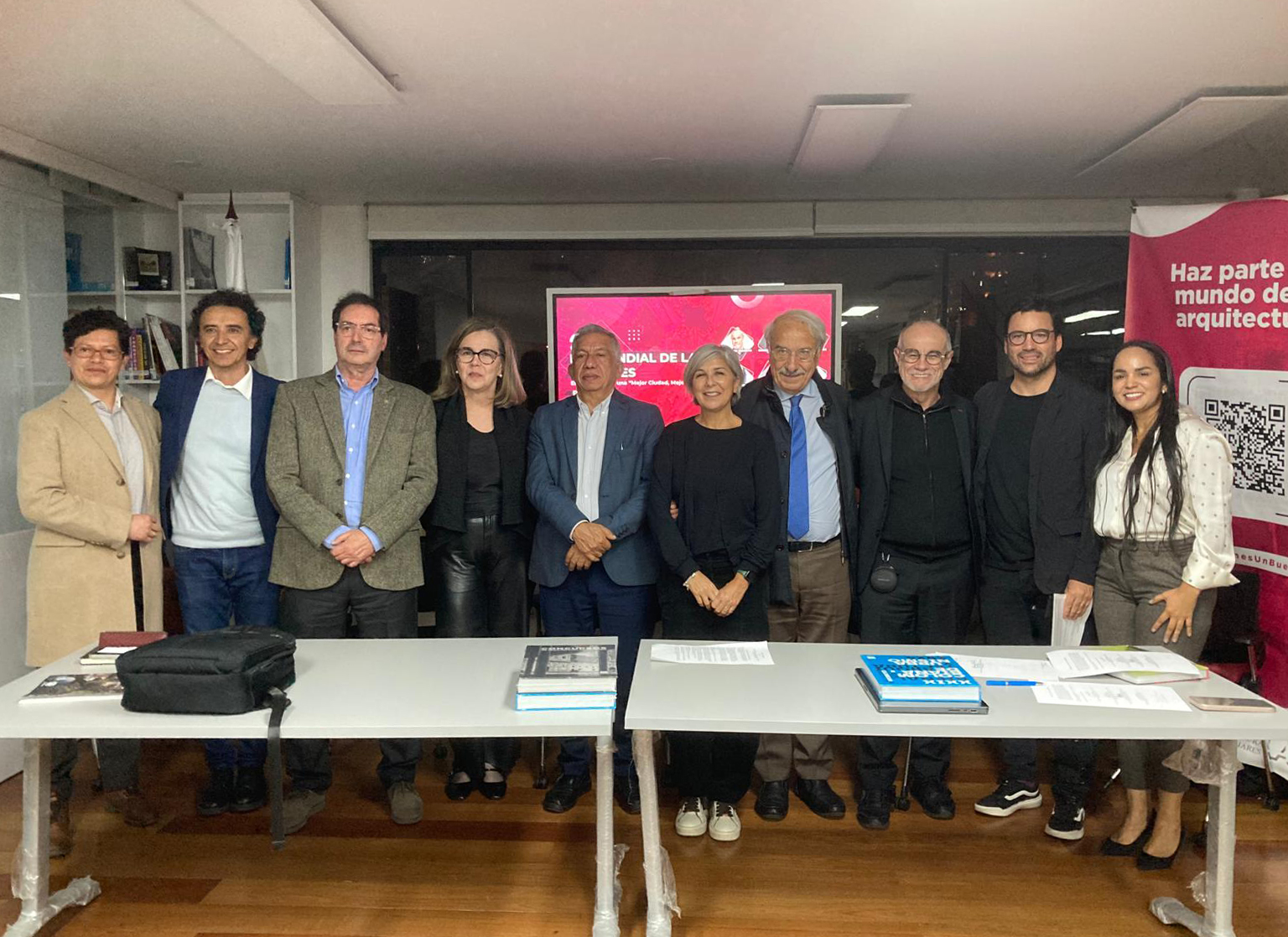
Signing of the agreements between the CNAPPC and its Colombian and Argentine counterparts.

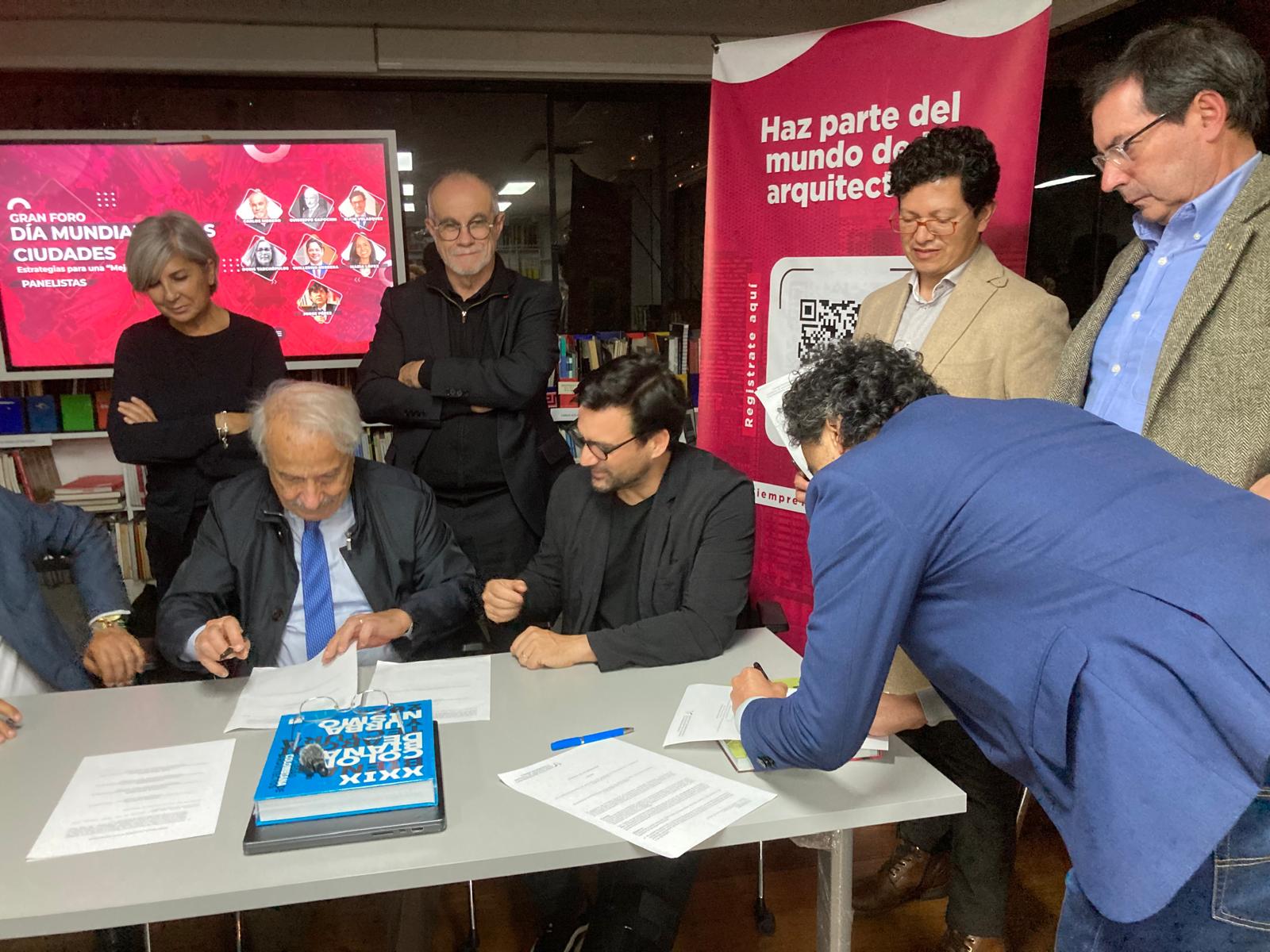

Signing of the agreements between the CNAPPC and its Colombian and Argentine counterparts.
October 28-29, 2025
Auditorium, Institute of Applied Social Sciences
Belém (Pará), Brazil
Lessons for High Quality and Sustainable Development of our Planet and the Amazon Region A pre-conference event for COP30, Belem
On October 28th and 29th, the conference “The Wealth of Nations and the Wellbeing of Places” was held at the Auditorium of the Institute of Applied Social Sciences in Belém, Brazil. The event sought to discuss sustainable development in the Amazon region, focusing on global well-being and the well-being of nations in anticipation of the United Nations Climate Change Conference to be held in the Amazon-Belém-Pará region of Brazil.
The opening panel discussion was attended by Prof. Dr. Marcelo Nazareno Vallinoto de Souza representing the Magnificent Chancellor of UFPA Prof. Dr. Gilmar Pereira de Souza, Prof. Dr. Fernando de Assis Rodrigues as Interim Director of the Institute of Applied Social Sciences, Prof. Dr. Márcia Jucá Teixeira Diniz (PPGE/UFPA) and Prof. Peter Nijkamp (WSKZ).
For the discussions, mediated by Professor Karima Kourtit, speakers from different countries were invited, such as Professor Paul Krugman, winner of the 2008 Nobel Prize in Economics. In addition to him, Prof. Peter Nijkamp (WSKZ), Prof. Dr. Carlos Roberto Azzoni (FEA-USP), Prof. Dr. Marcelo Bentes Diniz (PPGE/UFPA), Prof. Dr. Cláudio Castelo Branco Puty (PPGE/UFPA), Prof. Dr. Cláudio Castelo Branco Puty (PPGE/UFPA), Prof. Carlos Moreno (IAE Paris-Sorbonne), Prof. Luigi Fusco Girard and Francesca Nocca (University of Naples Federico II), Prof. Catherine Gall (Sorbonne/Paris) and architect Giuseppe Cappochin (CNAPPC, Italy).
We also had the participation of researchers Jaewon Lim (University of Nevada), Matteo Colleoni (CNAPPC Scientific Committee), Martijn Burger (Erasmus University), Peter Dzupka and Oto Hudec (Košice Technical University), Sasa Drezgic and Petra Zaninovic (University of Rijeka), Thomas Doxiadis and Yannis Psycharis (Panteion University), Karlem Khachatryan and Ani Khalatyan (Yerevan State University), Mohamed Makhtari (University of Fez), Aleksandra Siewert, Mehmet Ömürlü and Waldemar Ratajcza (WSKZ) and Xufeng Zhu (SPPM-Tsinghua).
At the end of the event, we invited state Congresswoman Lívia Duarte (PSOL) to read the Regional Science Academy Manifesto and deliver it to the authorities in charge of COP30.
> The Regional Science Academy (TRSA) Manifesto on Climate Change and the new wellbeing society
Guidelines and Actions for COP30, Belém, from an Urban and Regional Perspective
> Program
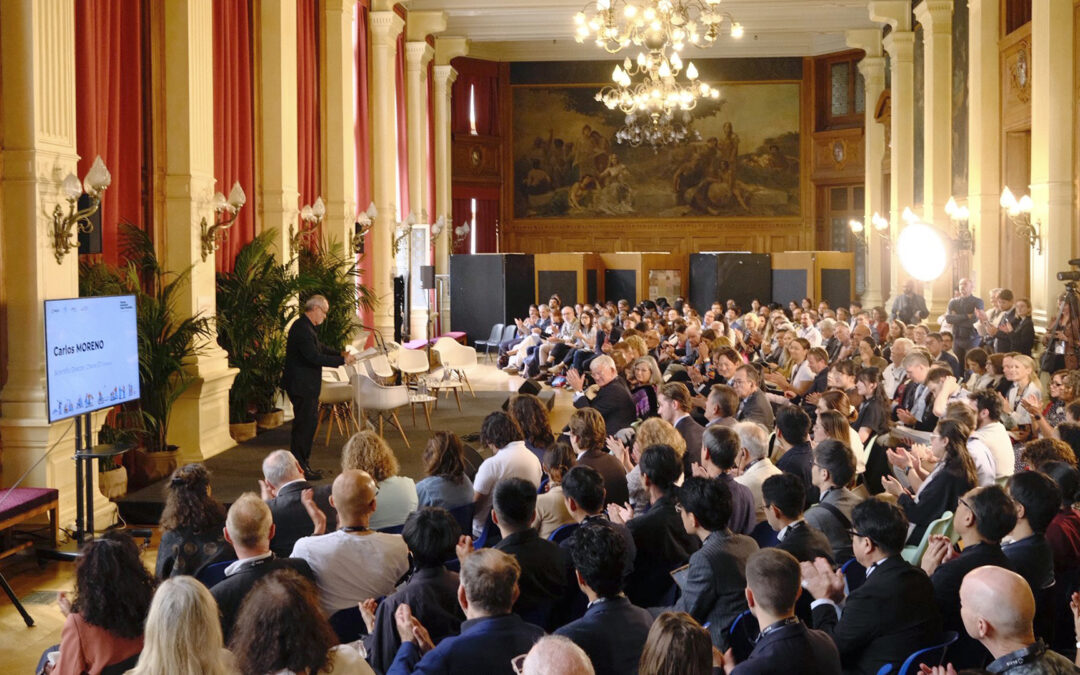
September 4–5, 2025
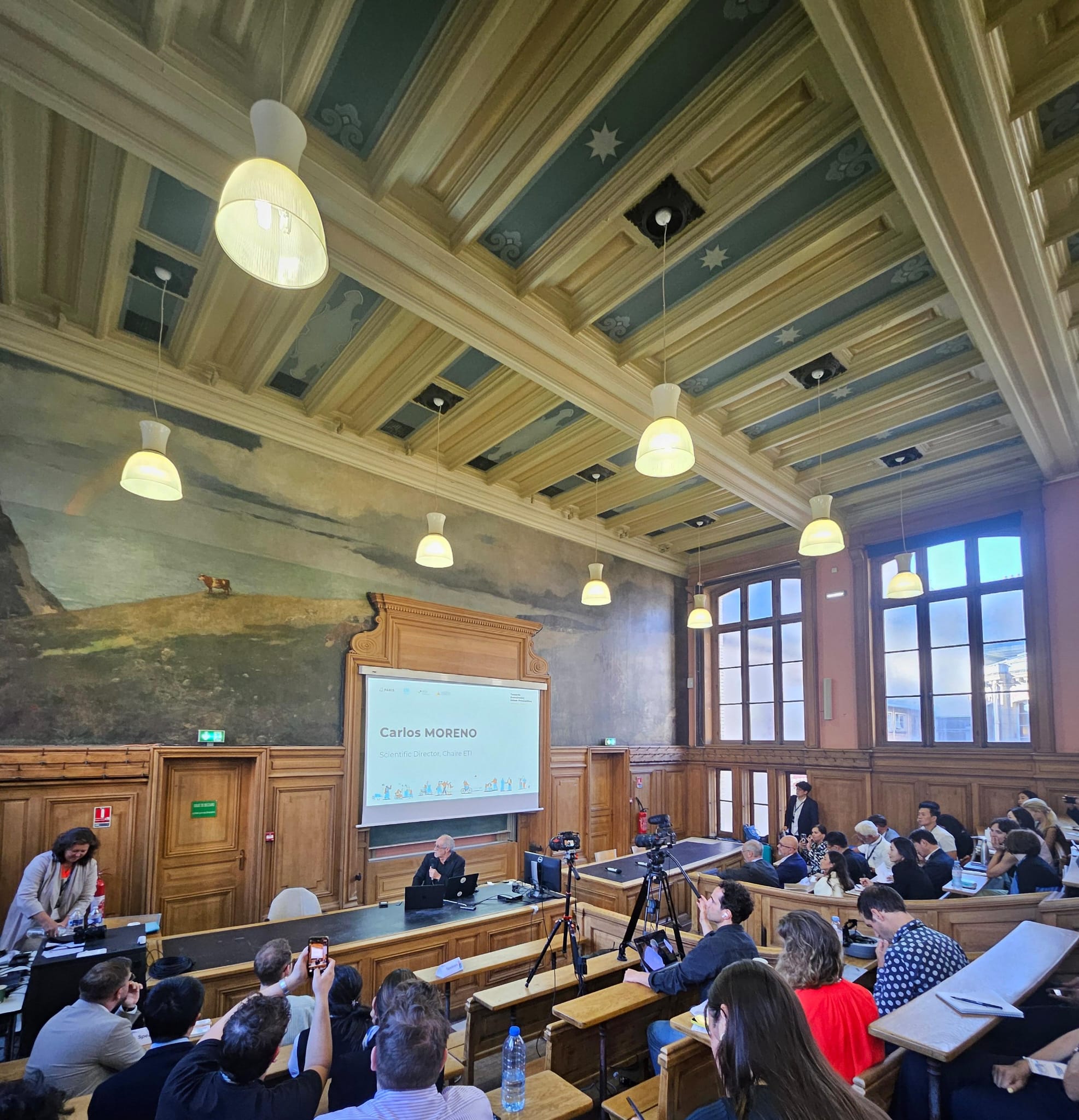
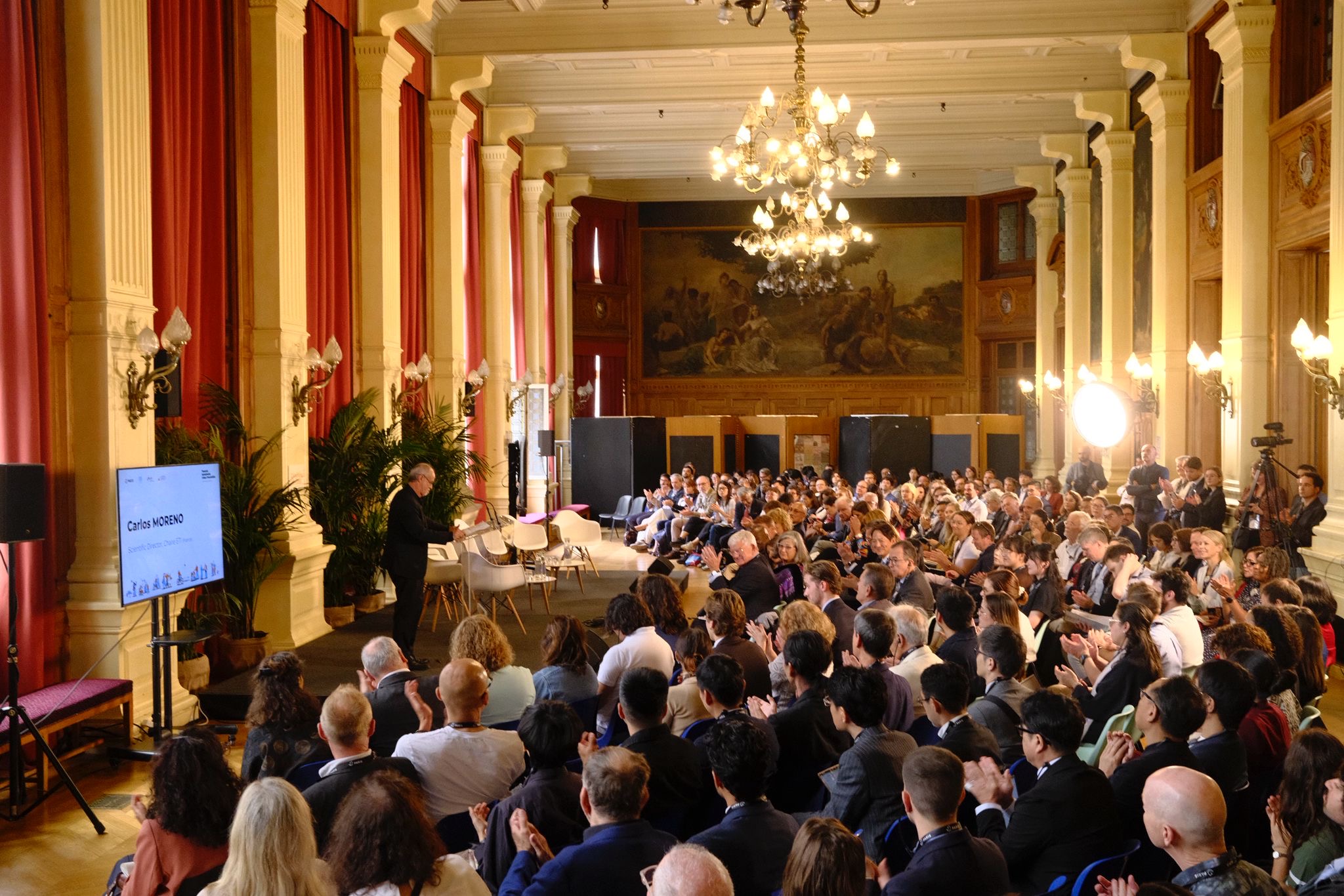
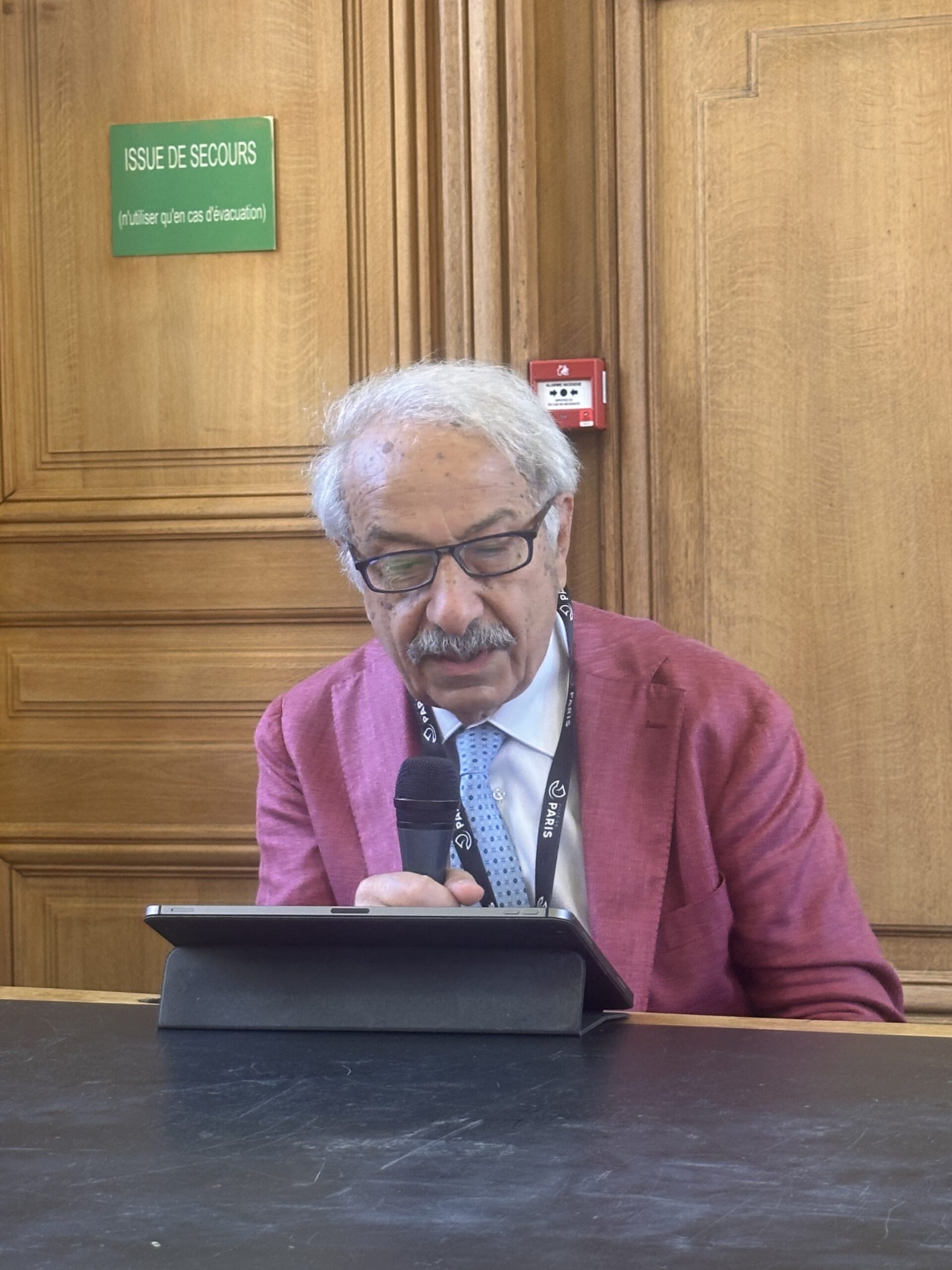
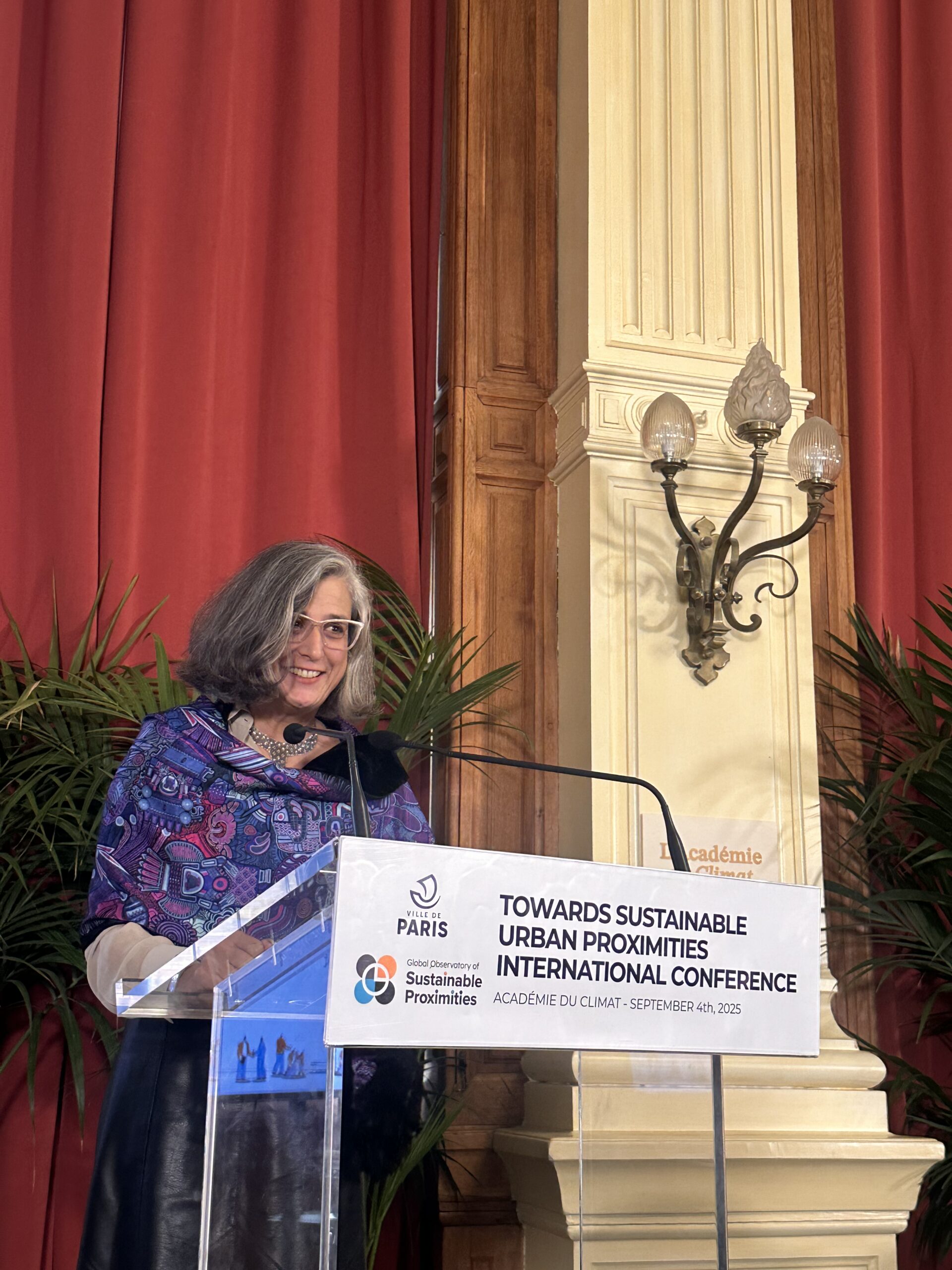
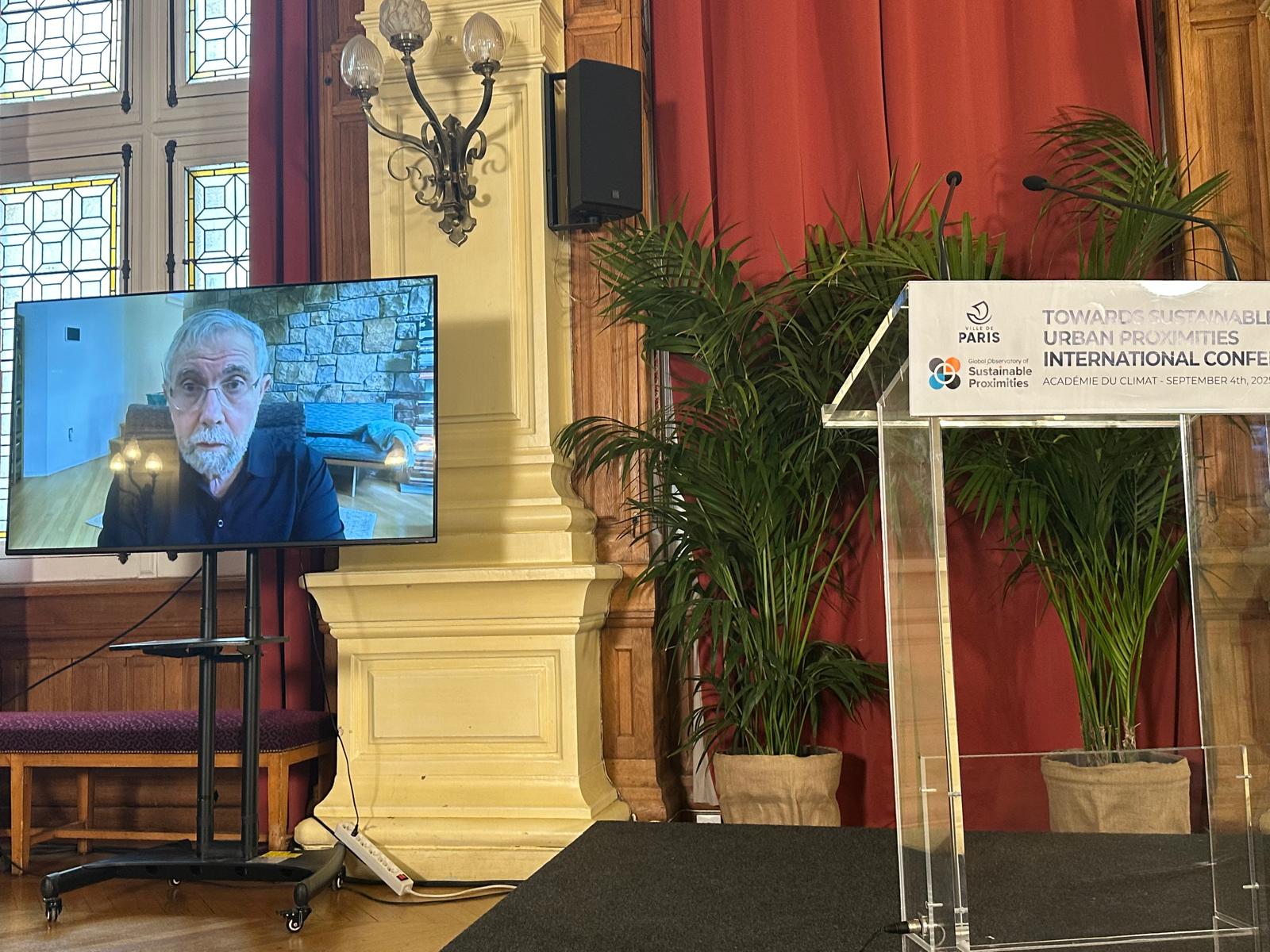
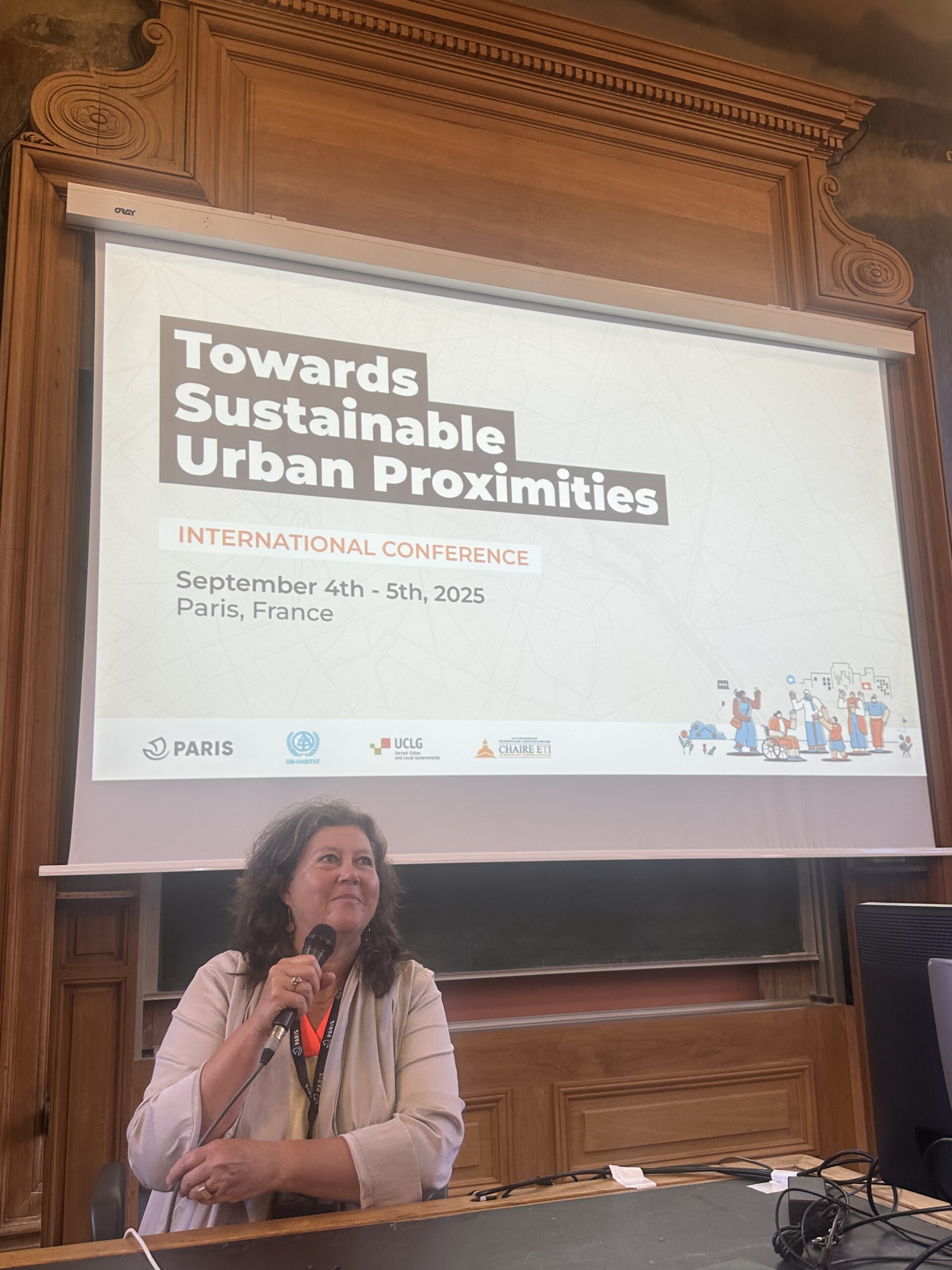
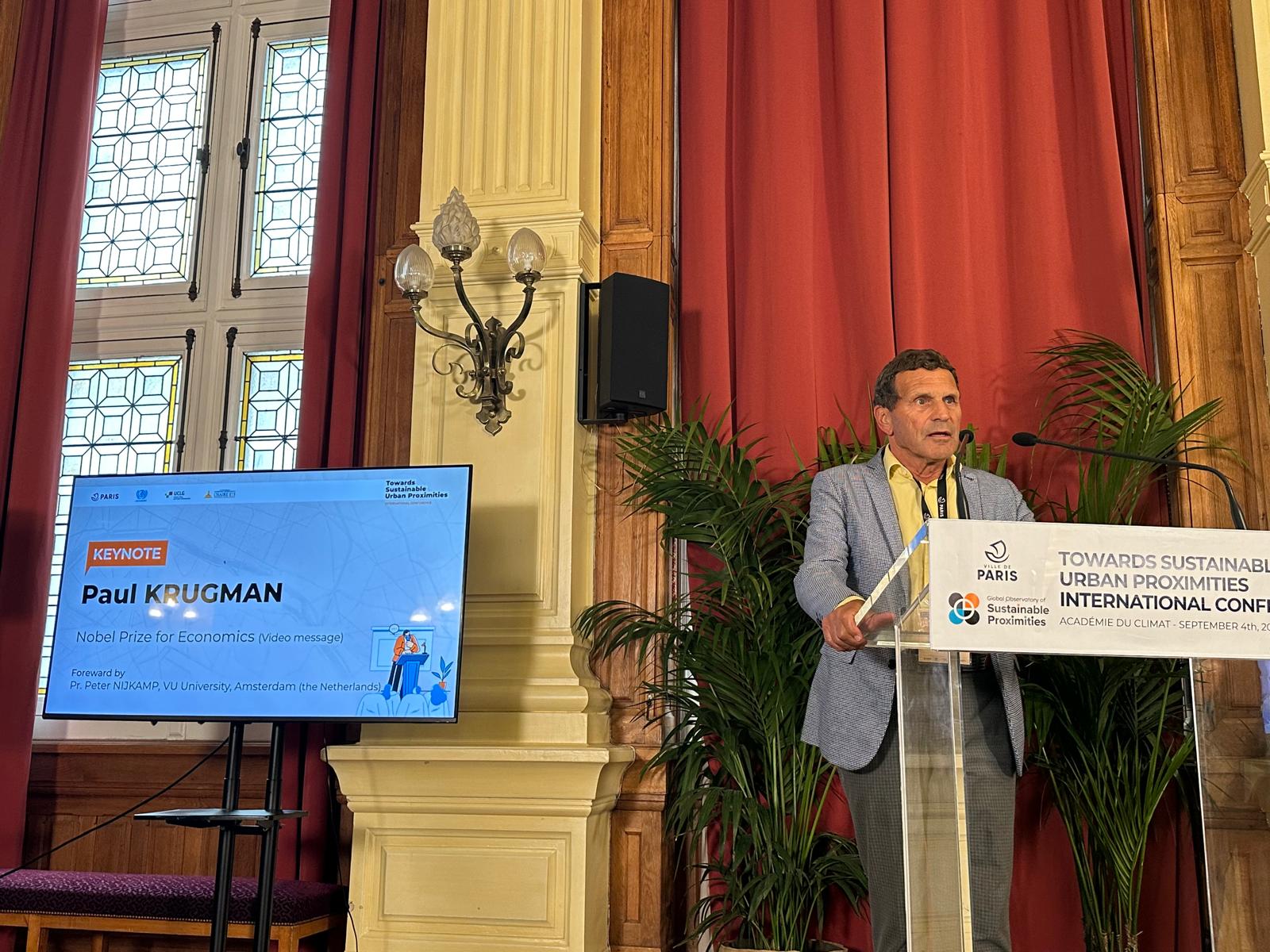
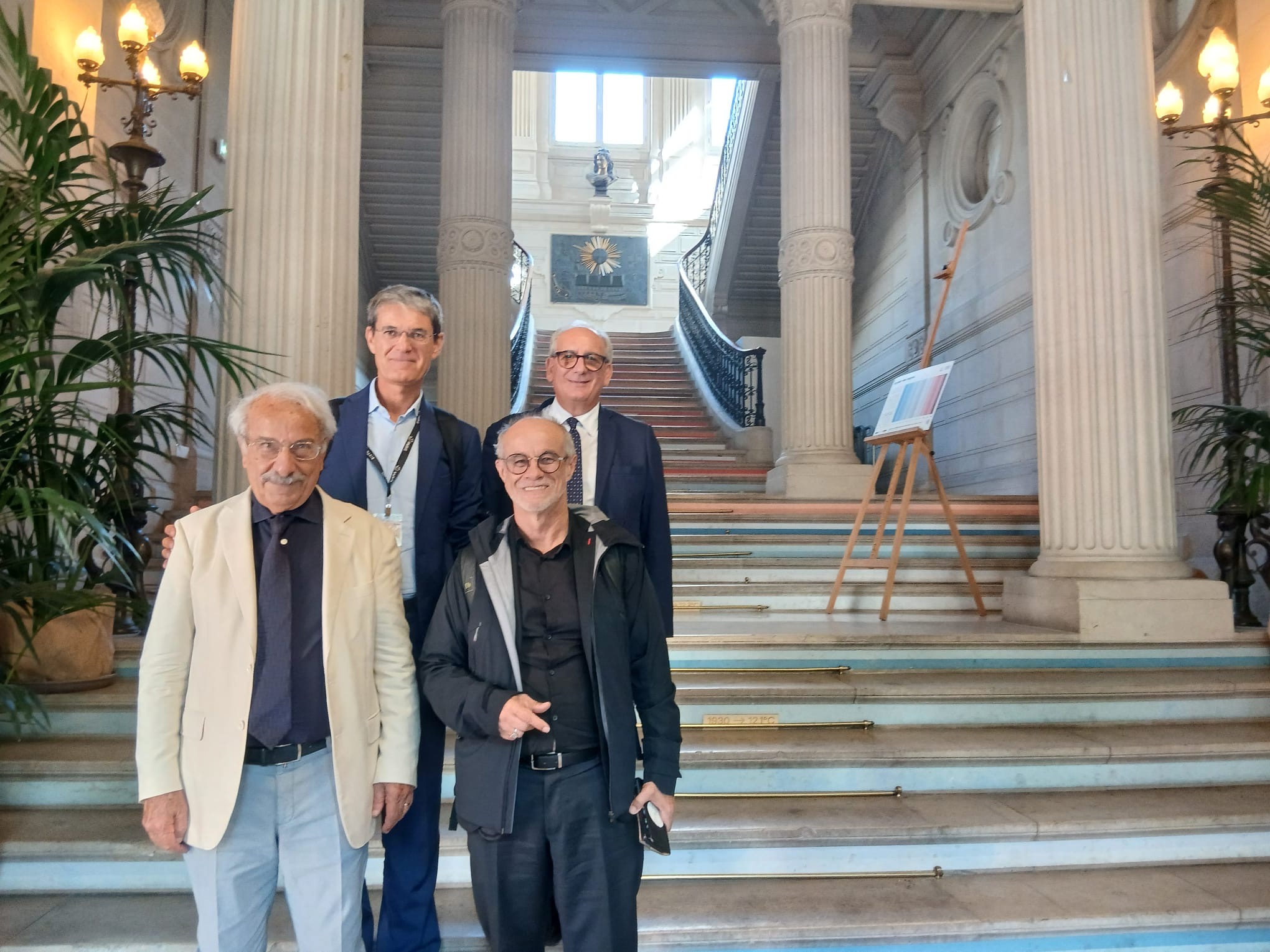
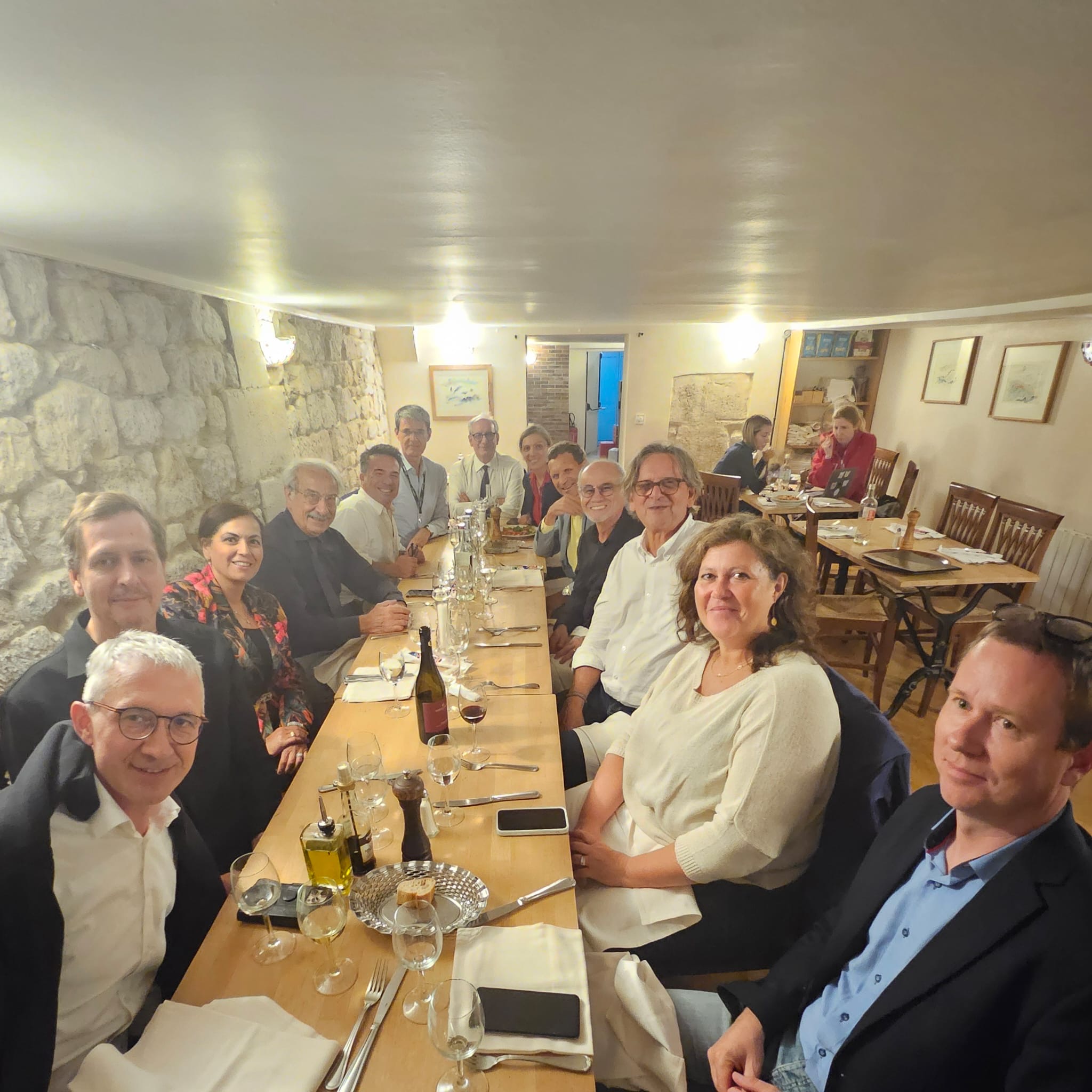
The National Council of Architects, Planners, Landscape Architects and Conservators (CNAPPC) and its Scientific Committee took an active part in the two-day International Conference on Urban Sustainable Proximities, held in Paris on September 4 and 5, 2025.
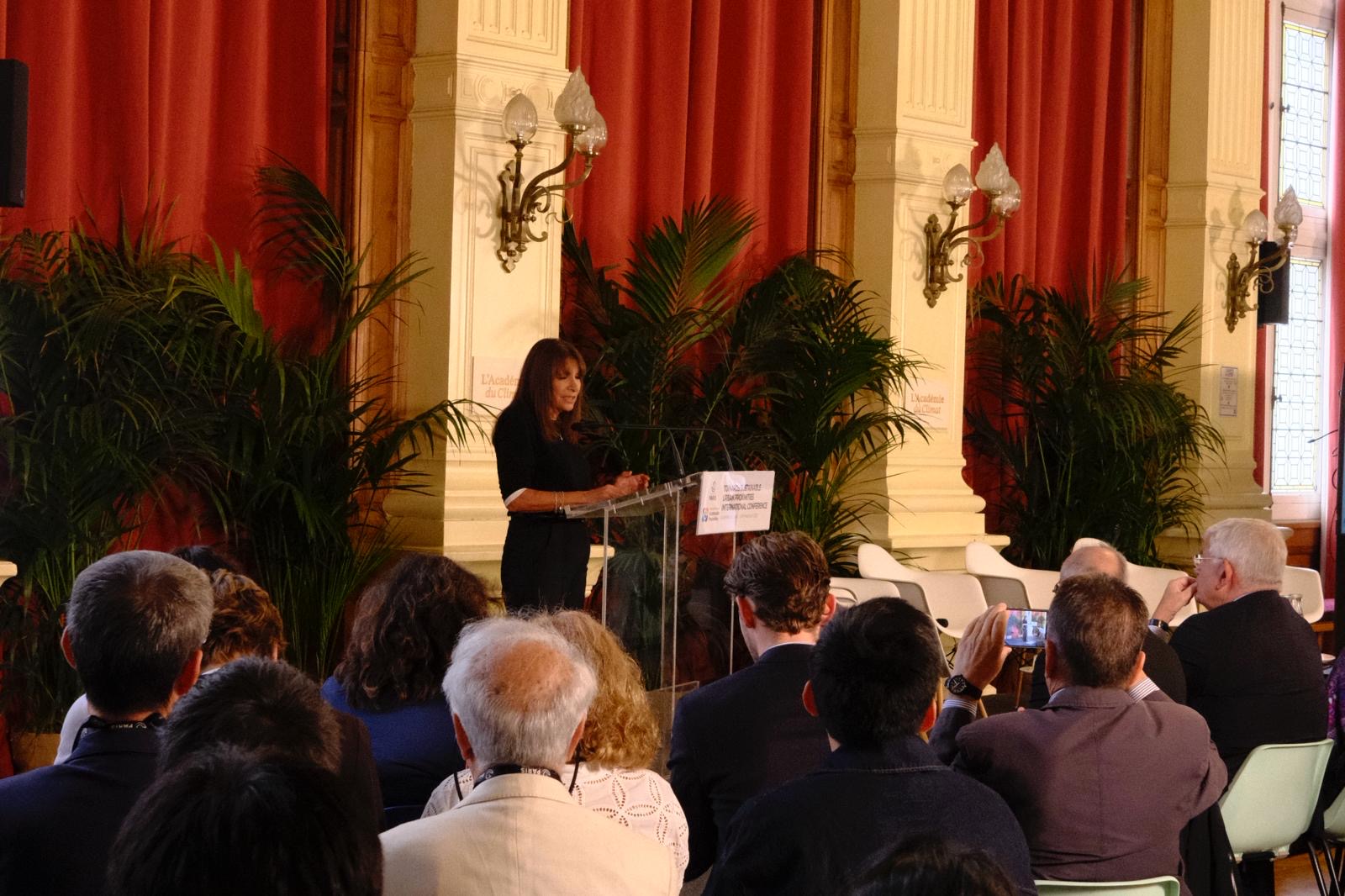
On September 4, the opening session took place at the Académie du Climat, an emblematic venue for ecological and civic transition, where new perspectives on proximity as a driver of sustainable urban transformation were discussed.
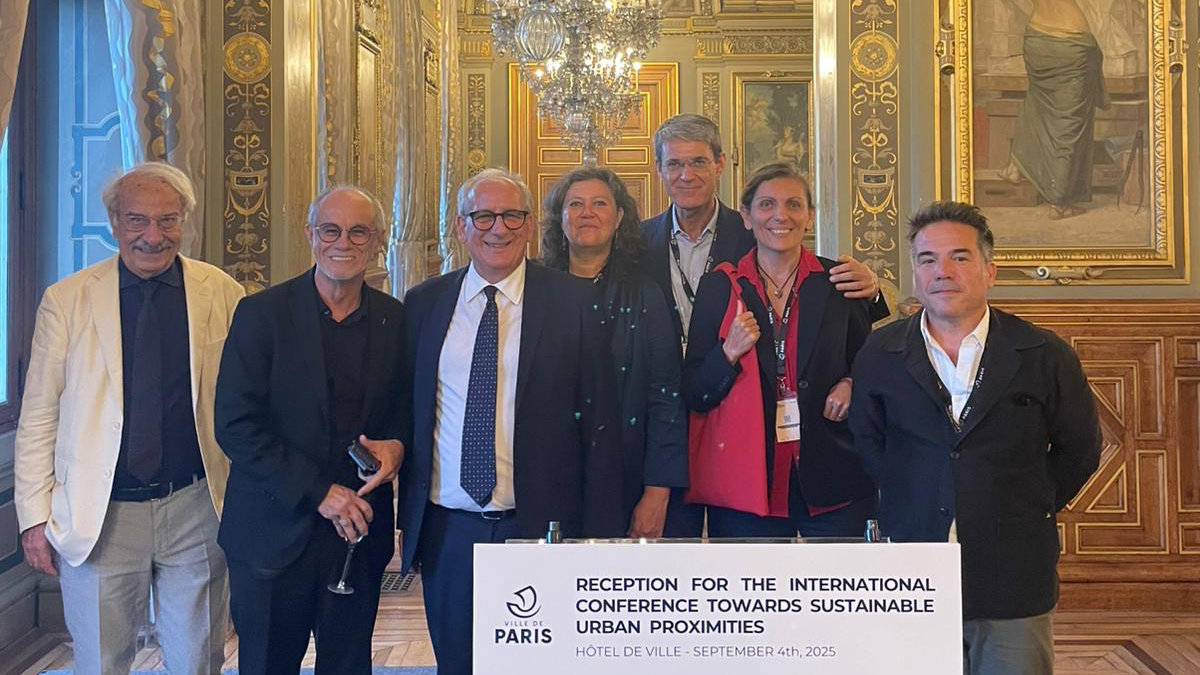
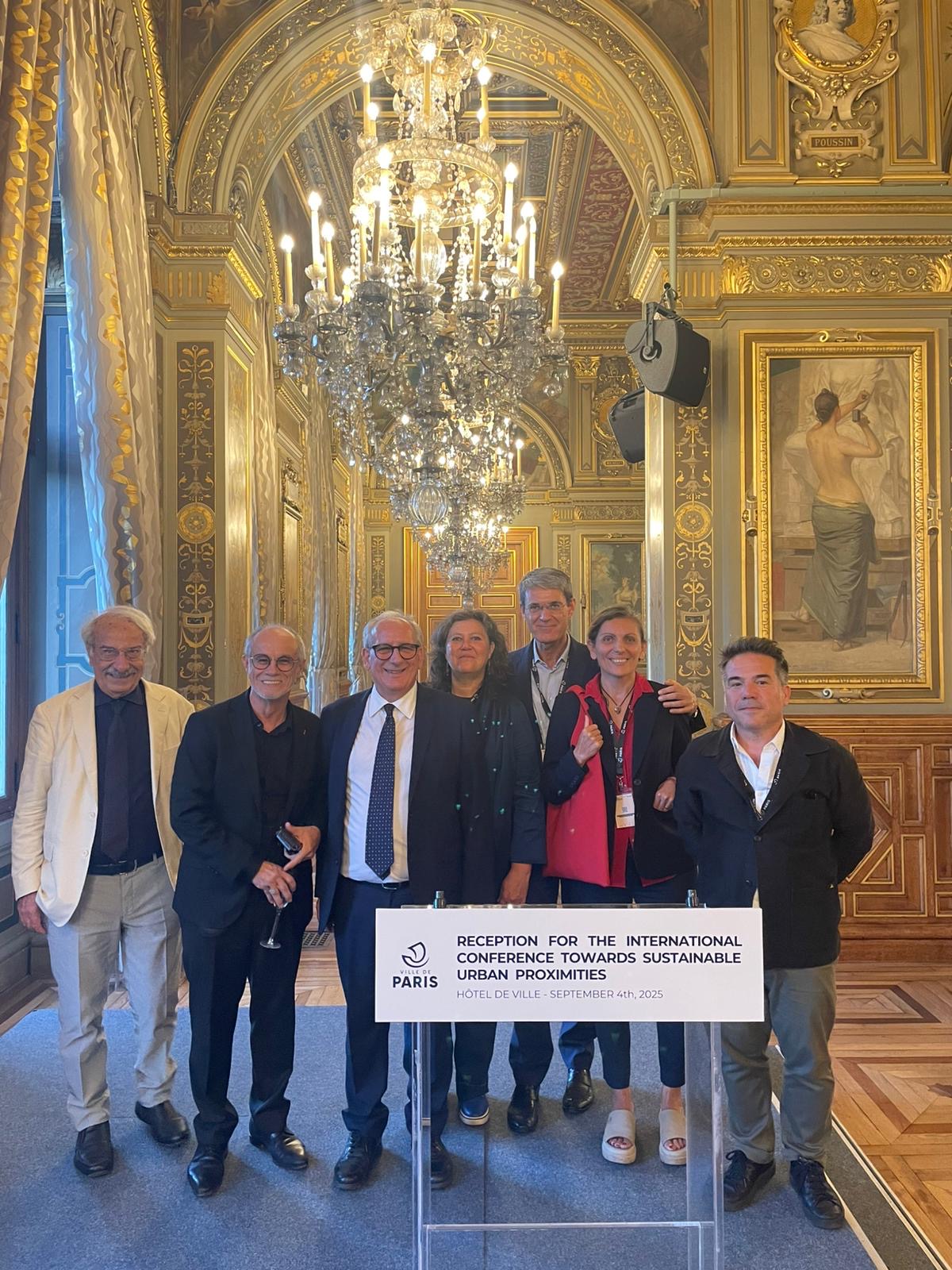
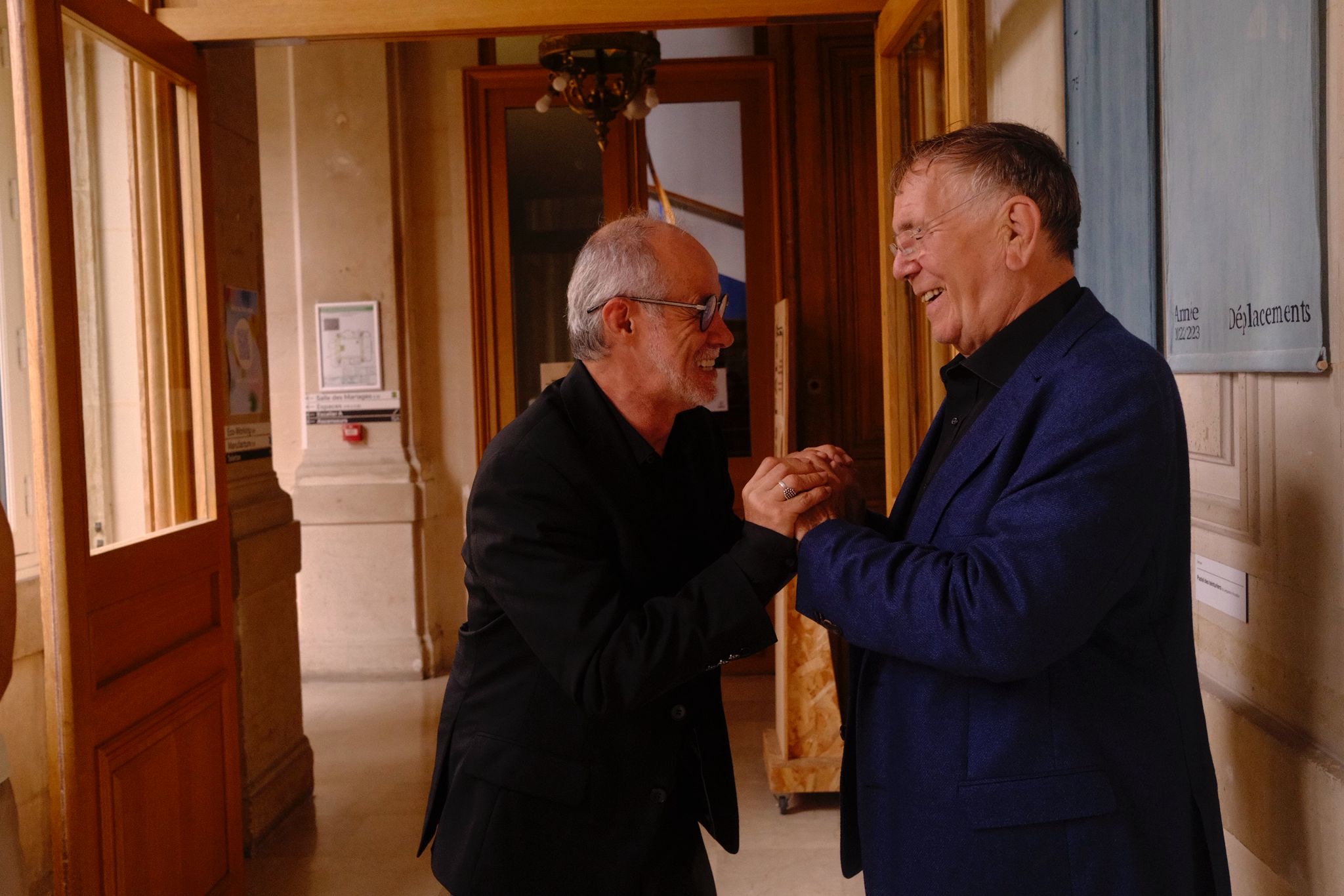
Following this event, the CNAPPC and its Scientific Committee were received at the Hôtel de Ville de Paris by Ana Claudia Rossbach, Executive Director of UN-Habitat. On this occasion, she formally invited the CNAPPC to present its Manifesto – Decalogue on Territorial Proximity at the upcoming 12th World Urban Forum in Baku.
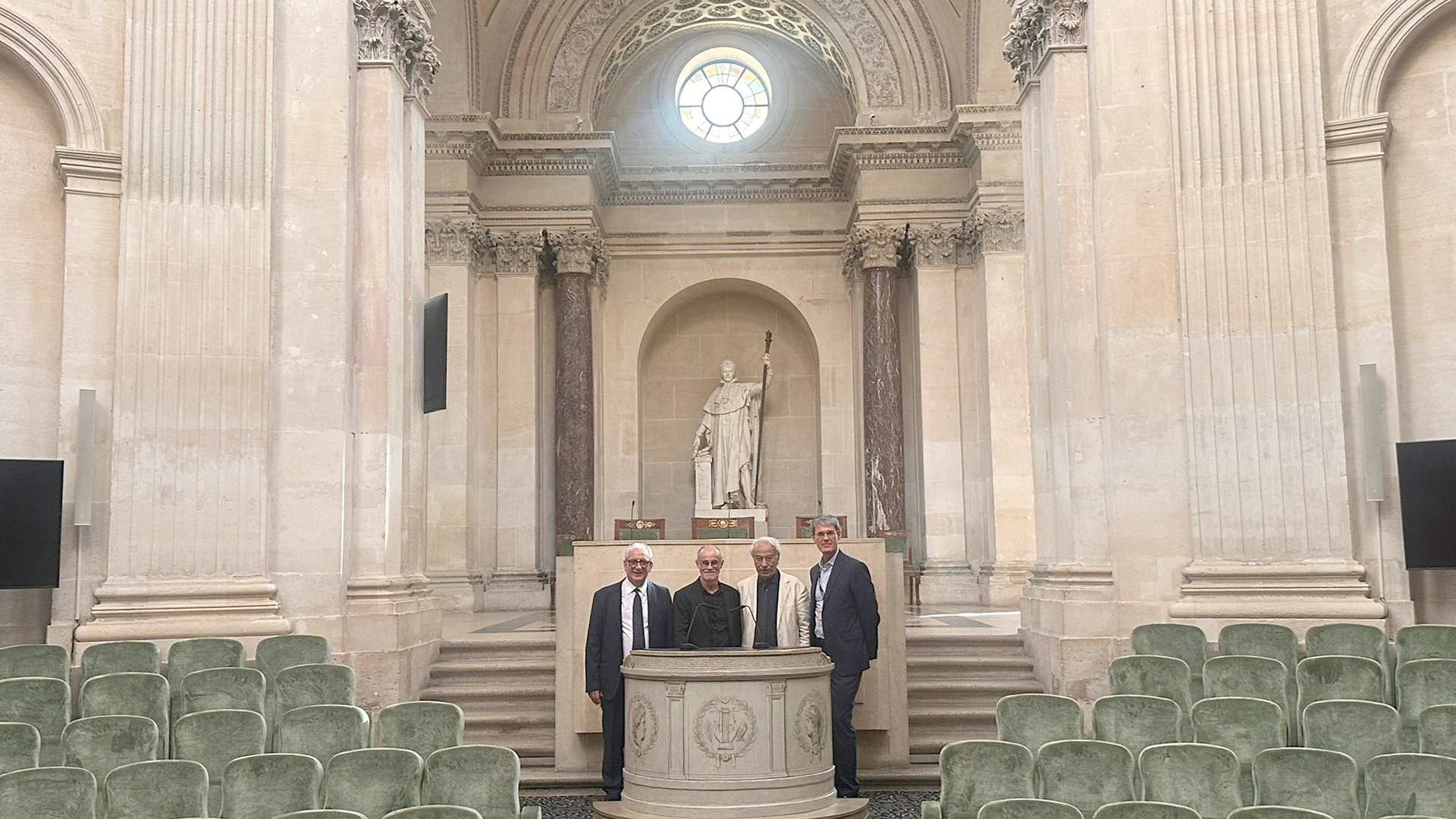
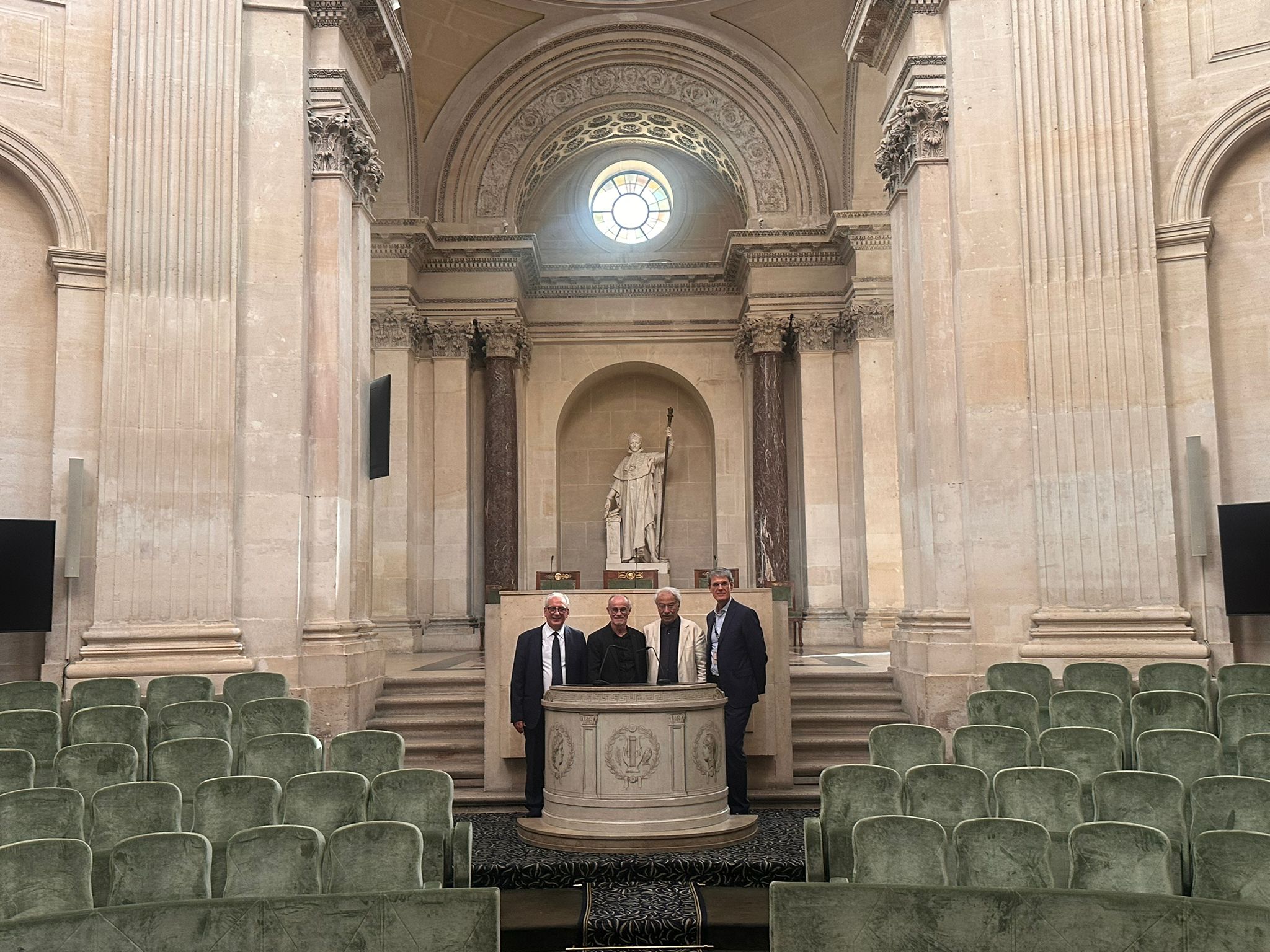
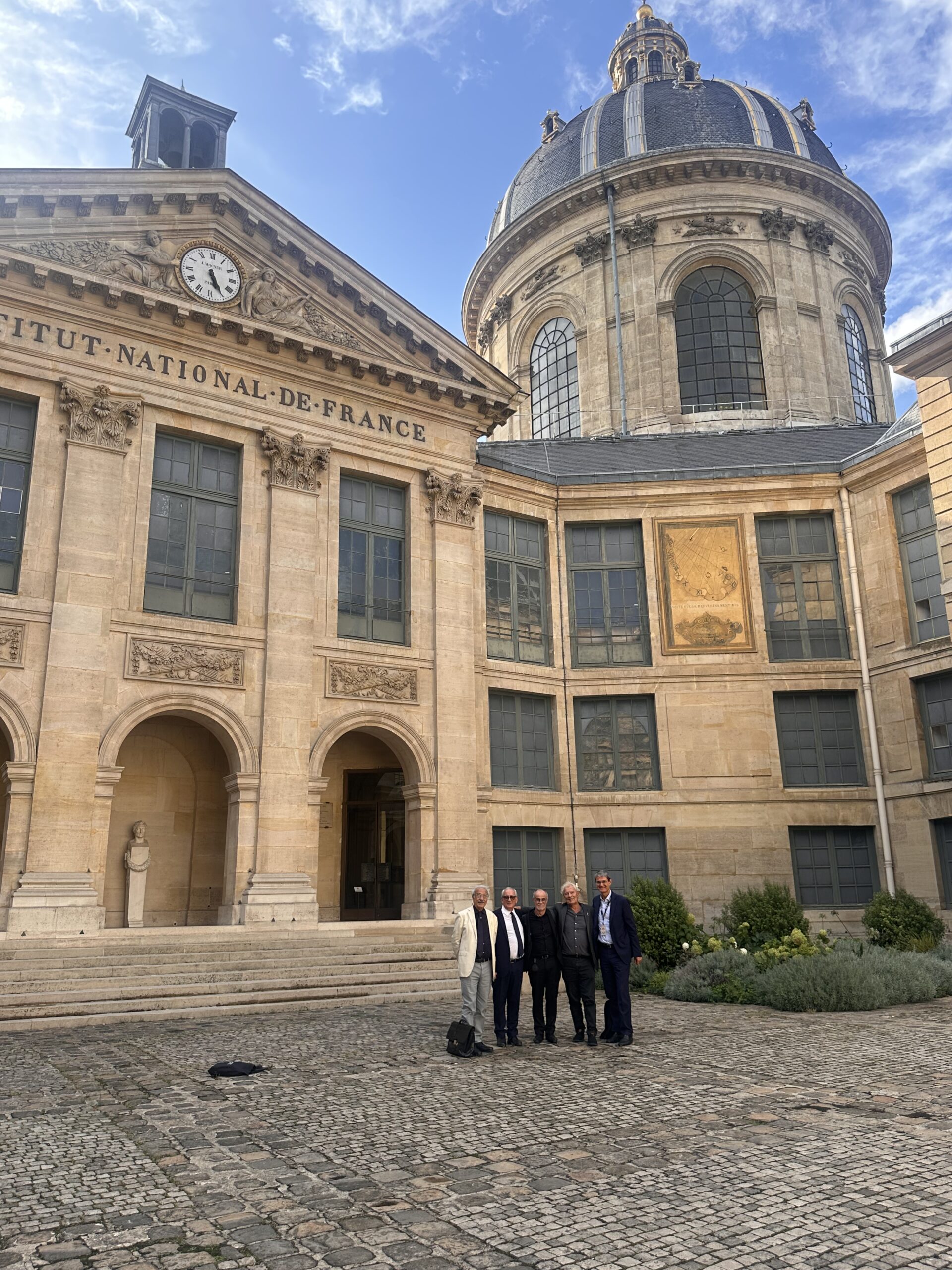
Later in the afternoon, a meeting was held in the prestigious setting of the Institut de France with academician Jacques Rougerie, the renowned architect and oceanographer, who laid the groundwork for future cooperation with the Académie des Beaux-Arts and the Fondation Jacques Rougerie. As a reminder, the Villa Medici in Rome – a historic hub of creation and cultural exchange – also falls under the auspices of the Institut de France and its Académie des Beaux-Arts.
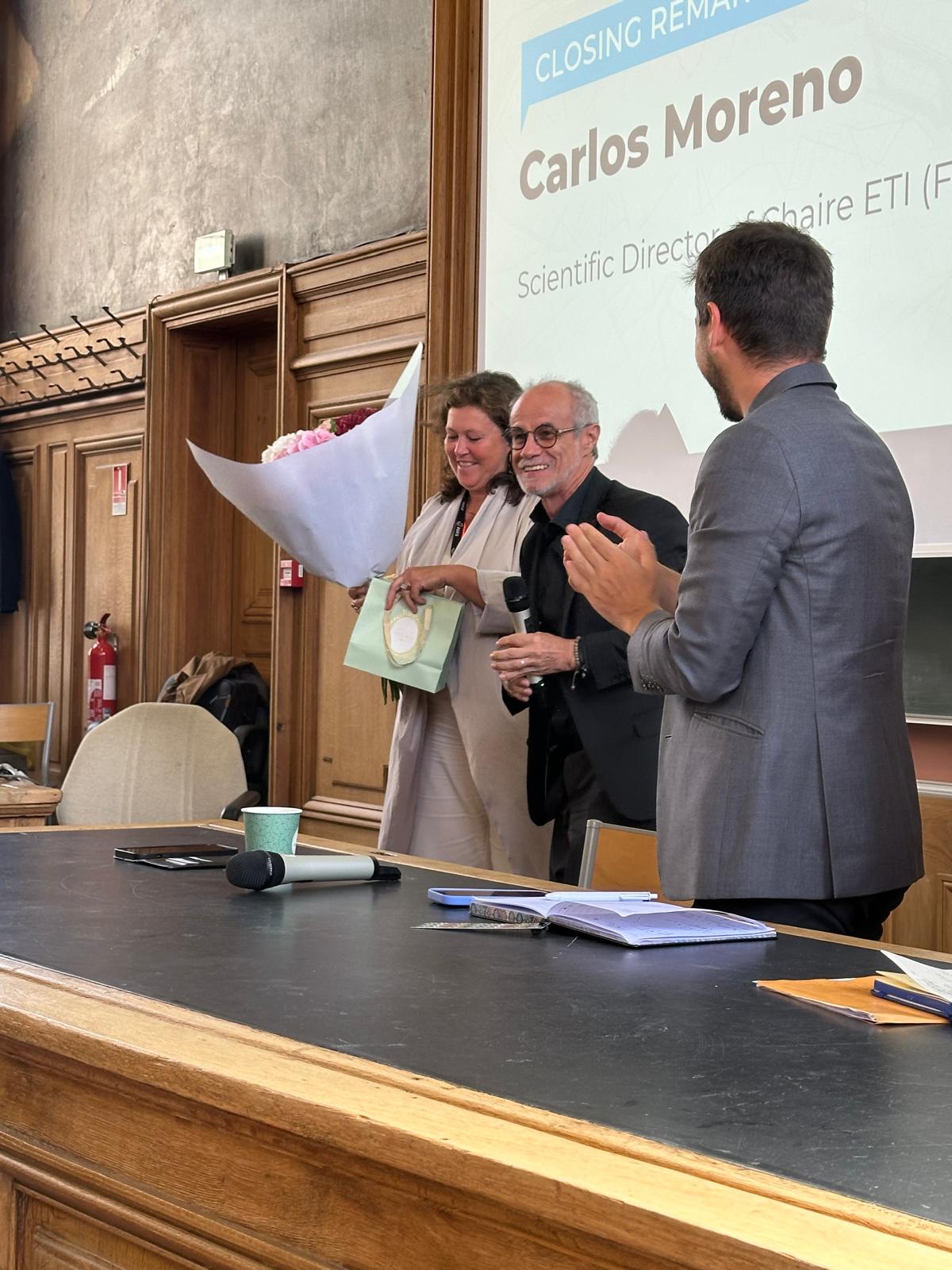
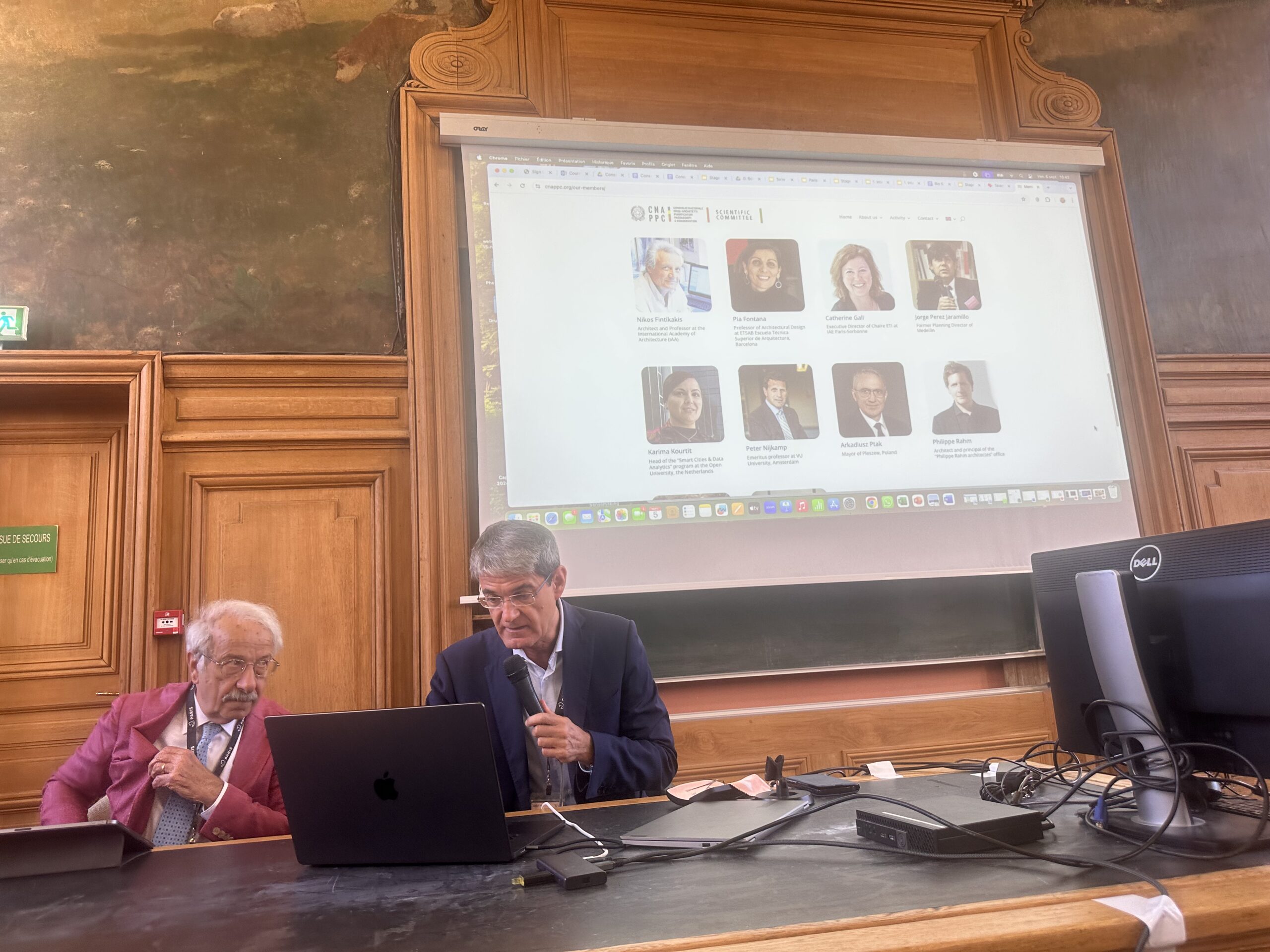
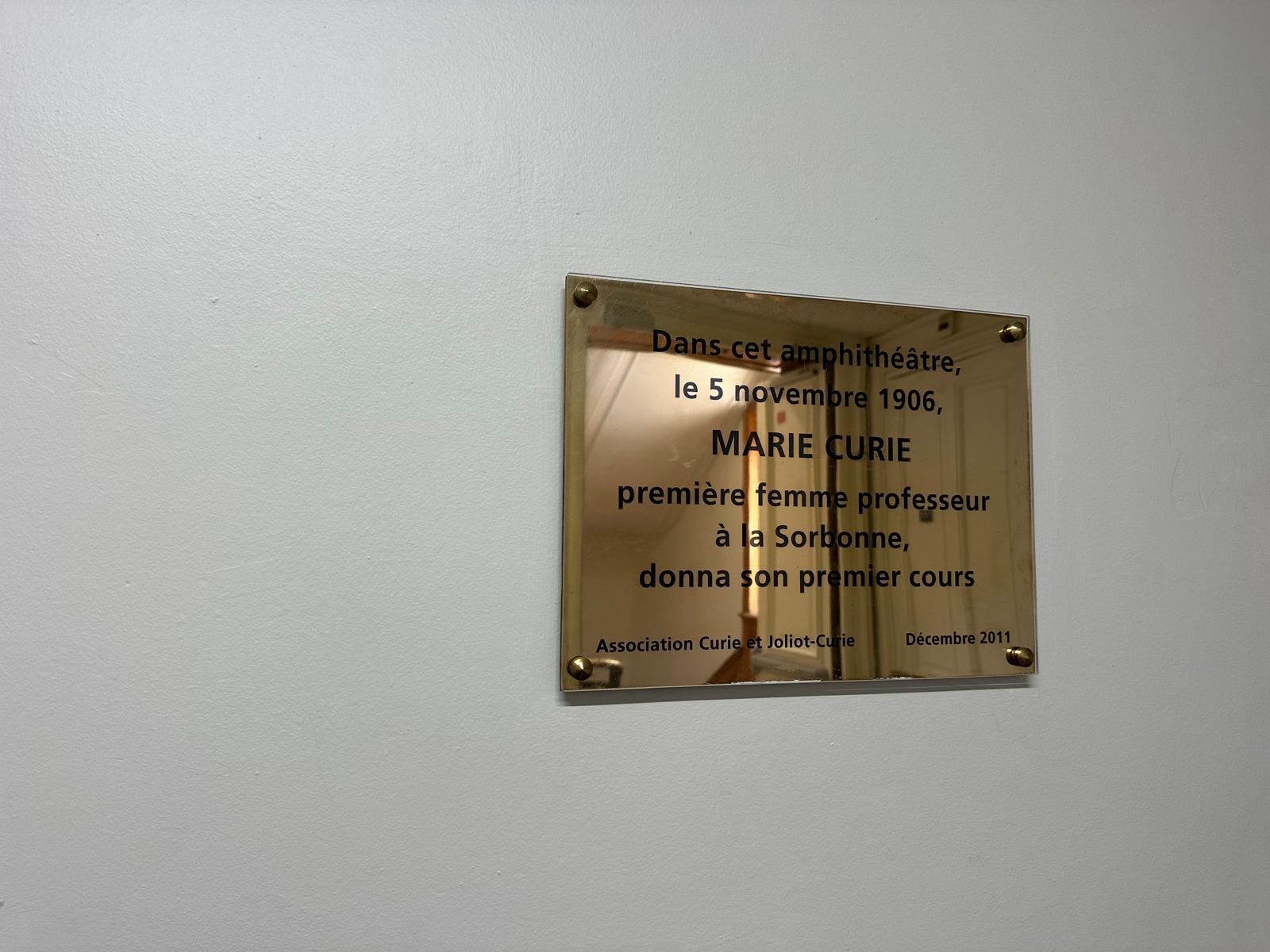
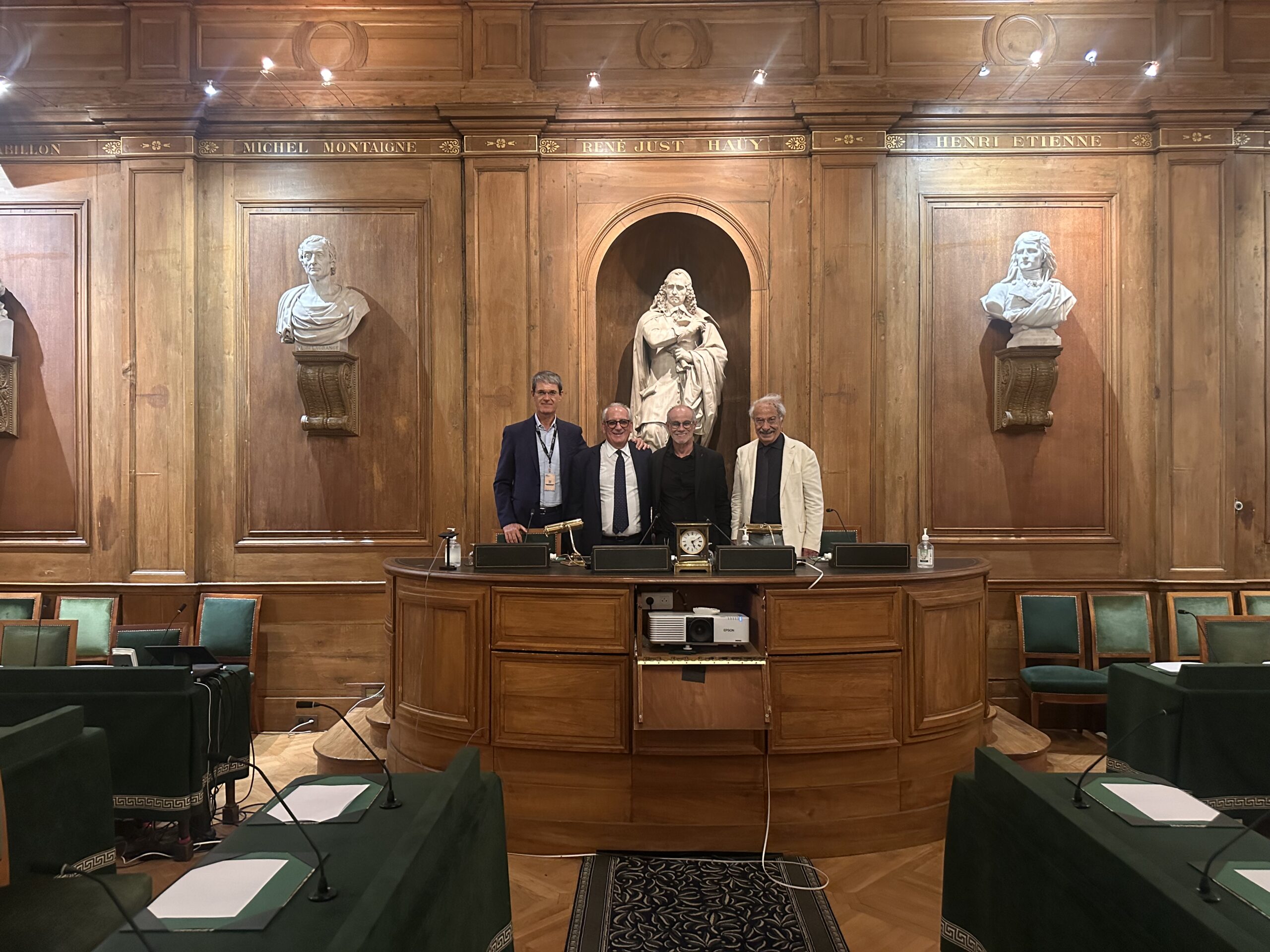
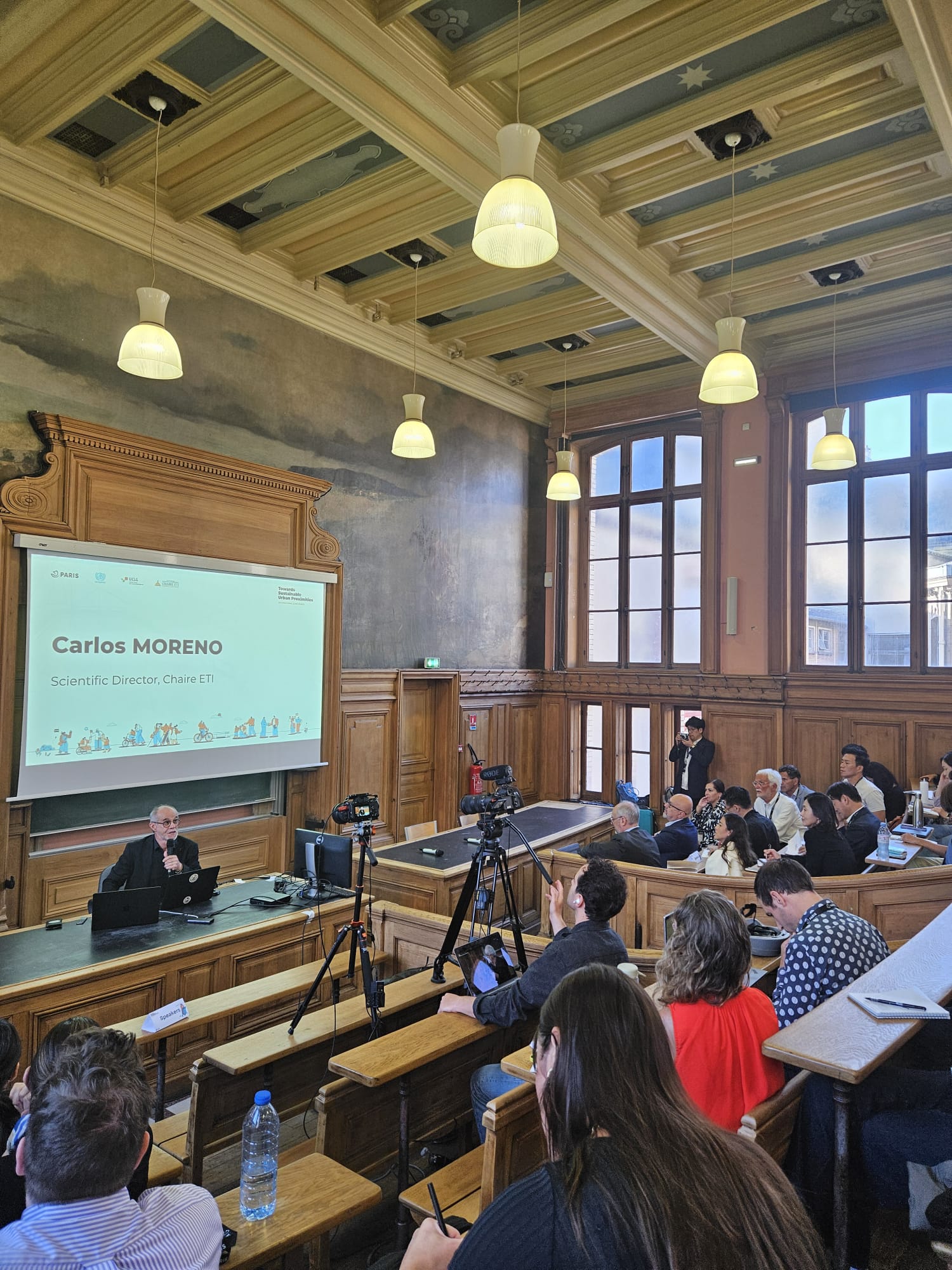
On September 5, the conference continued in the historic Lefebvre amphitheater, where Marie Curie gave her very first university lecture in 1906, thus becoming the first woman to teach at a French university.
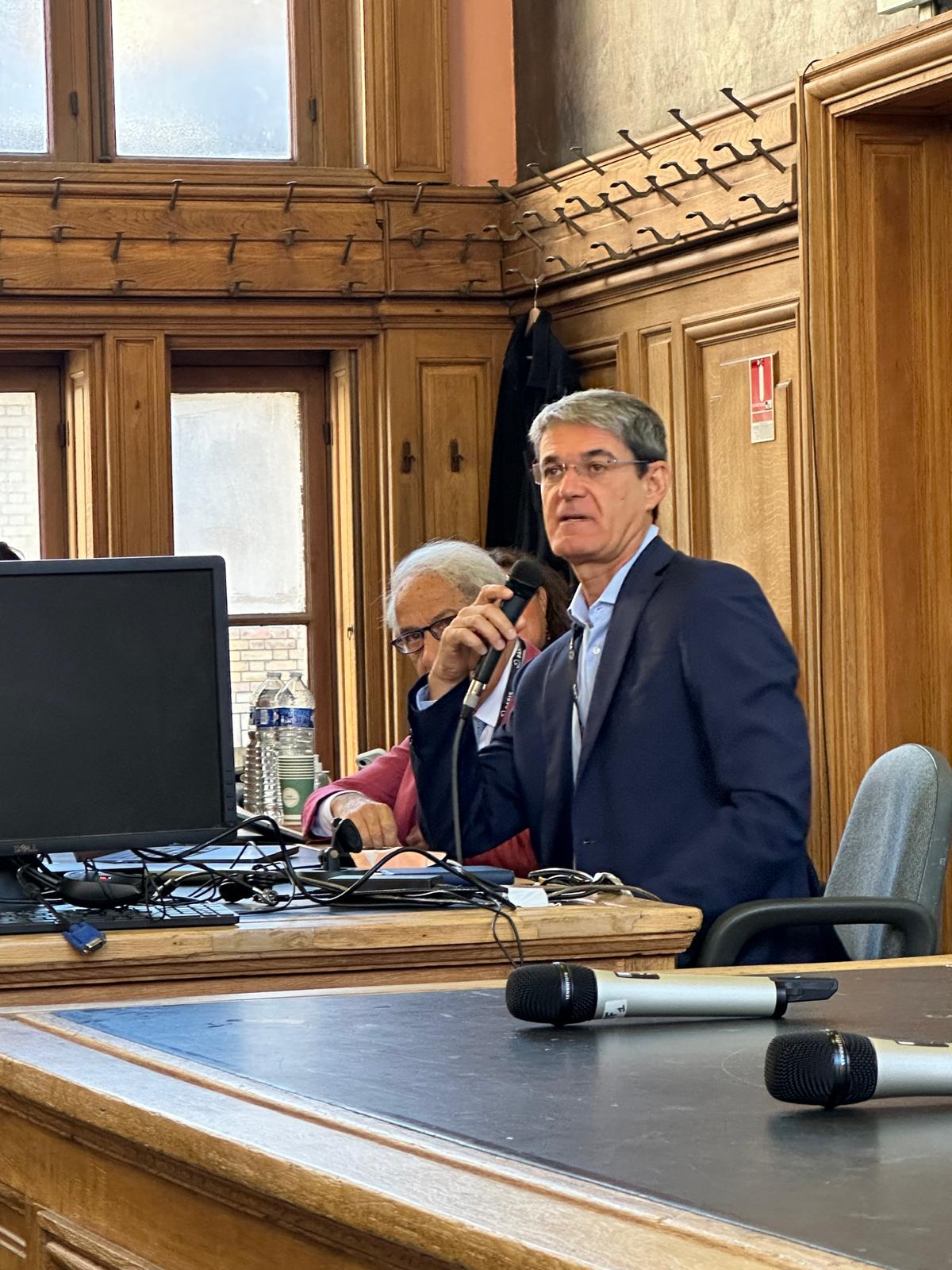
That day, CNAPPC President Massimo Crusi and Giuseppe Cappochin, Head of the Department for Territorial Reform, spoke alongside the President of the Scientific Committee, Professor Carlos Moreno, together with several colleagues and partners: Catherine Gall, Matteo Colleoni, Pia Fontana, Karim Kourtit, Nuno Valentim, Peter Nijkamp, Polish Mayor Arkadiuz Ptak, and architect Philippe Rahm. Together, they presented ongoing reflections on proximity as a key principle in shaping future urban and territorial policies.
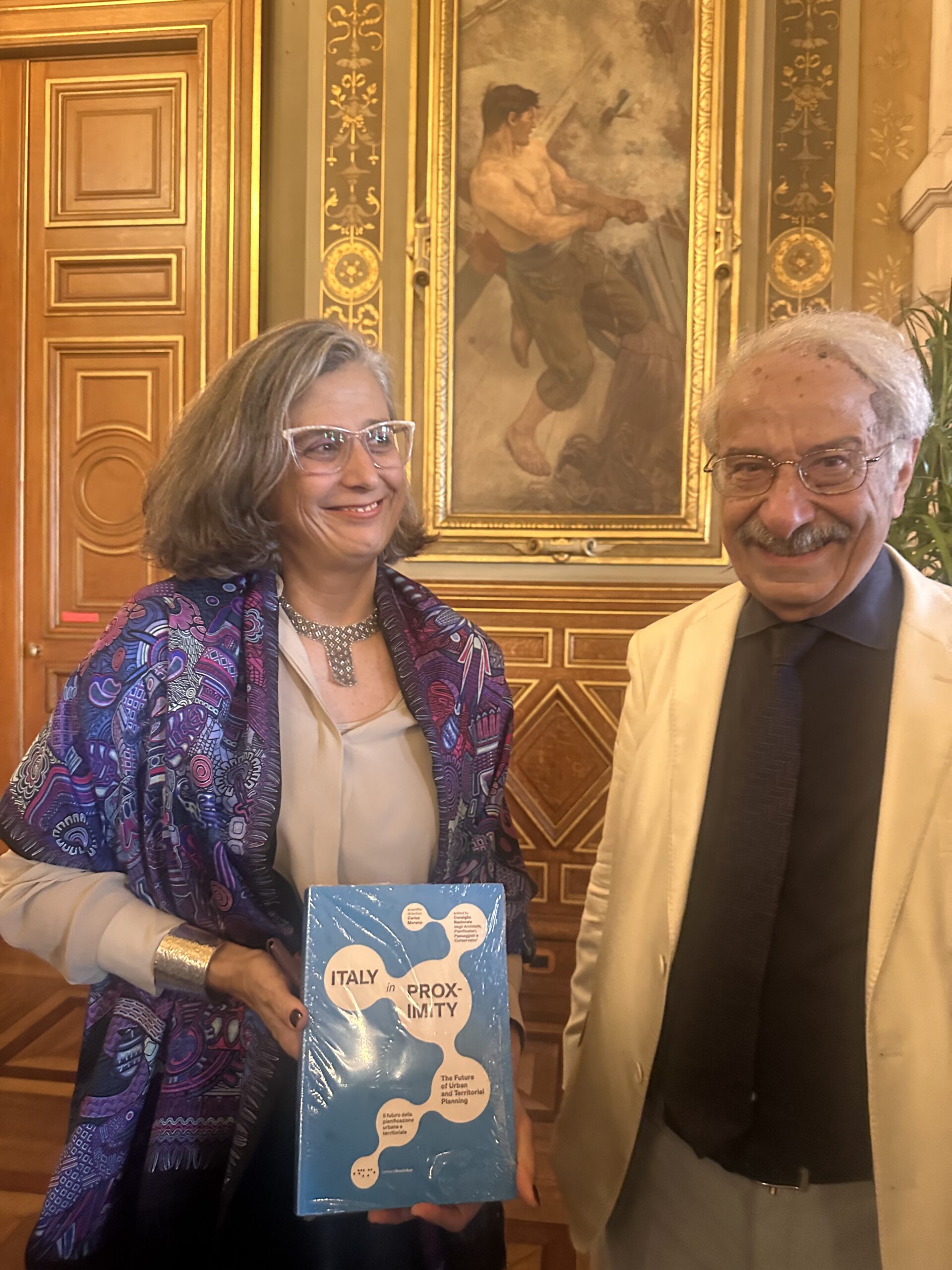
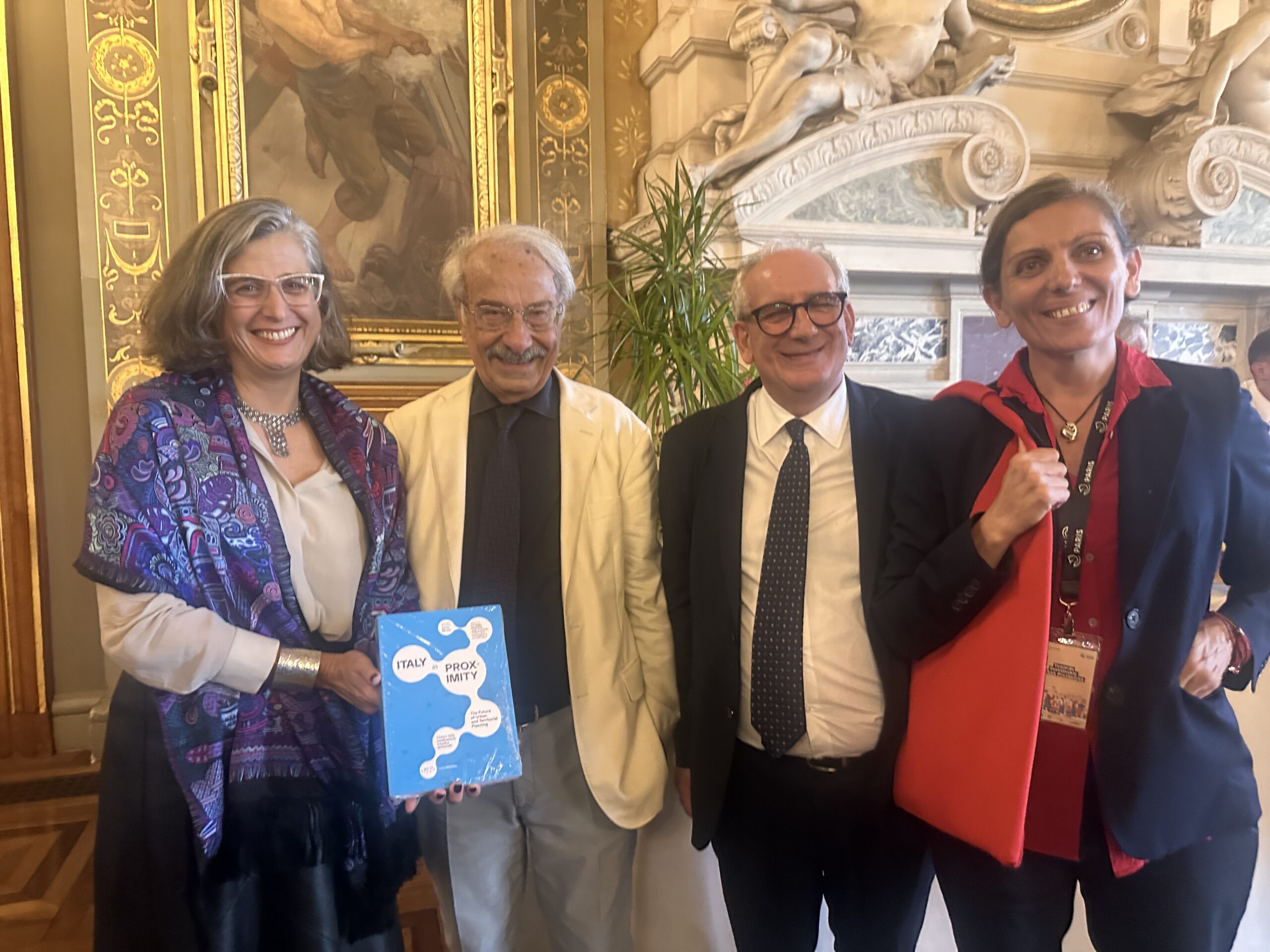
In the same amphitheater, Giuseppe Cappochin and Professor Matteo Colleoni shared the book Italy in Proximity, contributing to the academic and professional debate, and officially announced the launch of the Scientific Committee’s website.
The day also featured a working meeting with Christophe Millet, President of the French National Council of the Order of Architects (CNOA), and its Director General, Marie-Aude Bailly-Le Bar, to explore avenues for strengthening cooperation between Italian and French peers.
Finally, on September 5, the day concluded with the in-person meeting of the Scientific Committee, dedicated to advancing its ongoing work and outlining the new actions planned for the end of 2025 and the beginning of 2026.
All these moments highlight the international dynamism of the CNAPPC and confirm the pivotal role of its Scientific Committee in building partnerships of excellence and promoting urban and territorial proximities as innovative responses to the challenges of our time.
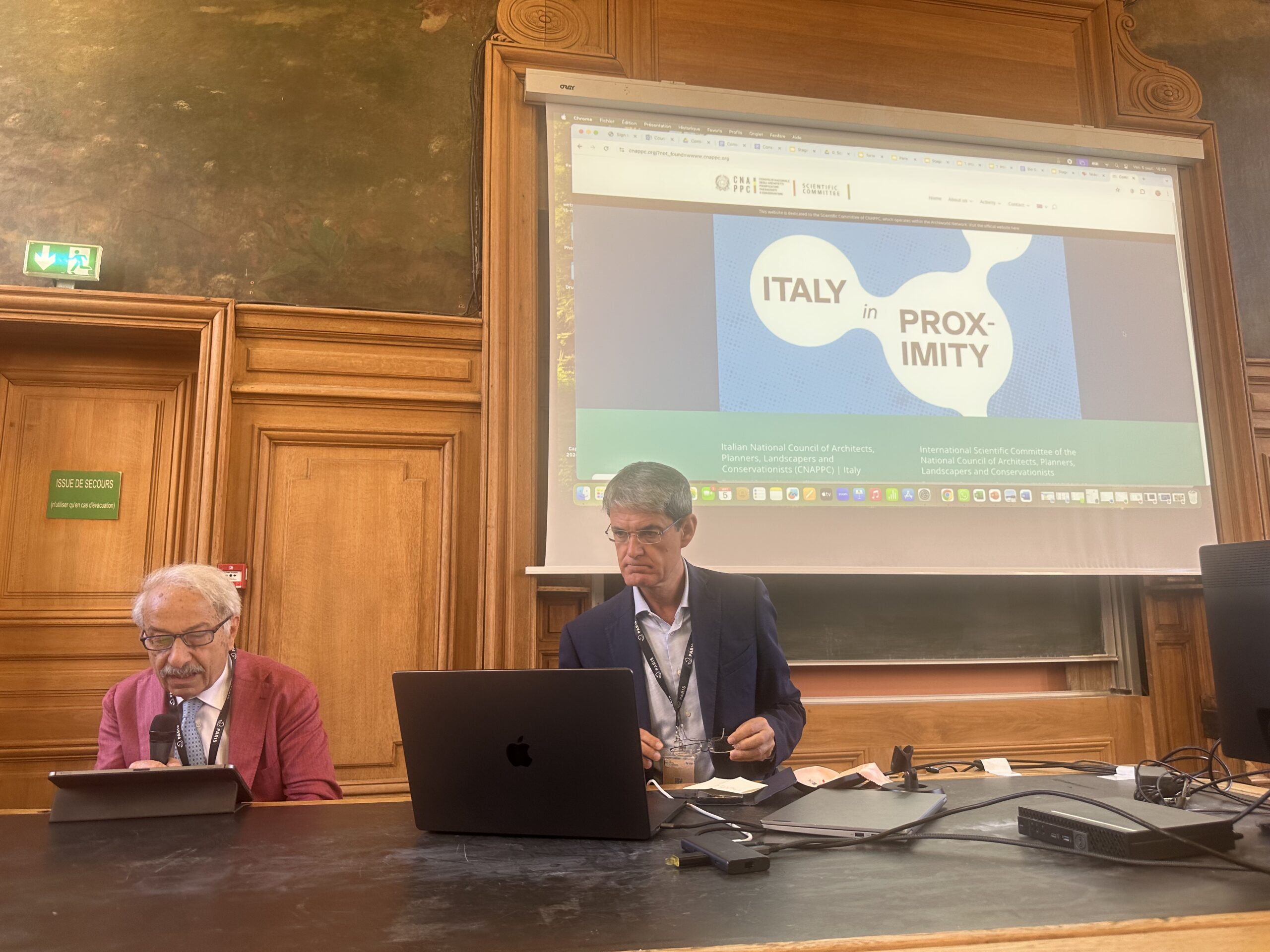
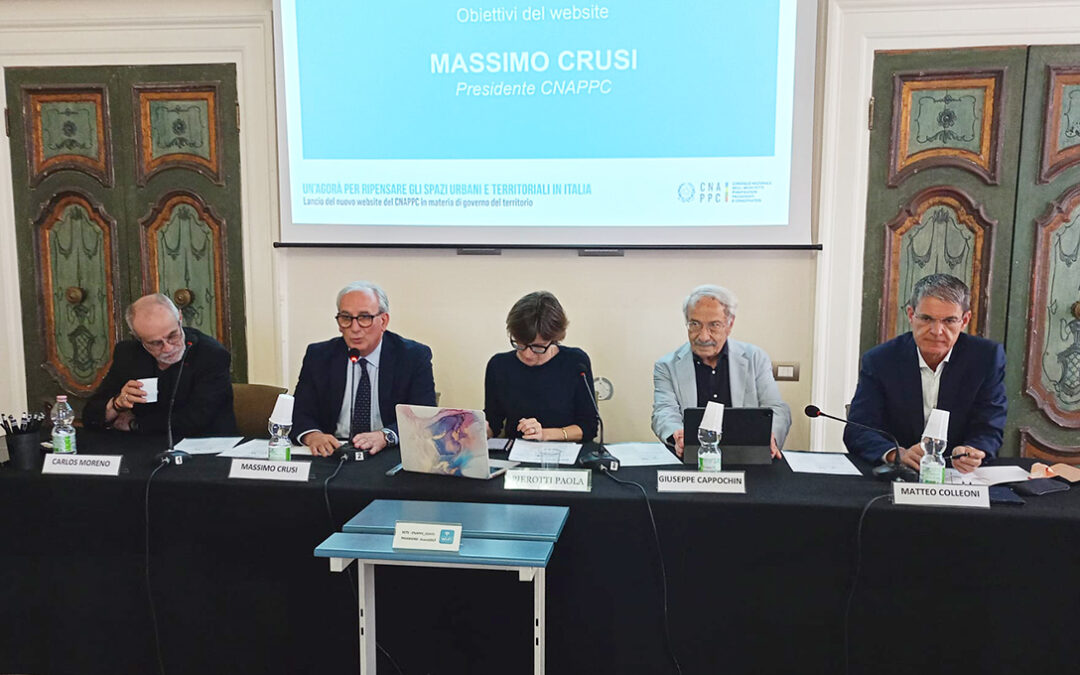
Presentation of the new CNAPPC’s website dedicated to territorial governance
July 3rd, 2025 / ROMA
Read the program
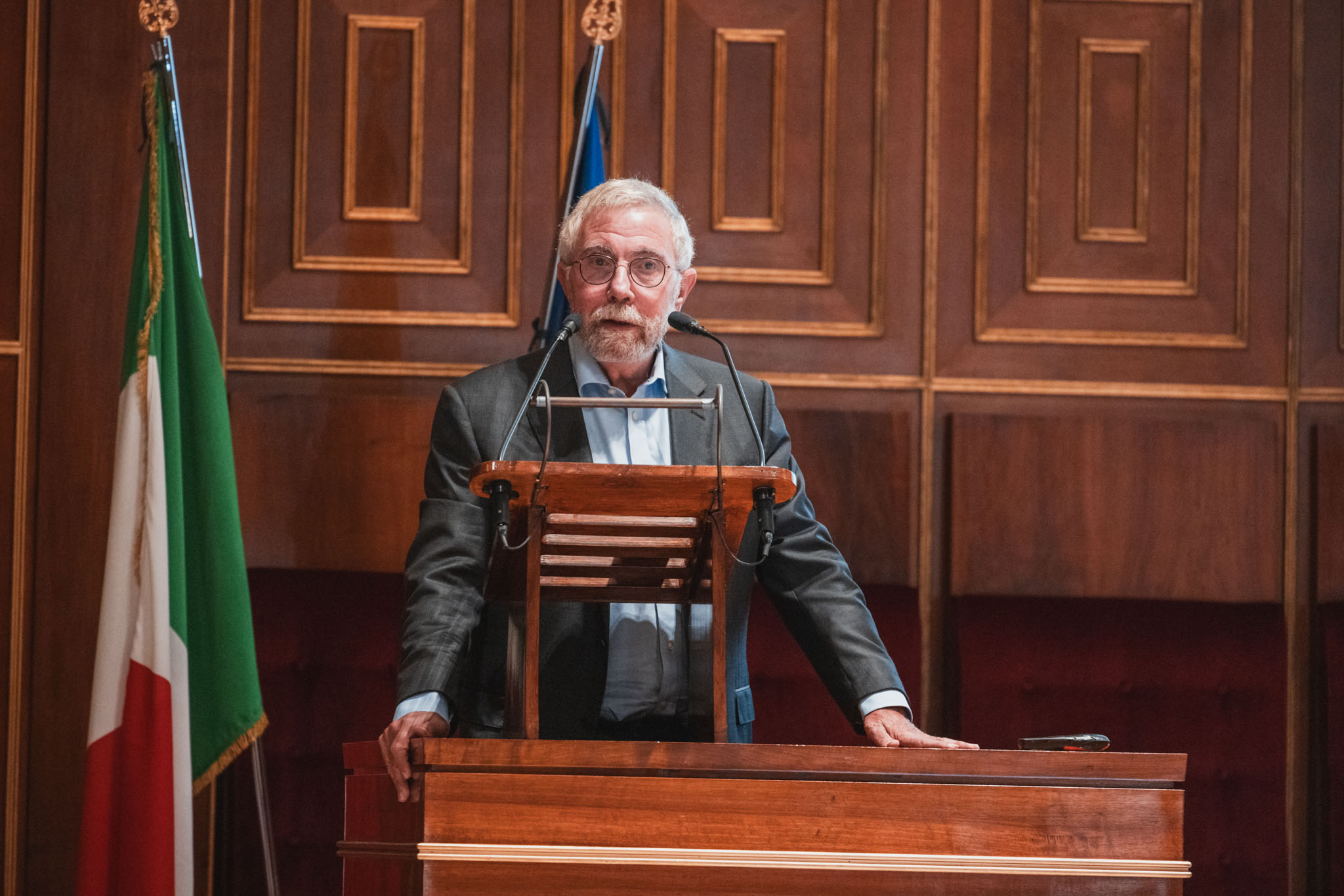
The CNAPPC continues its commitment to urban regeneration with a new website, promoted by the Urban Reform Department headed by Giuseppe Cappochin. The project, supported by a scientific committee chaired by Carlos Moreno, is a veritable agora for rethinking urban and territorial spaces in our country and for promoting discussions, in-depth analyses and debates at national and international level, as well as formulating new proposals. Studies and initiatives in Italy and abroad have been presented, involving personalities such as the Nobel Laureate in Economics, Paul Krugman. The website, launched on July 3rd in Rome, represents a space for discussion and proposals on a national and international scale.
At the same time, there has been a positive change in the regulatory framework, with the establishment of a national fund and a unified draft law. The CNAPPC has proposed amendments for a more systemic regeneration, overcoming fragmentary approaches. The initiative promotes innovative, sustainable urban planning focused on human well-being.
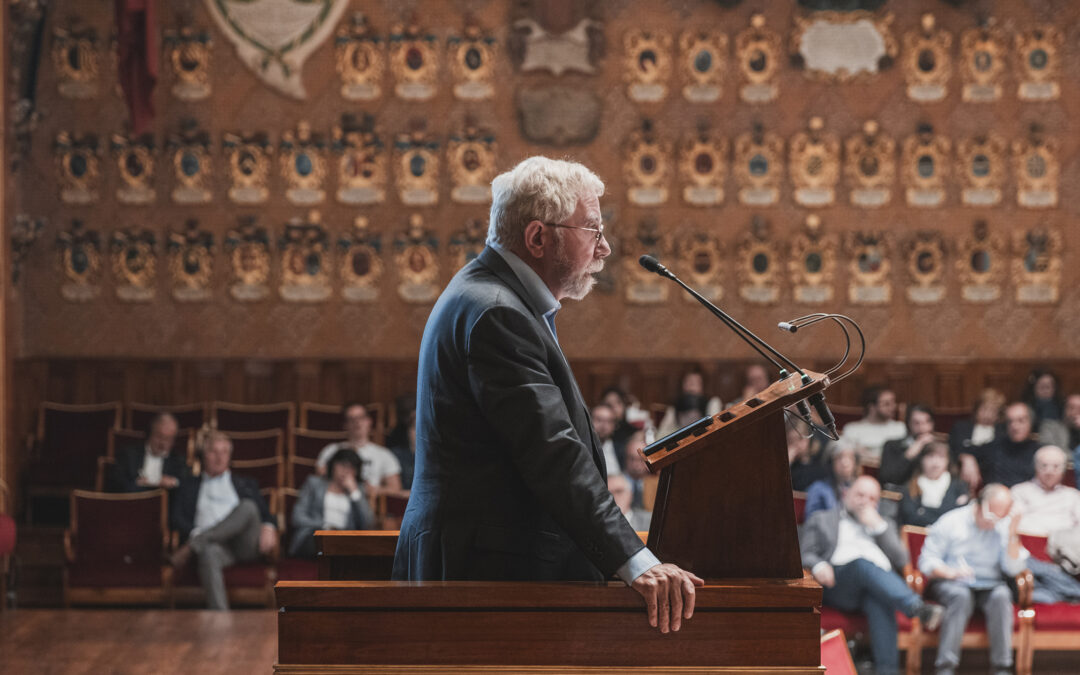
Symposium with Paul Krugman, Nobel Prize in economic sciences
Friday, april 4th, 2025 / University of Padova / PADOVA
Read the program
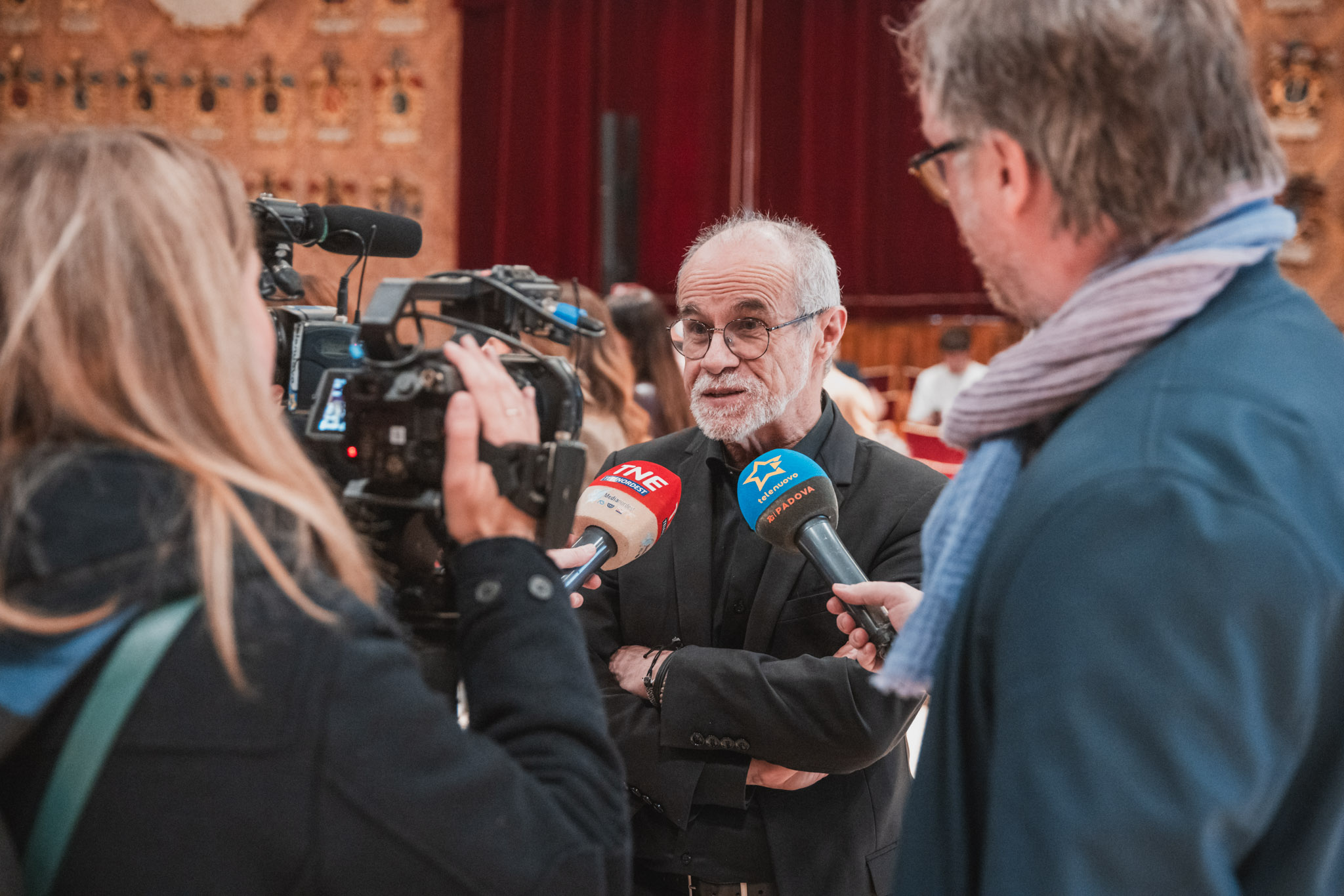
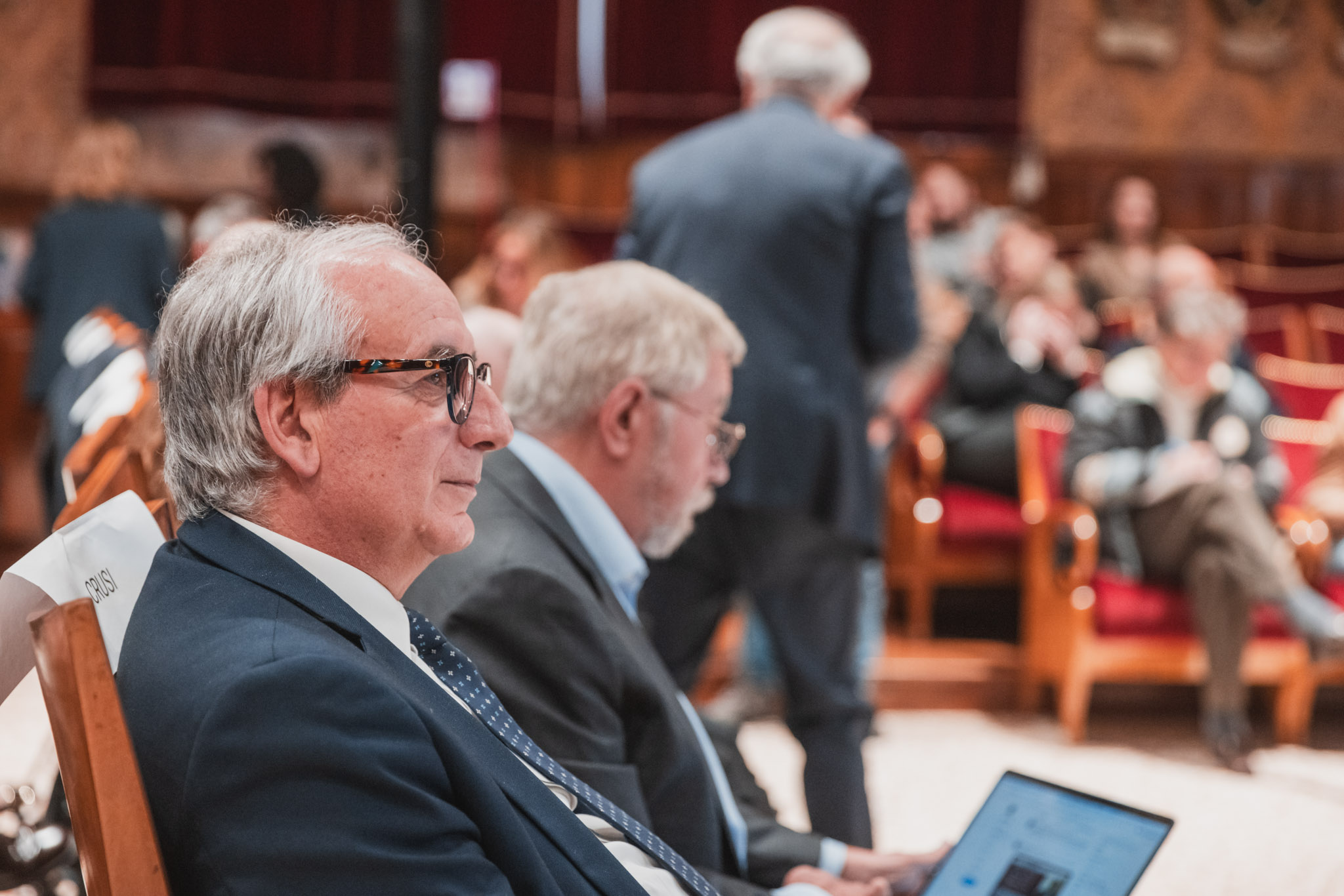
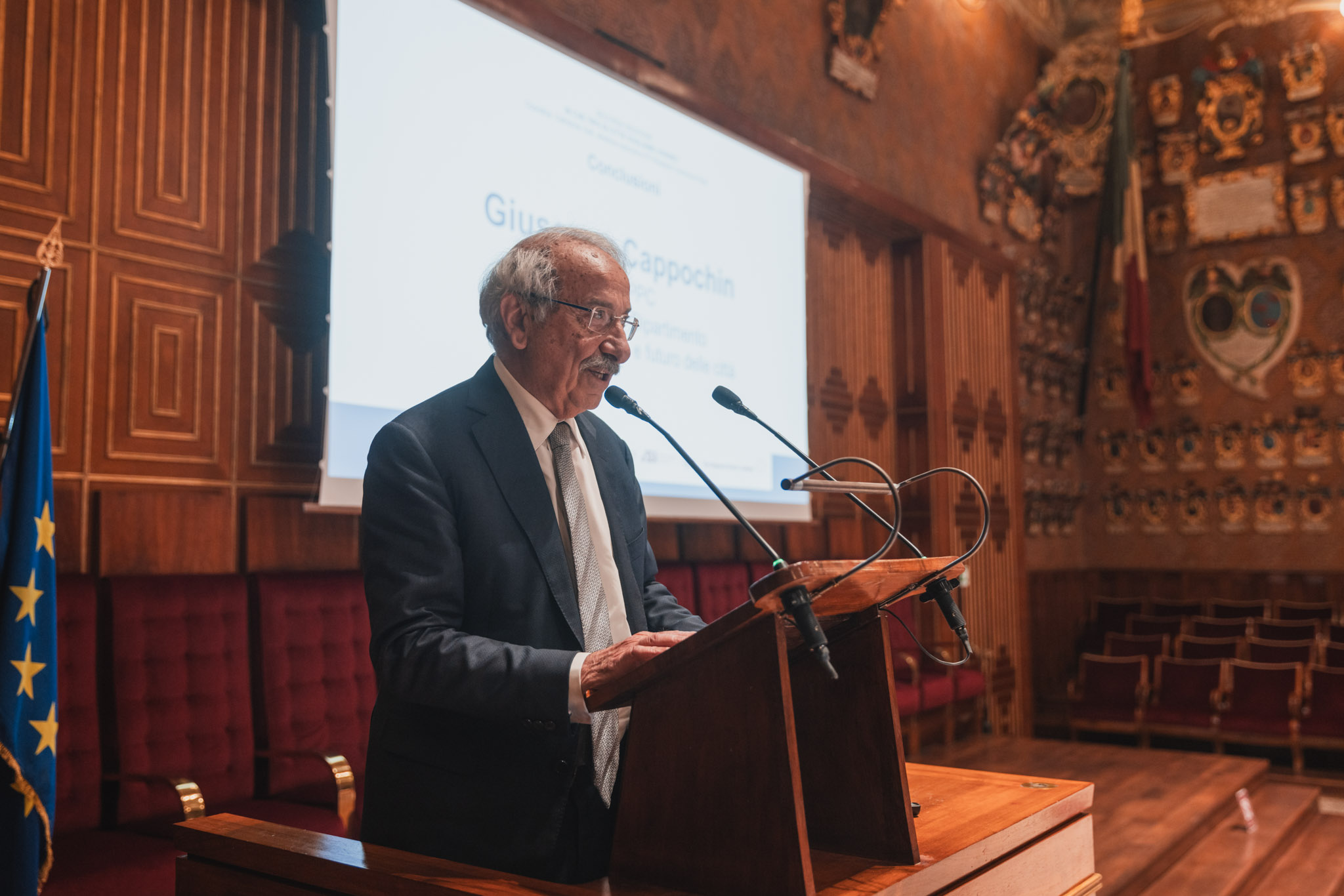
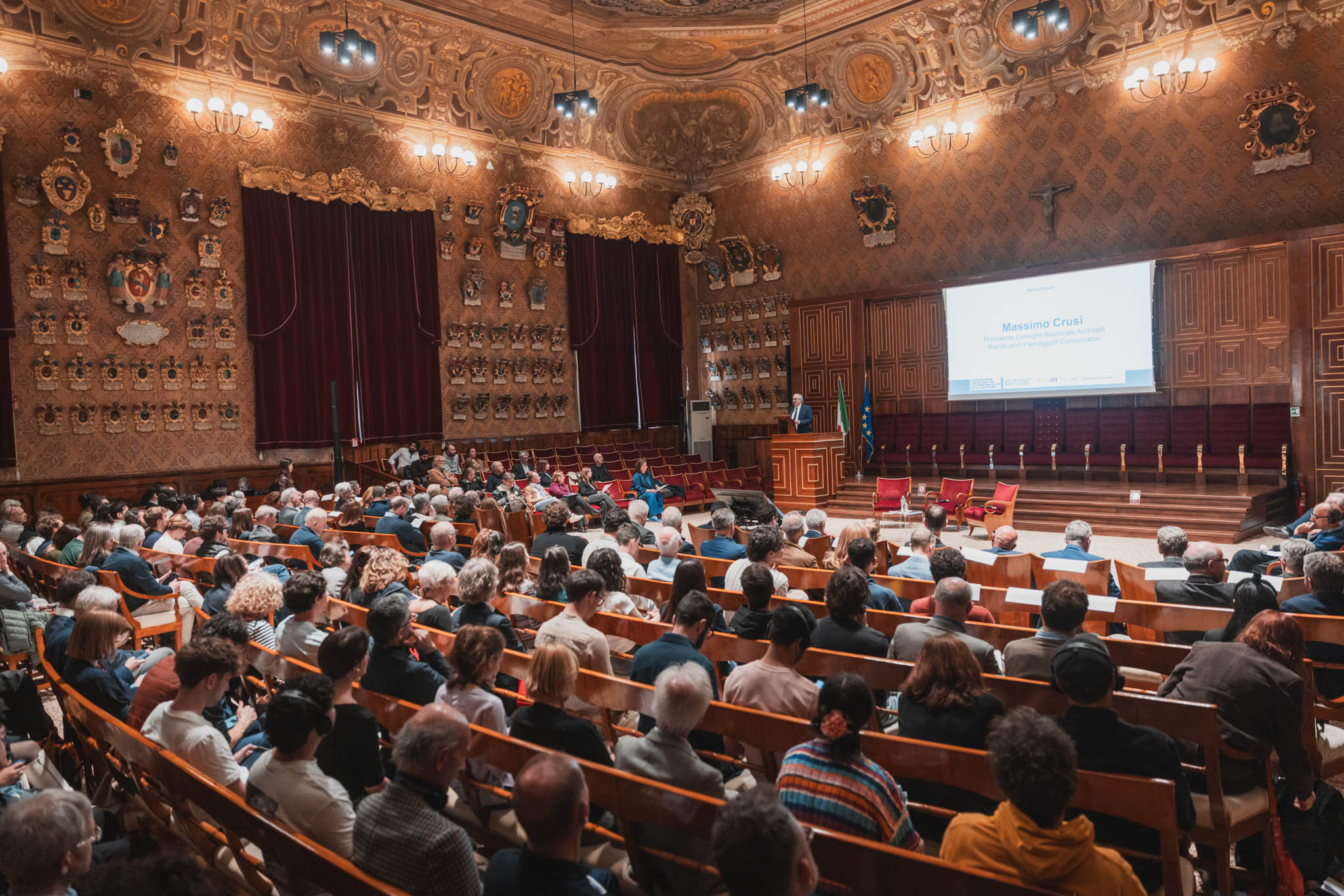
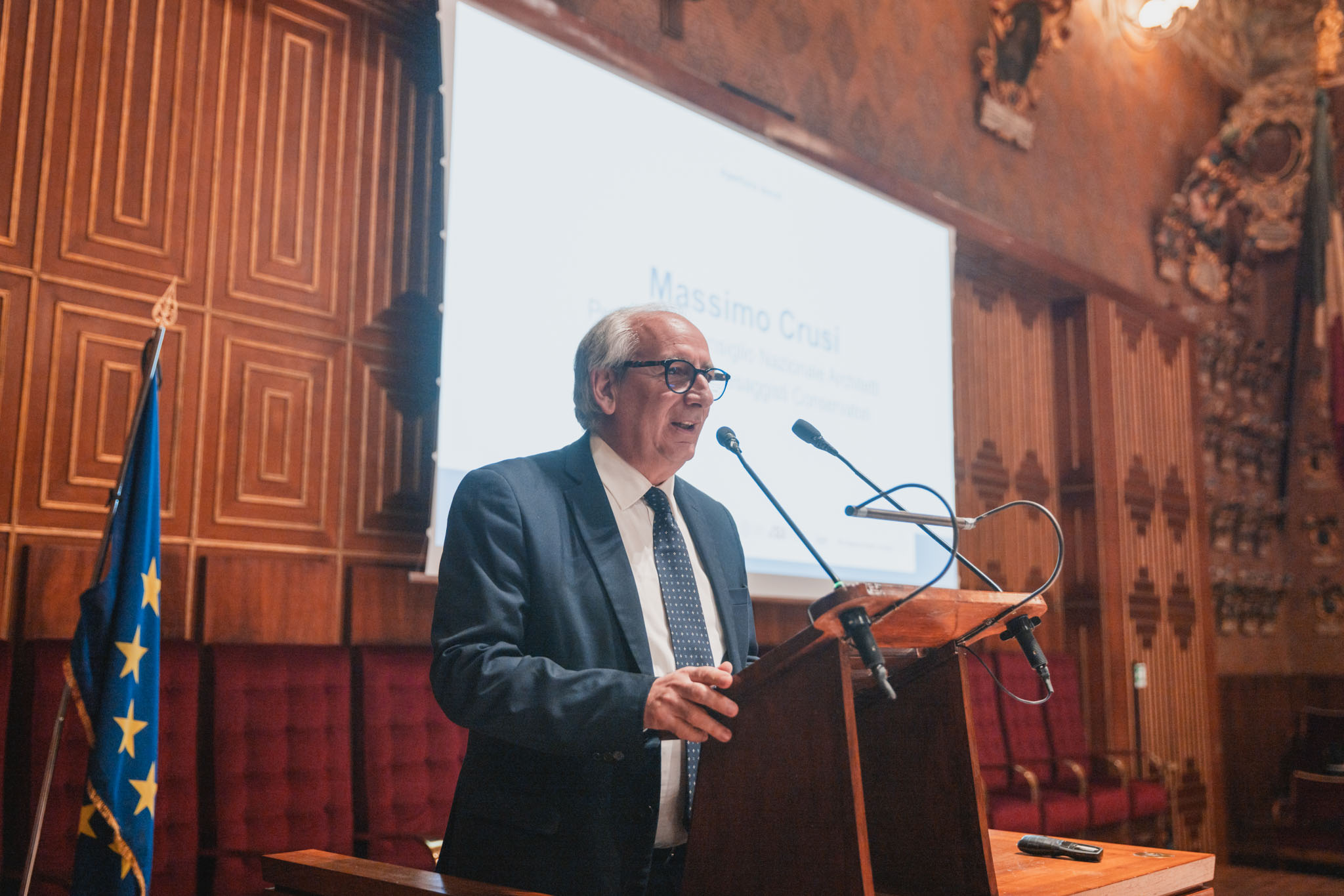
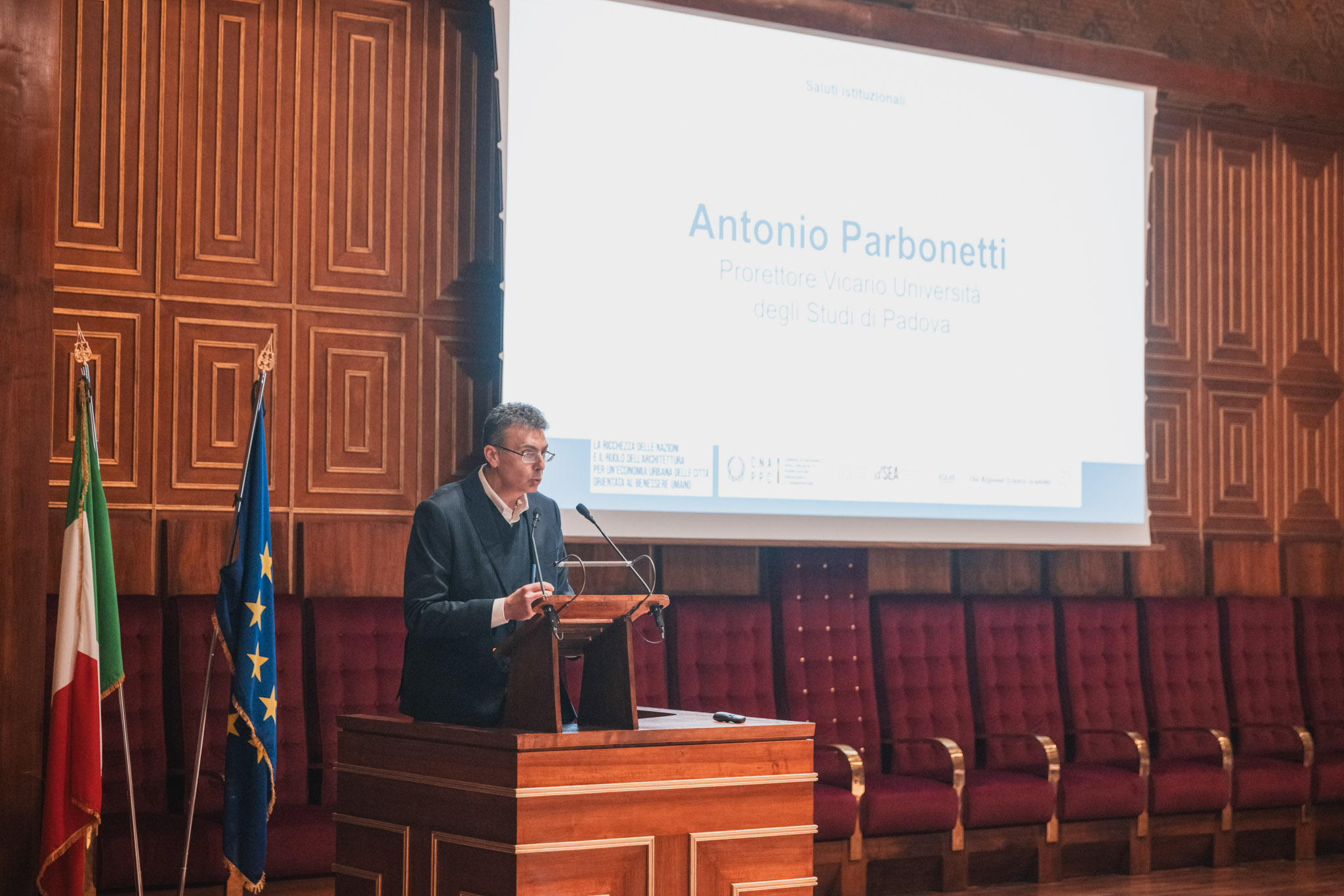
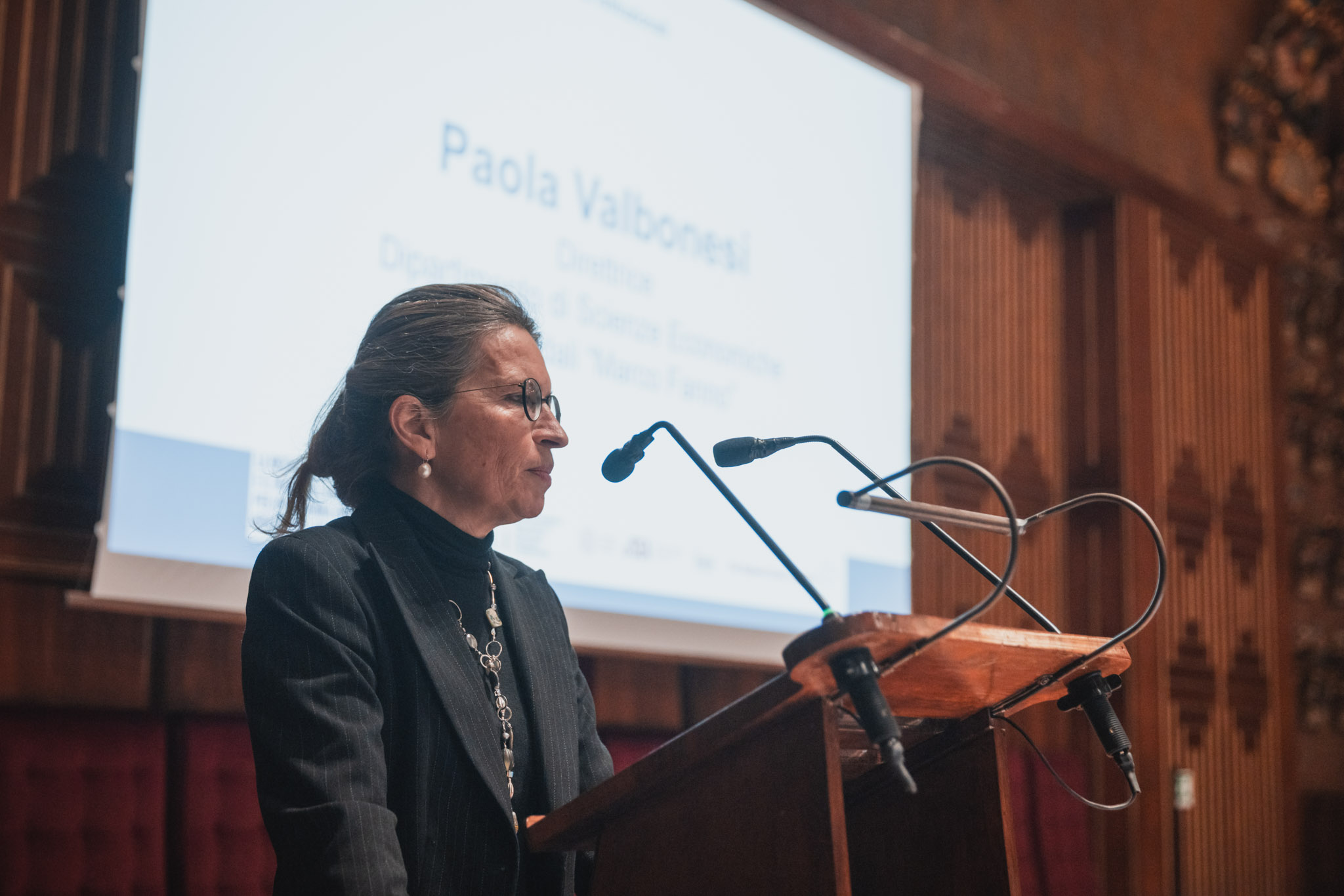
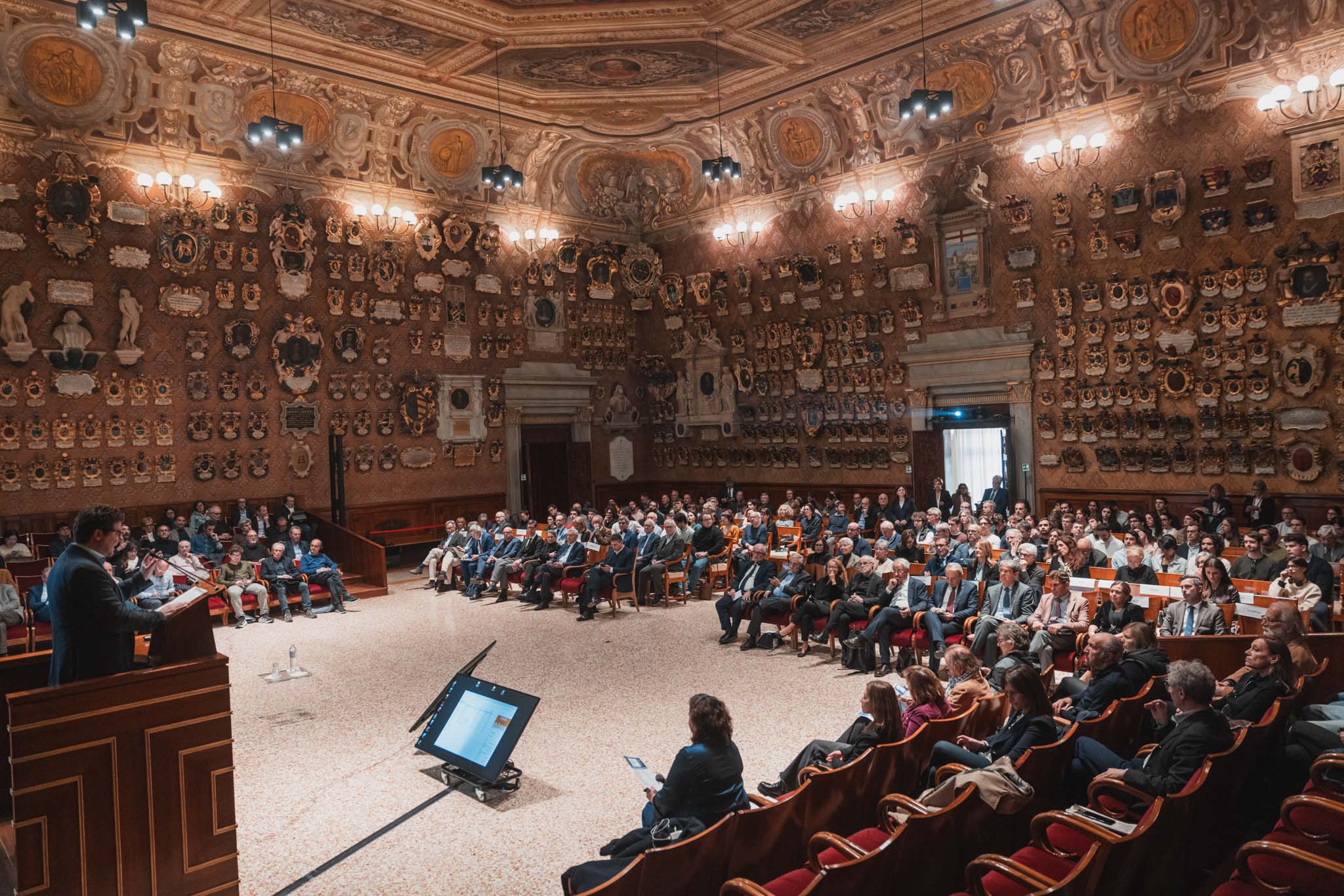
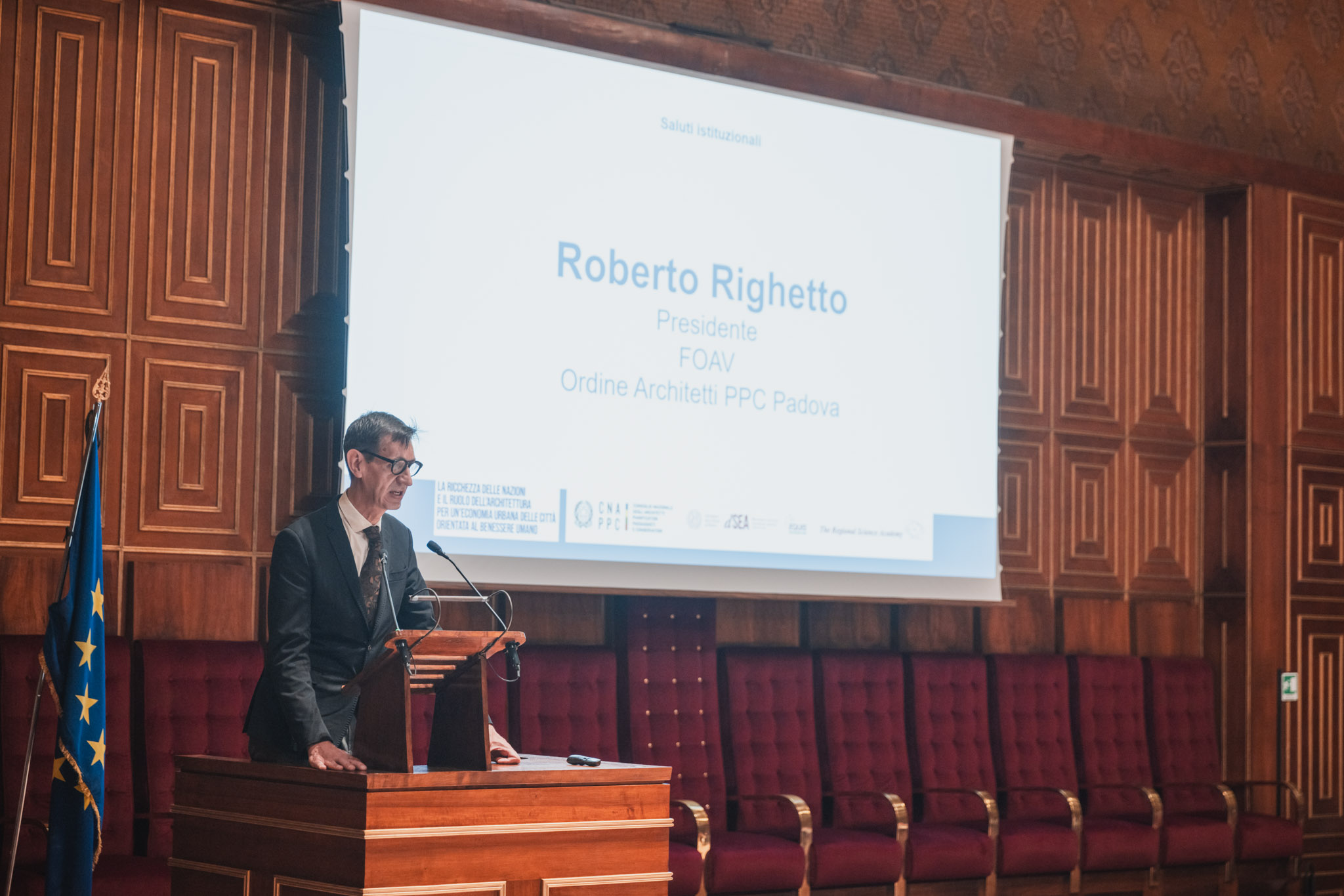
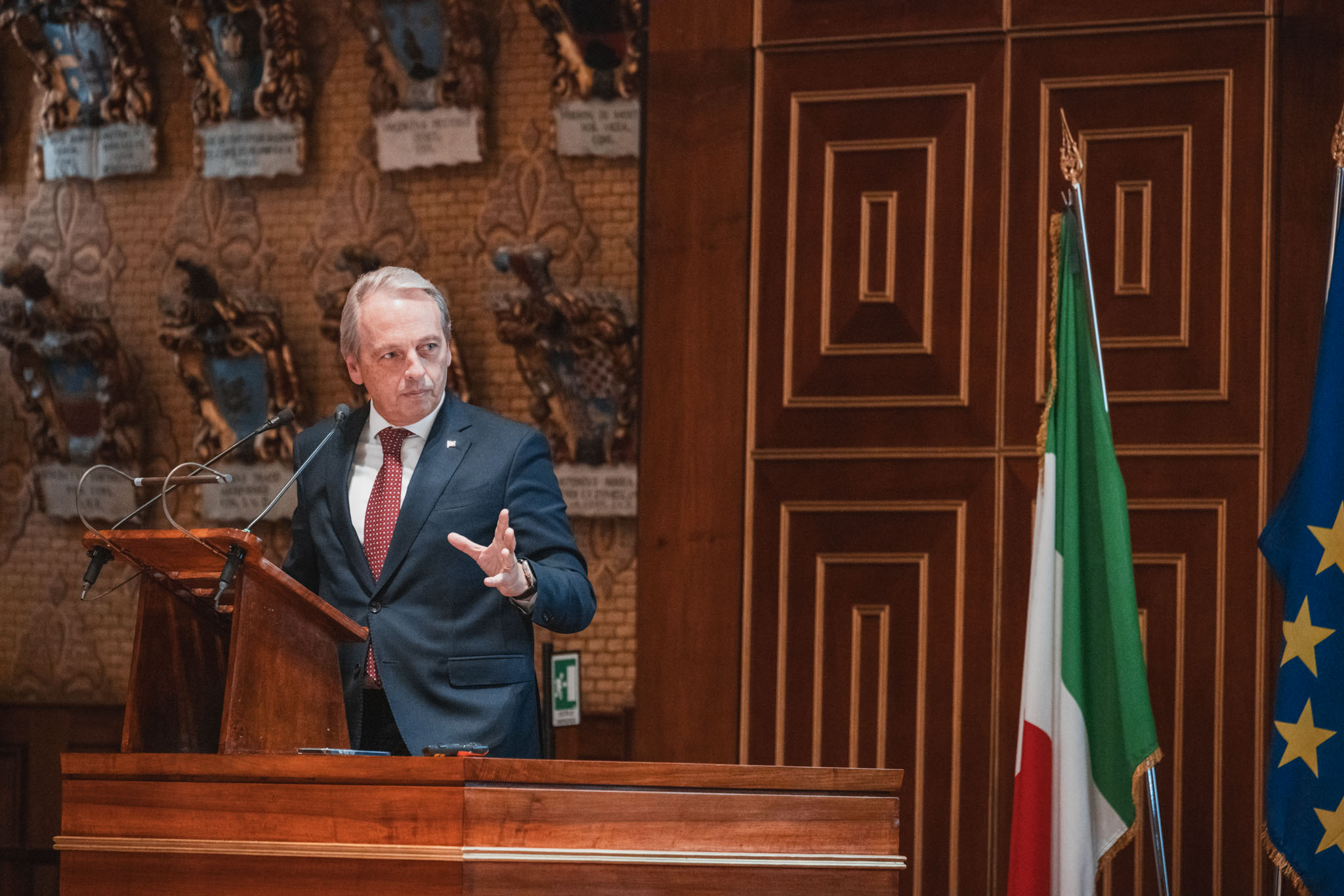
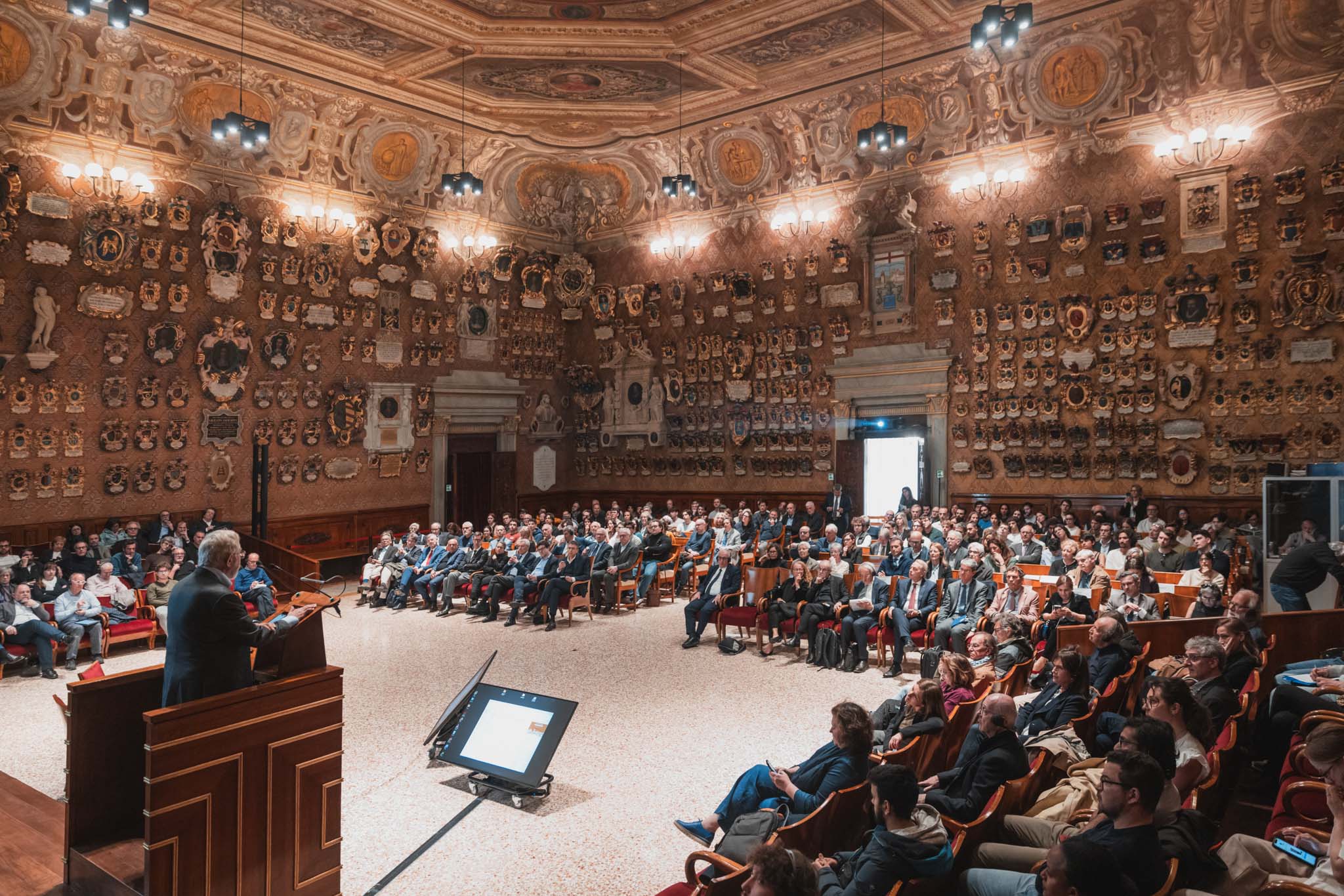
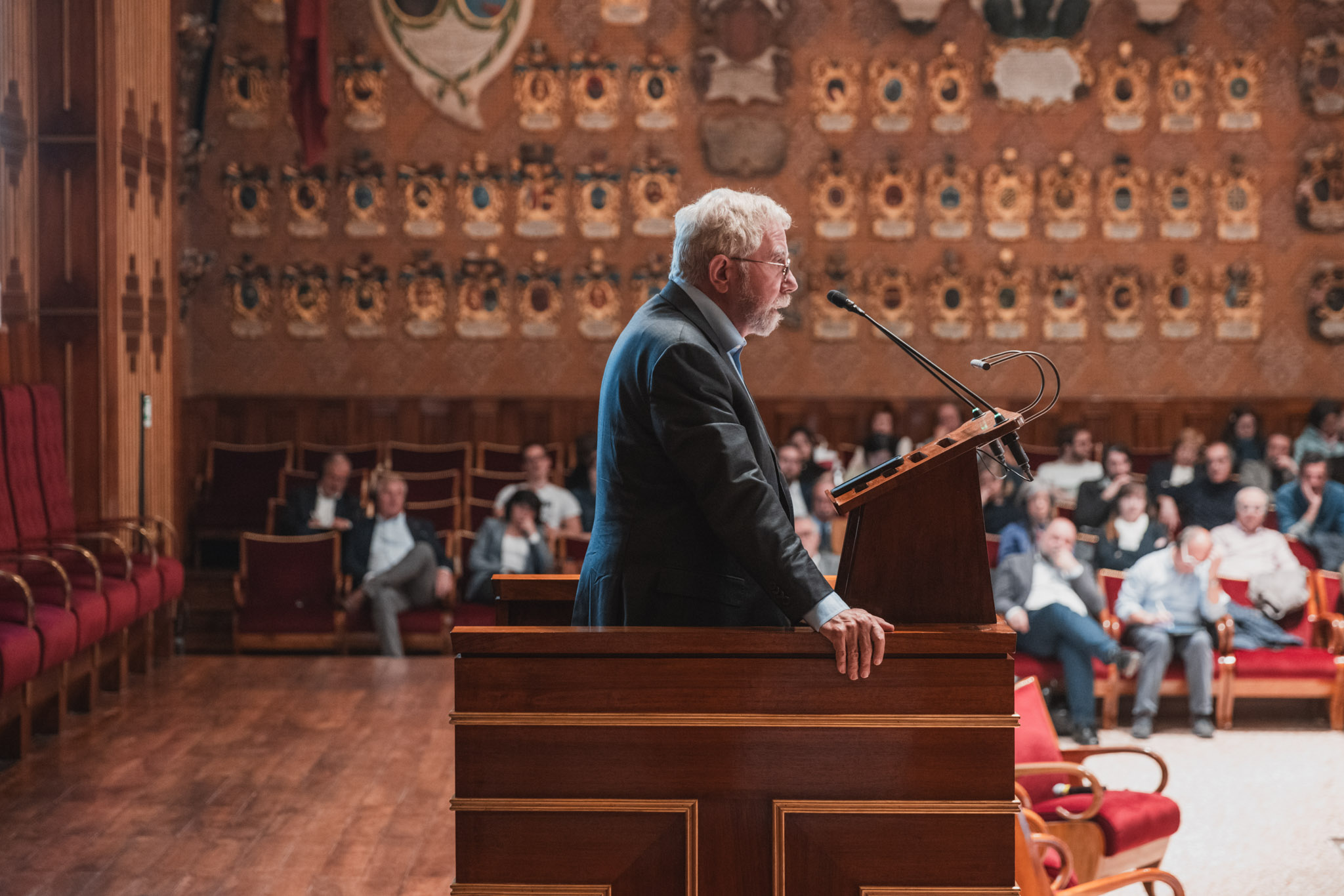
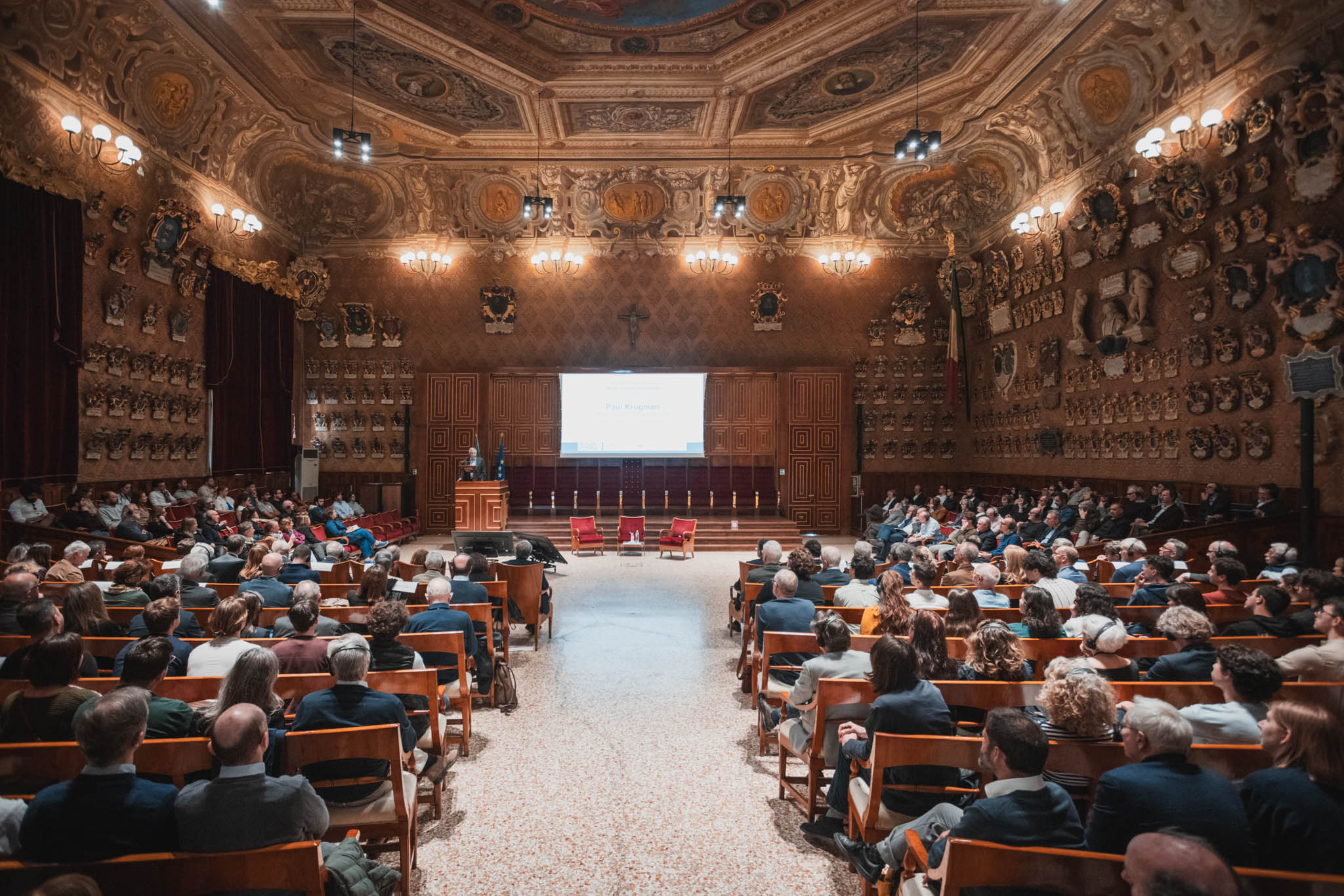
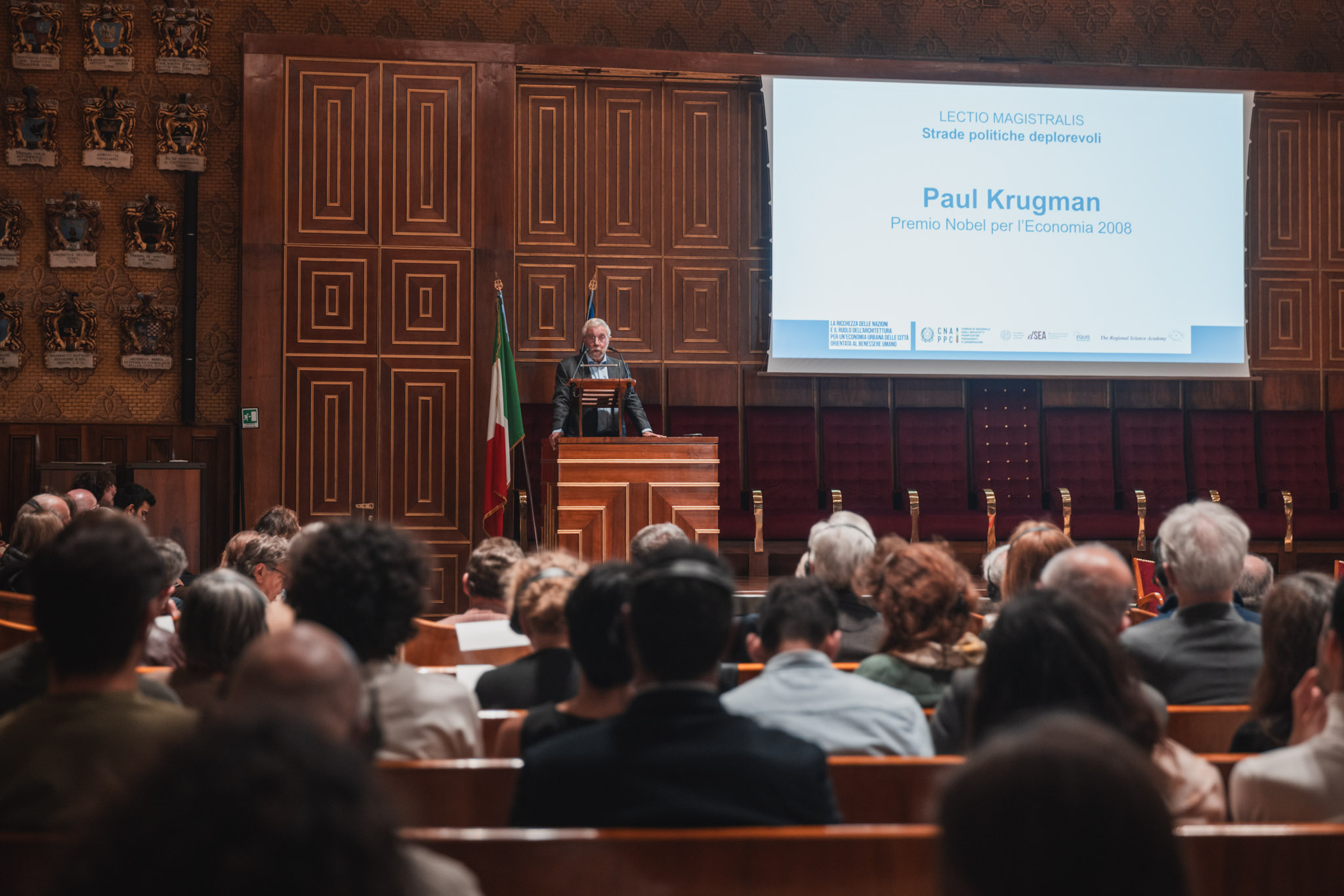
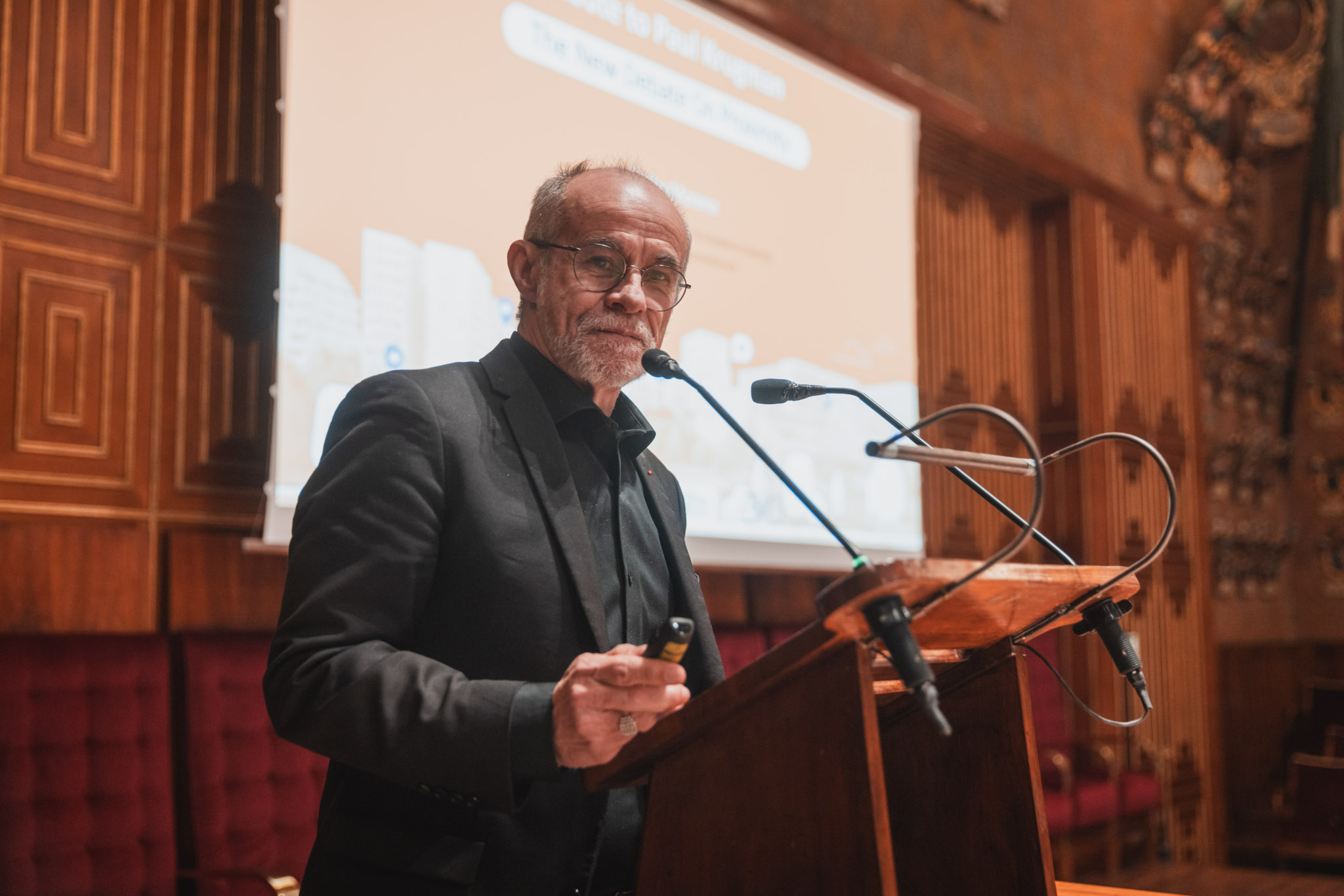
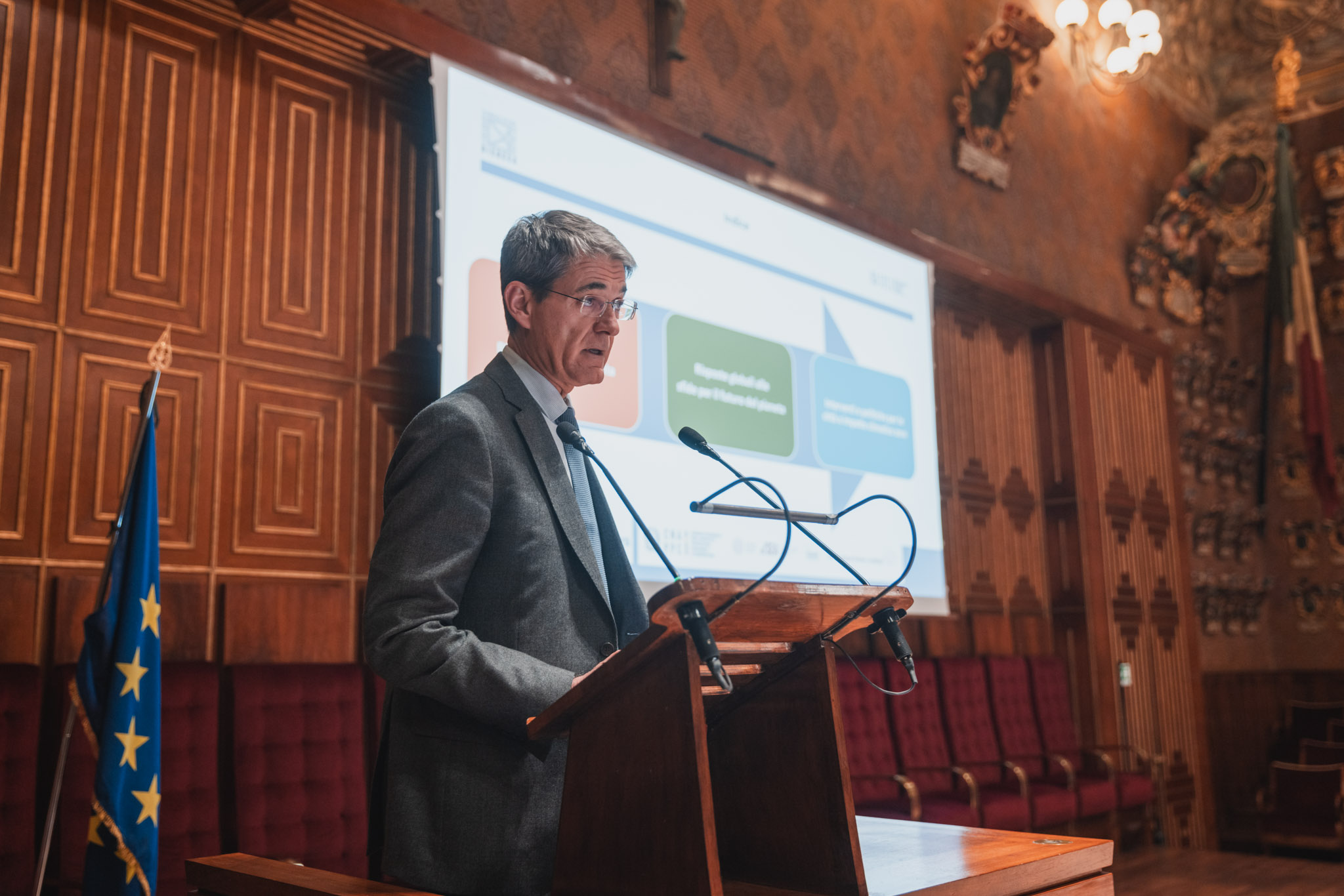
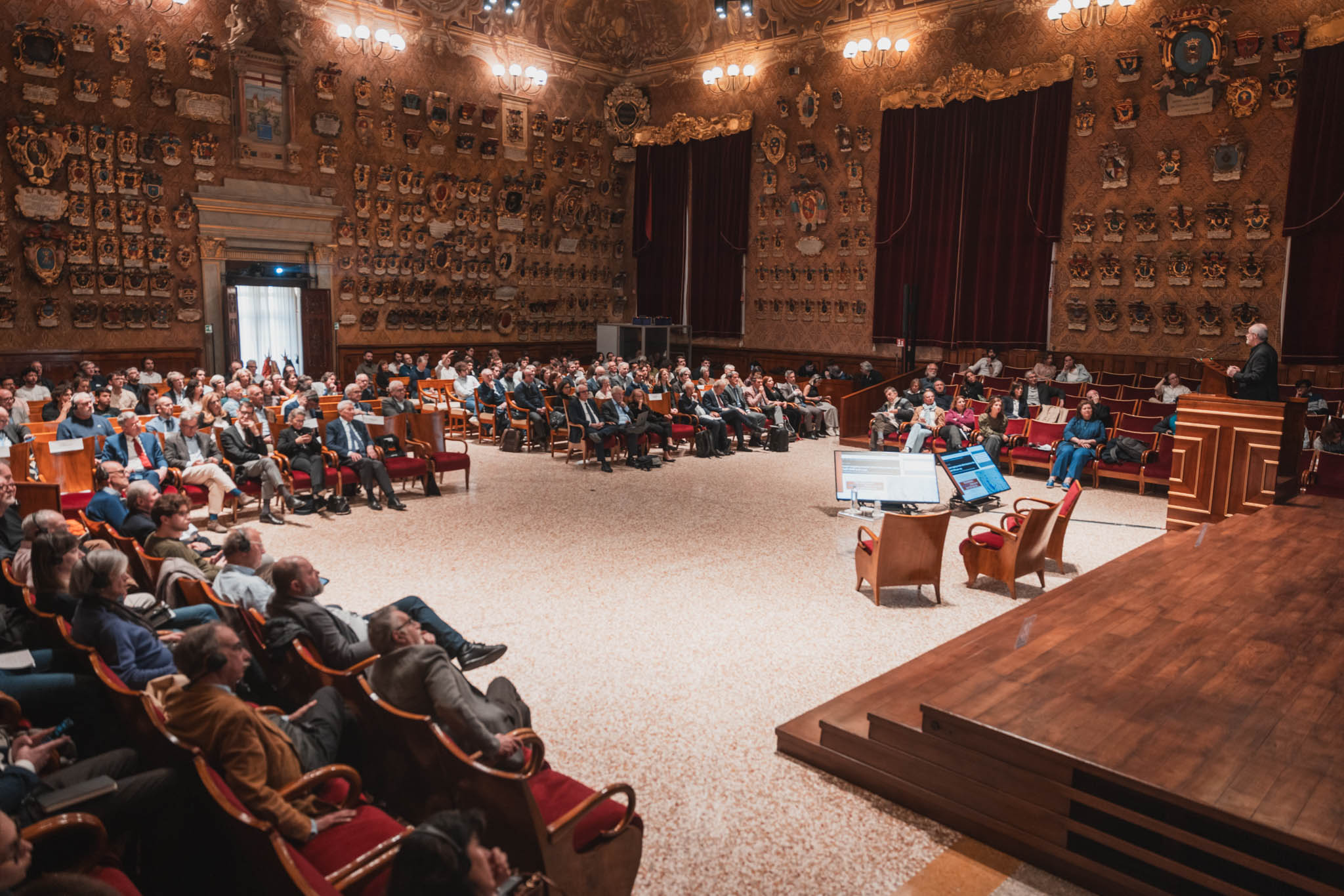
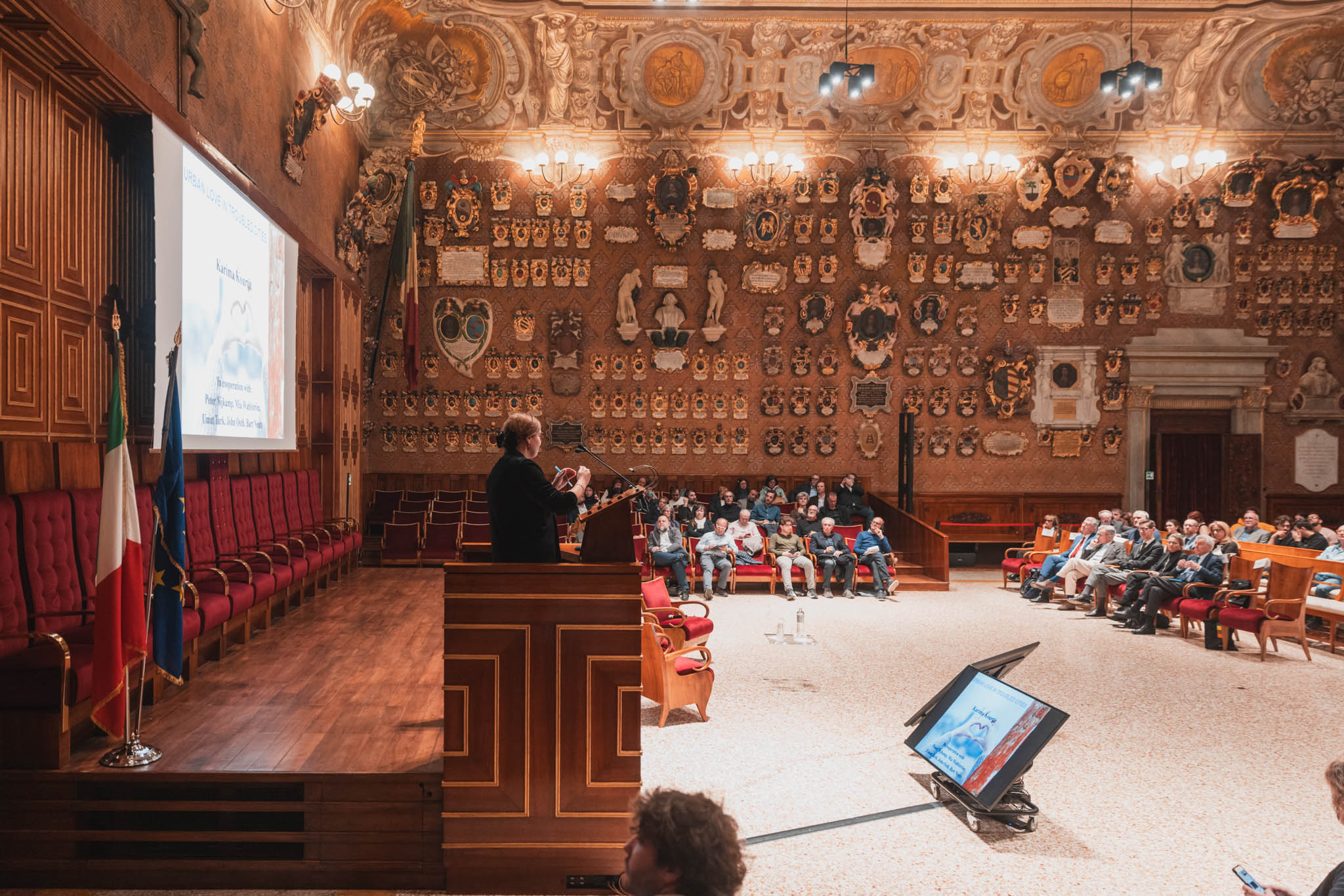
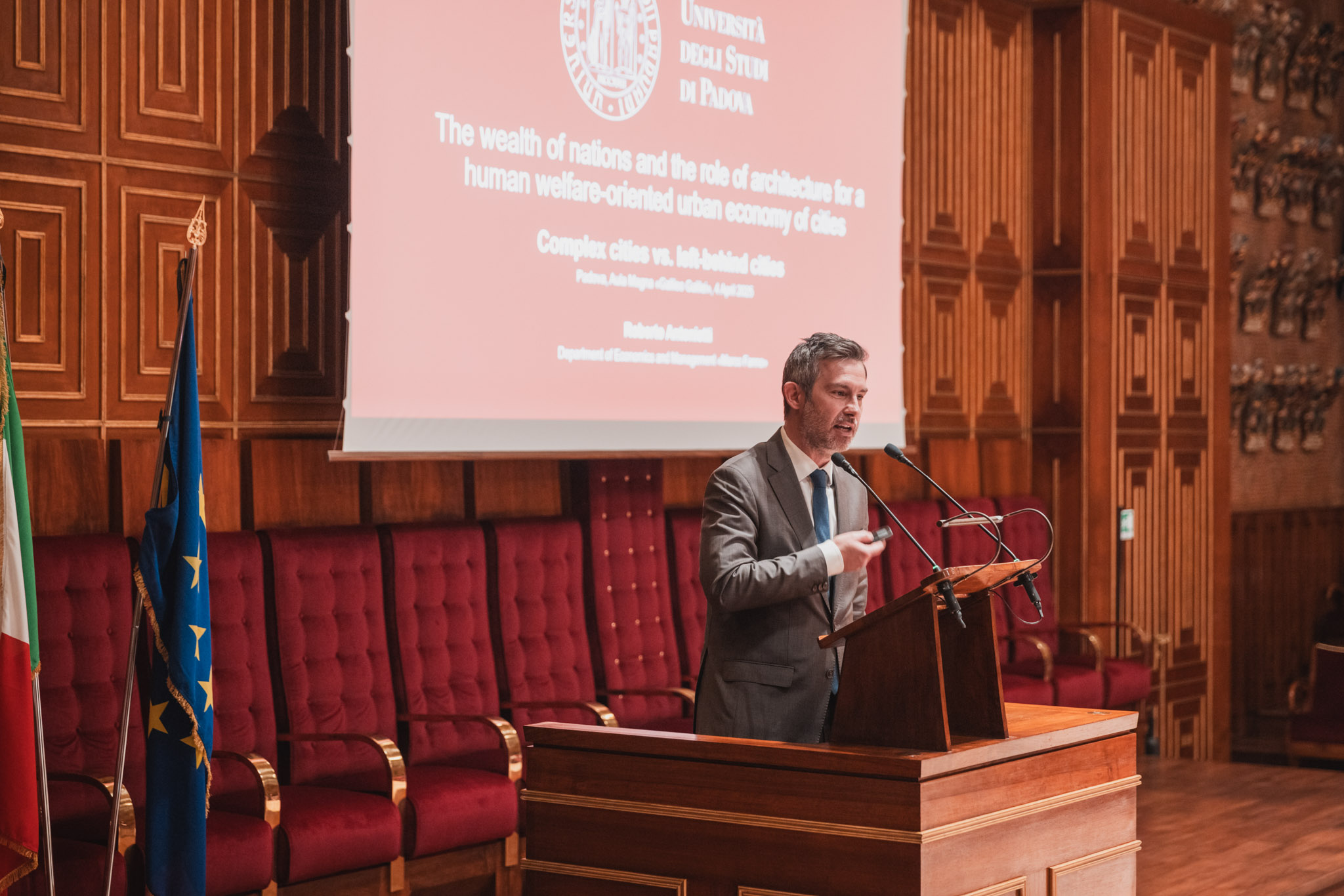
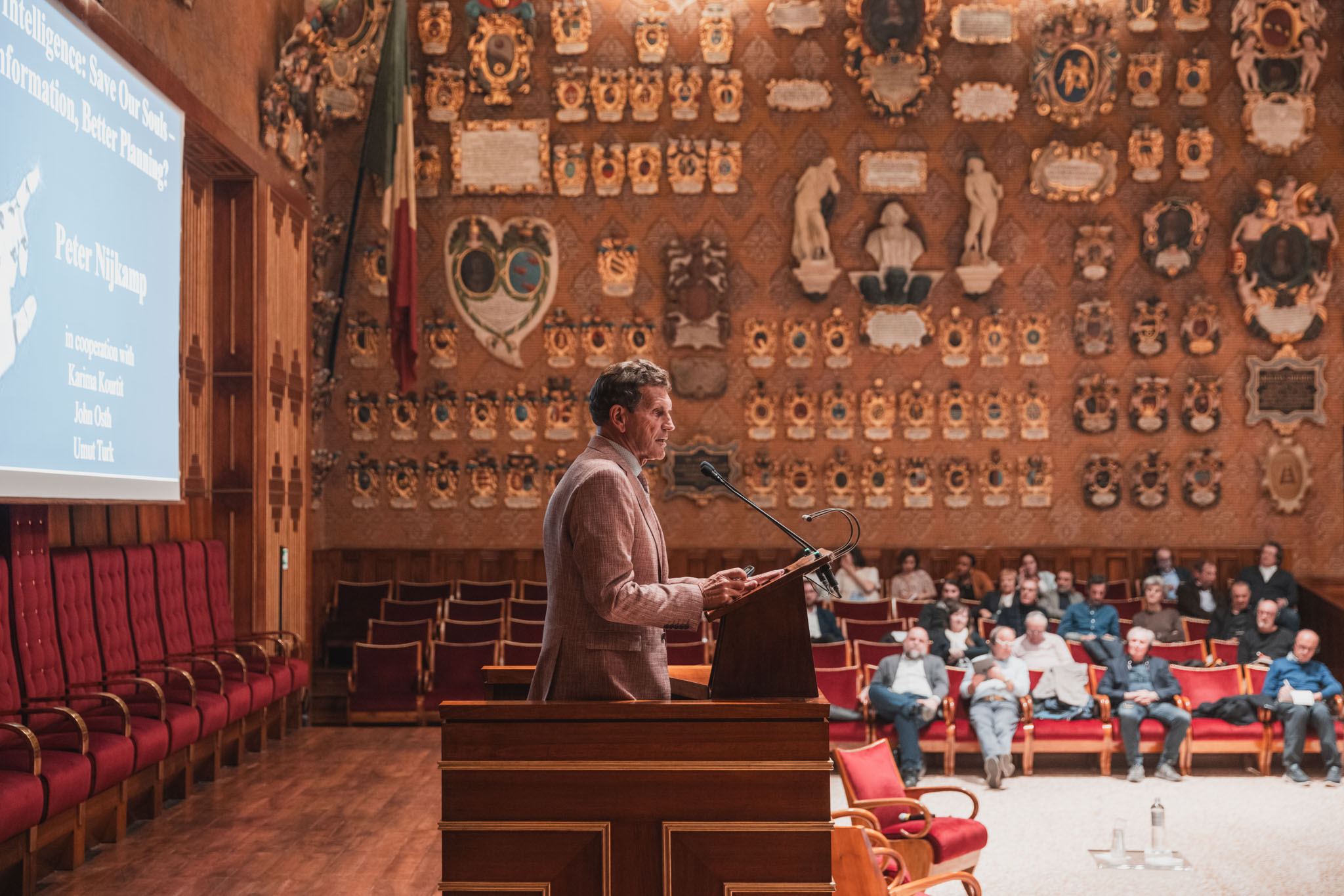
Nobel Laureate in Economics Paul Krugman delivered a lecture at the University of Padua on April 4th, entitled “Deplorable Policy Paths”, focusing on the political and territorial malfunctions that impact urban development. The event was part of “The Wealth of Nations and the Role of Architecture” international seminar, organized by the National Council of Architects (CNAPPC). The seminar brought together policymakers, economists, architects, and urban planners to discuss how cities can foster human well-being. The discussion focused on a new urban model grounded in sustainability, equity, and the centrality of the individual. Experts participated in two main sessions addressing current issues related to urban life and governance.
The seminar was organized by the CNAPPC together with its Scientific Committee – chaired by Professor Carlos Moreno of the Sorbonne – in collaboration with the Department of Economics and Business Sciences at the University of Padua and the Regional Science Association.
Read more
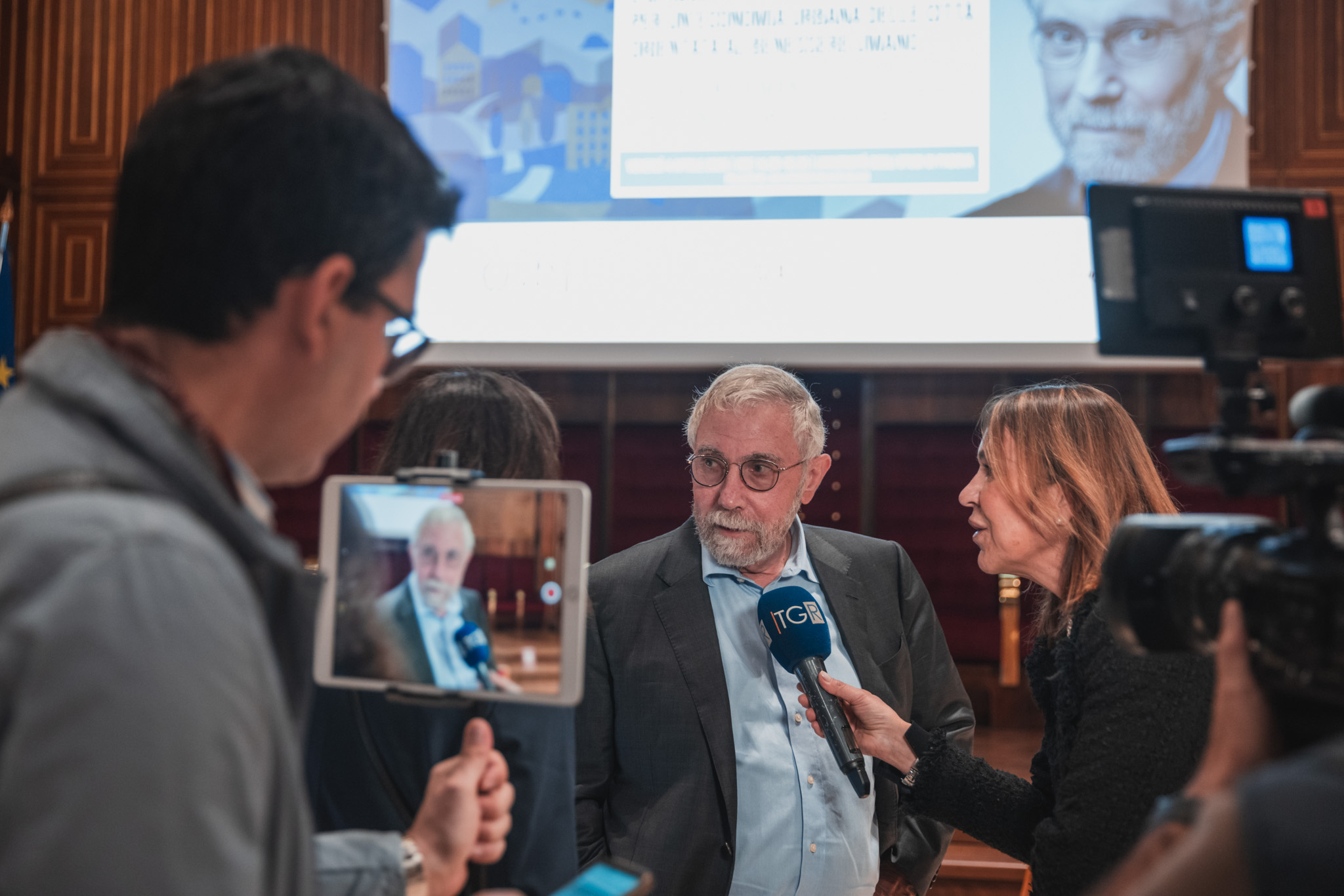
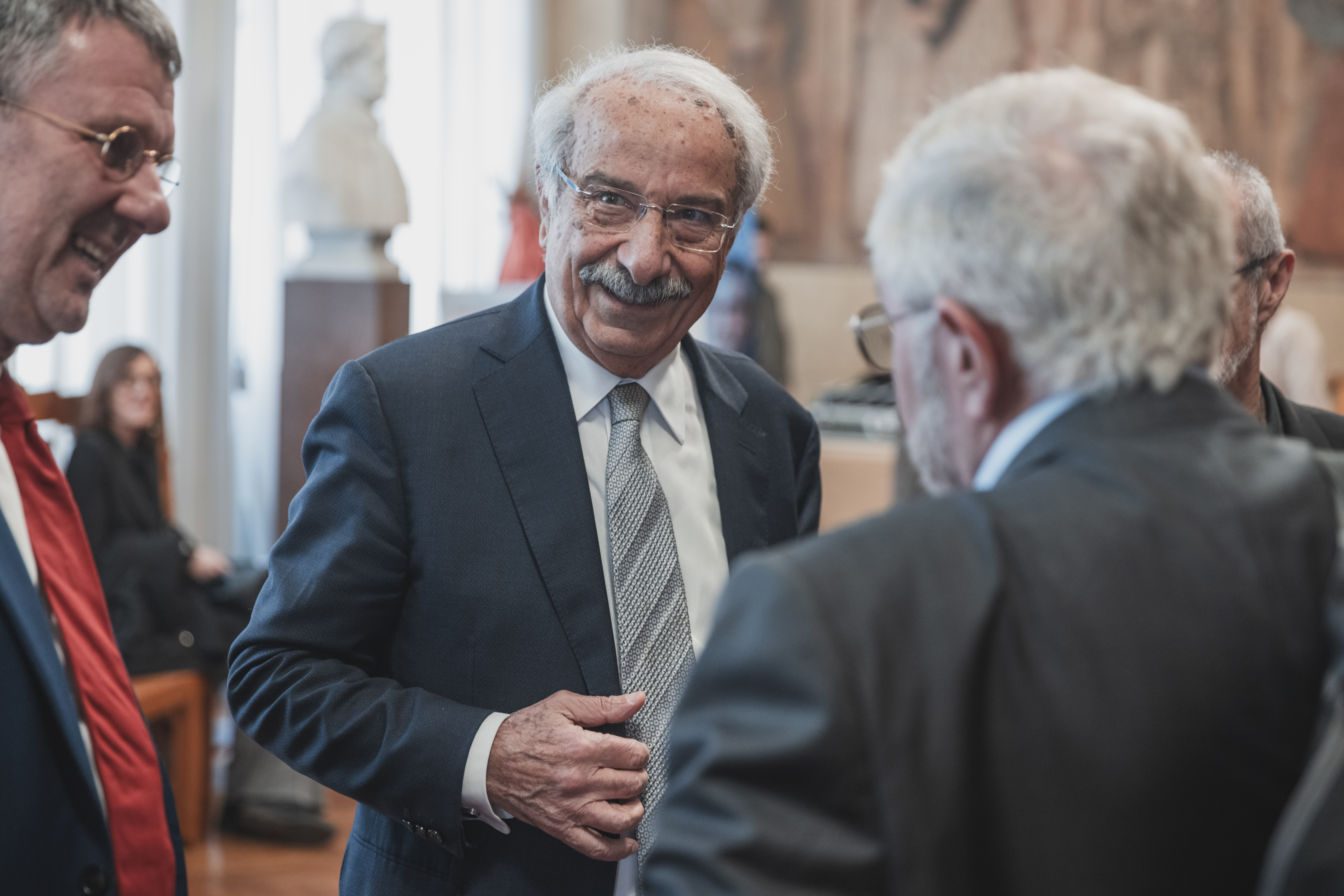
Urban Regeneration Festival
December 5th-6thth, 2024 / Auditorium Parco della Musica / ROMA
Read the program
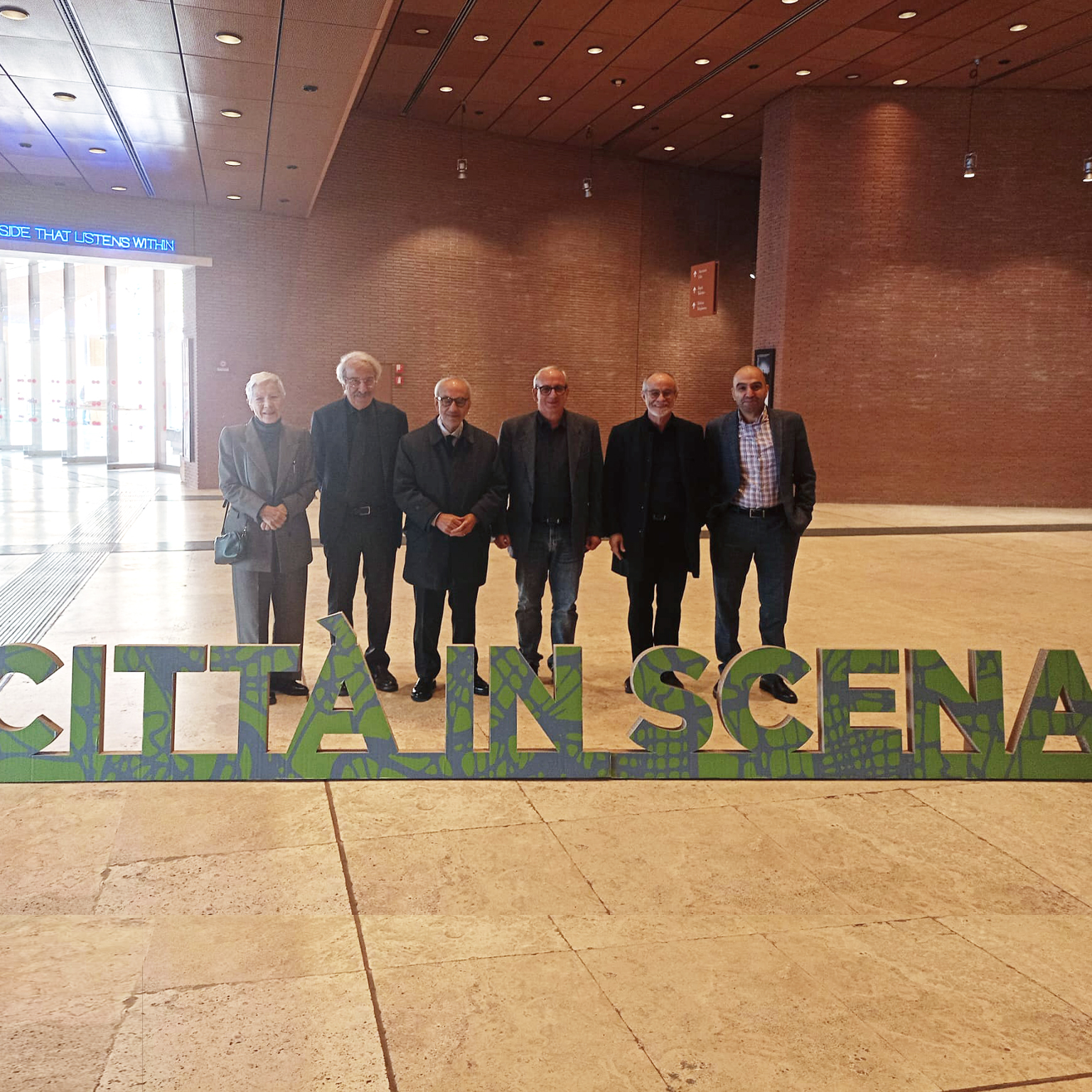
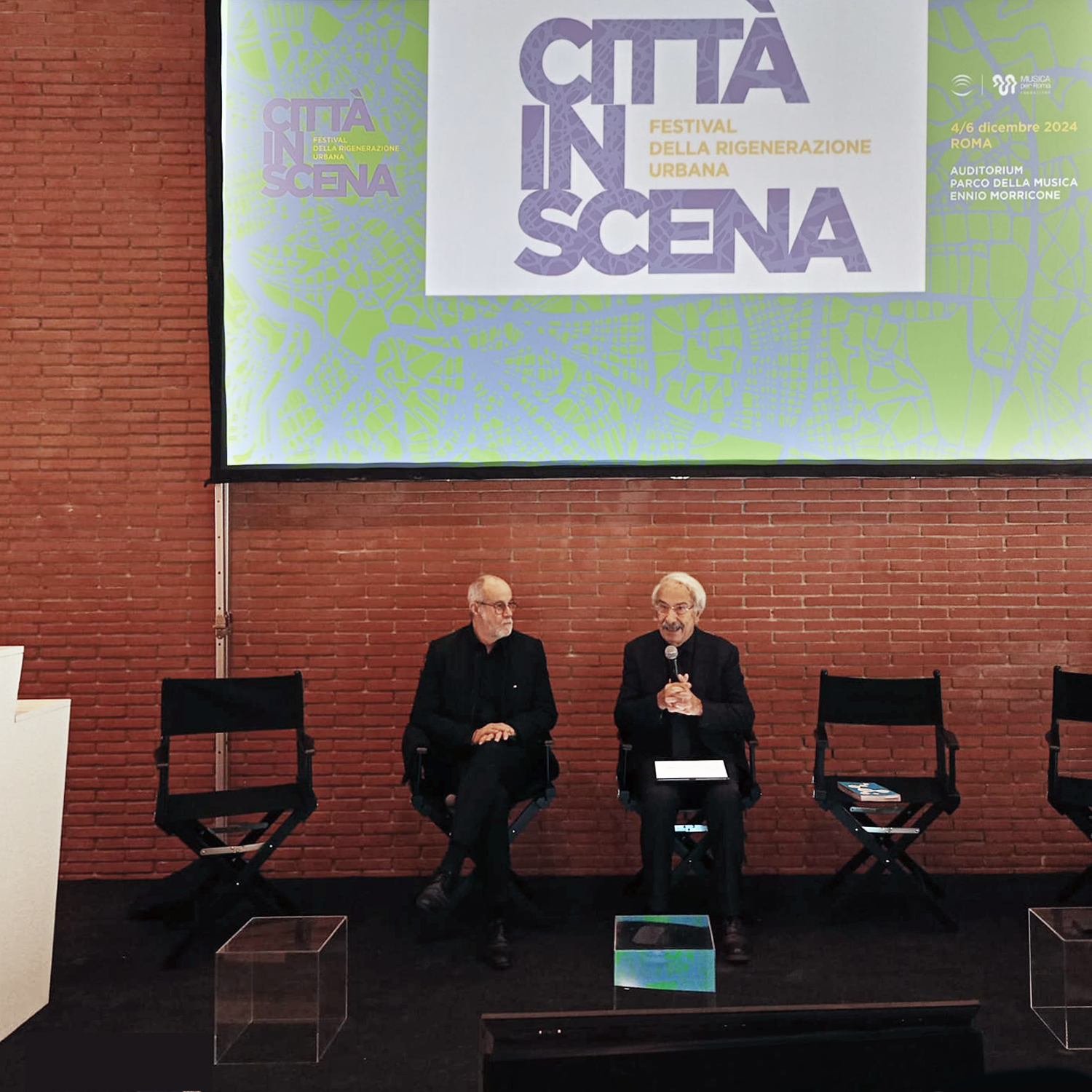
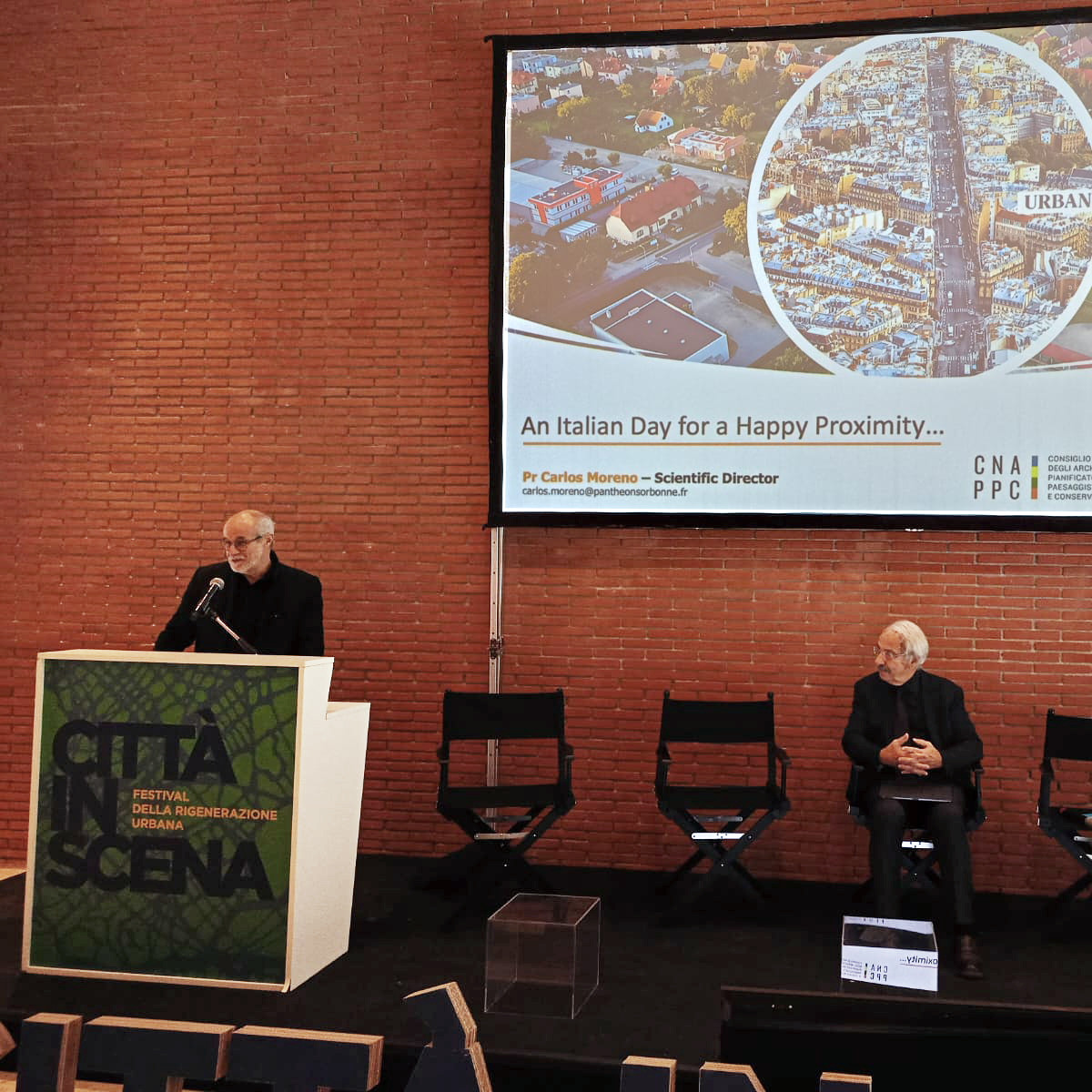
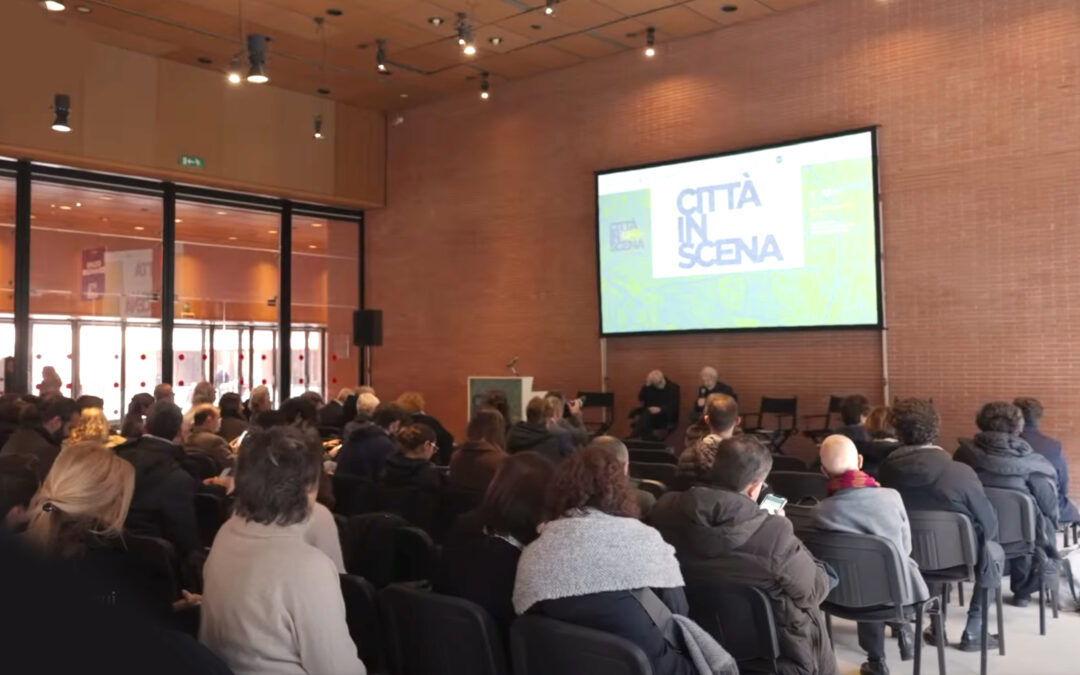
The CNAPPC took part as co-organizer in the second edition of “Città in scena”, the Urban Regeneration Festival held in Rome from December 4th to 6th at the Auditorium Parco della Musica. The CNAPPC was particularly active on December 5th and 6th, during the thematic roundtables focused on the future of cities. On December 6th, the “New City | The 15-Minute City” roundtable took place, during which the CNAPPC presented its publication entitled “The Future of Urban and Territorial Planning.” The event featured contributions from Carlos Moreno – Scientific Director of the publication and of CNAPPC’s International Scientific Committee – and Giuseppe Cappochin. The publication stems from an ongoing work and offers a substantial re-examination of the future challenges for cities, addressing them not only from an urbanistic and architectural perspective, but also from social, economic, ecological, and cultural standpoints.
The COVID-19 pandemic further intensified the debate on the future of cities, making the concept of Urban Proximity even more central as a response to the socio-economic and spatial vulnerabilities exposed during the health crisis. The book analyses the unsustainability of the current urban development model and calls for a shared reflection among institutions, professionals, and citizens on the collective responsibility to design in order to regenerate. It proposes operational models inspired by circular cities and the intelligent use of resources.